In 1976 and 1977, Stephen Stewart spent two shearing seasons at Toganmain as a young woolclassing student — rousabouting, wool rolling and getting into no shortage of trouble in his time off. He’s stayed in touch with the place ever since, and recently shared his memories with us, along with a set of photos and mementos from those two years.
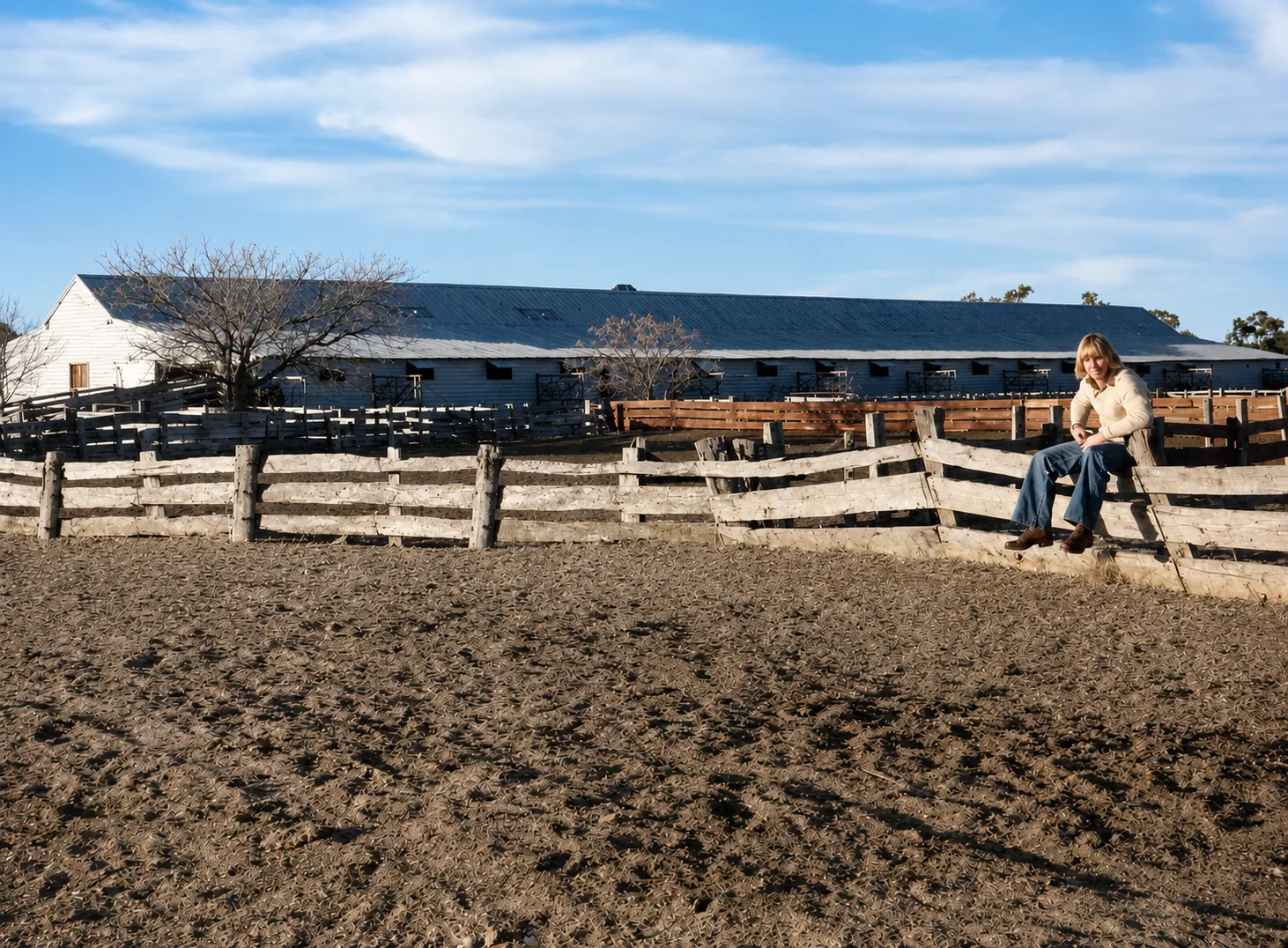
My link to Toganmain woolshed began with doing a Woolclassing course at The Gordon Institute of Technology in Geelong from 1975-77. During the second year of the course we were required to go out to shearing sheds for work experience. Bryce and Royden Barnett from Geelong were shearing contractors which the Woolschool used to help us gain work experience. I was one of many students that worked at Toganmain in 1976. We had 2nd and 3rd year students, Stephen Stewart (myself), Don McGregor, Ross (Freddy Fox) Grimmer, Micheal Morwood, Ken Welsh, Matthew Goddard, 3rd year Micheal (Beaky) Howard and John Smyth.
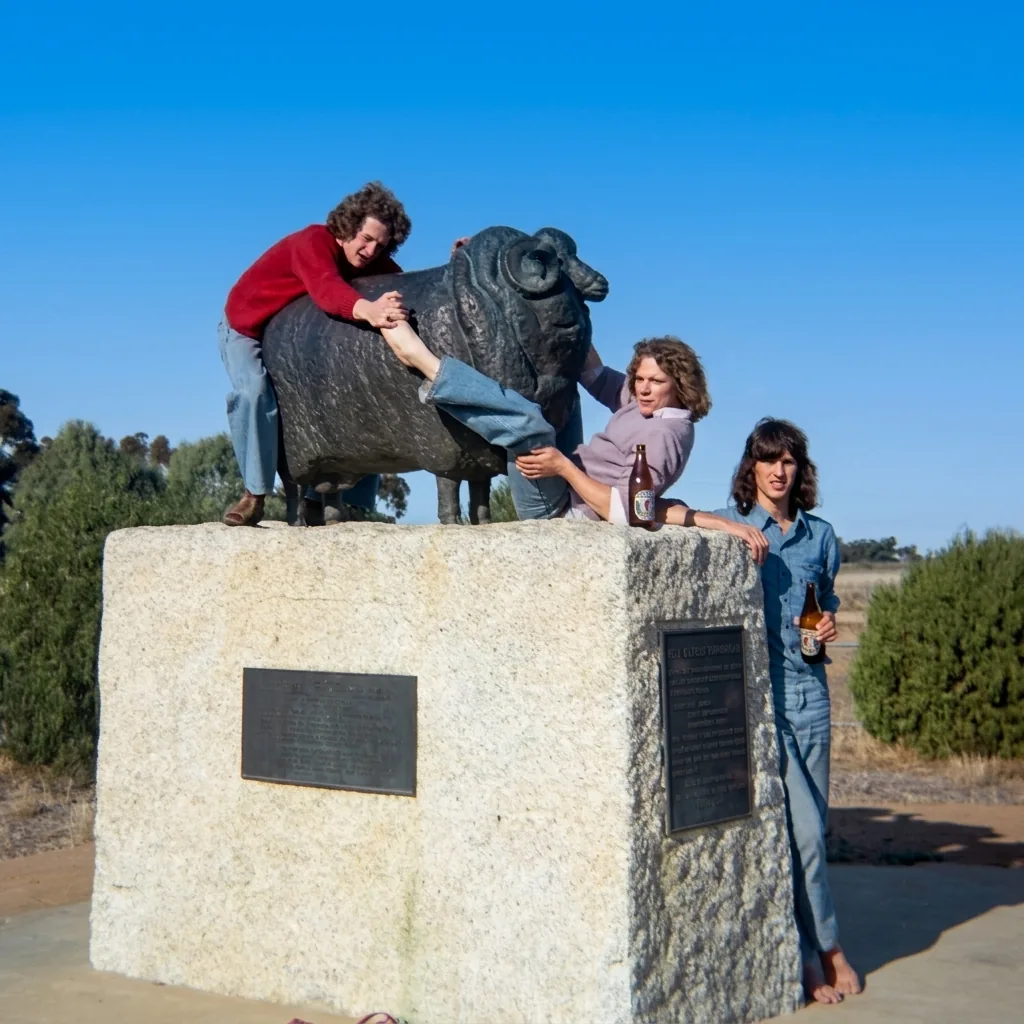
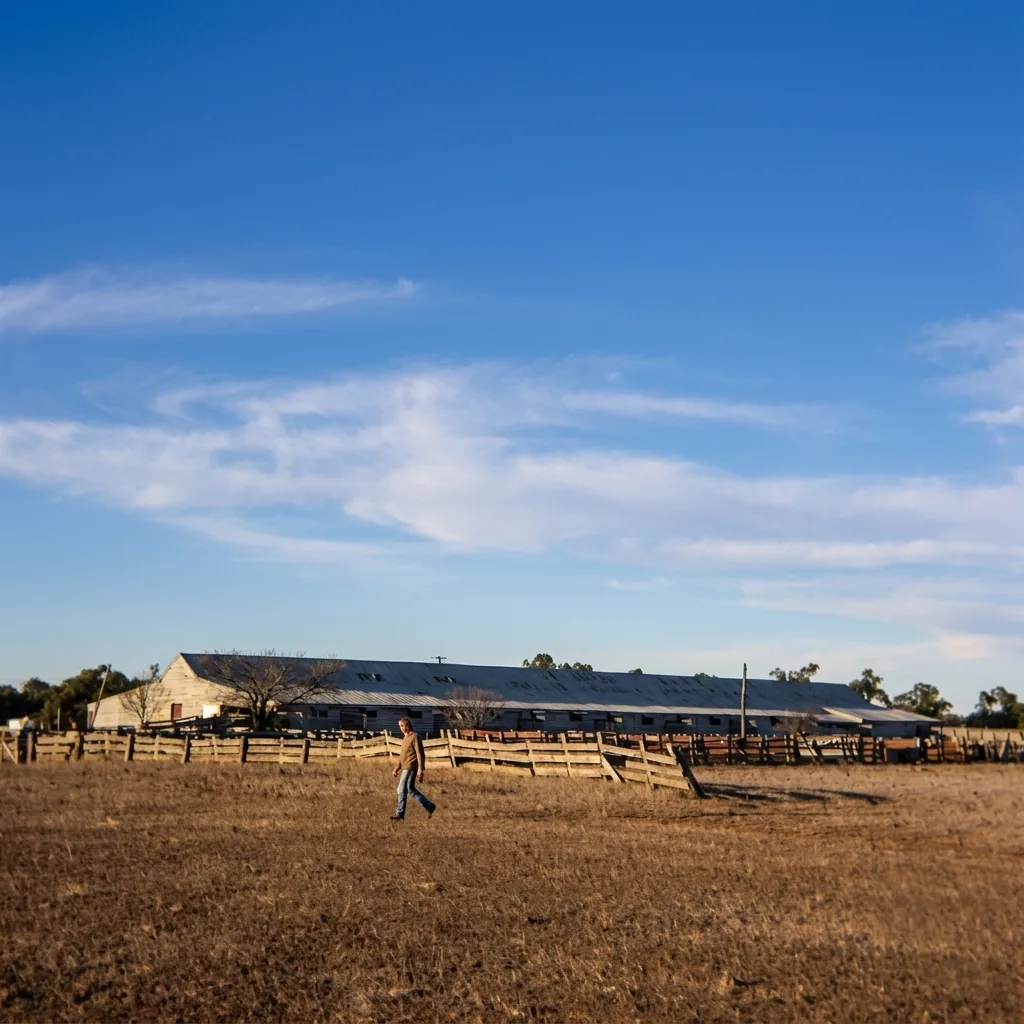
The first thing that struck me was the size of the woolshed, the amount of under cover for the sheep and the history of the shed. Some of us travelled up together from Geelong visiting the Wanganella Ram statue on the way. It was exciting as an 18yr old to see and work in a shed of this size as most of the sheds I had worked in before a 5 stand shed was the biggest.
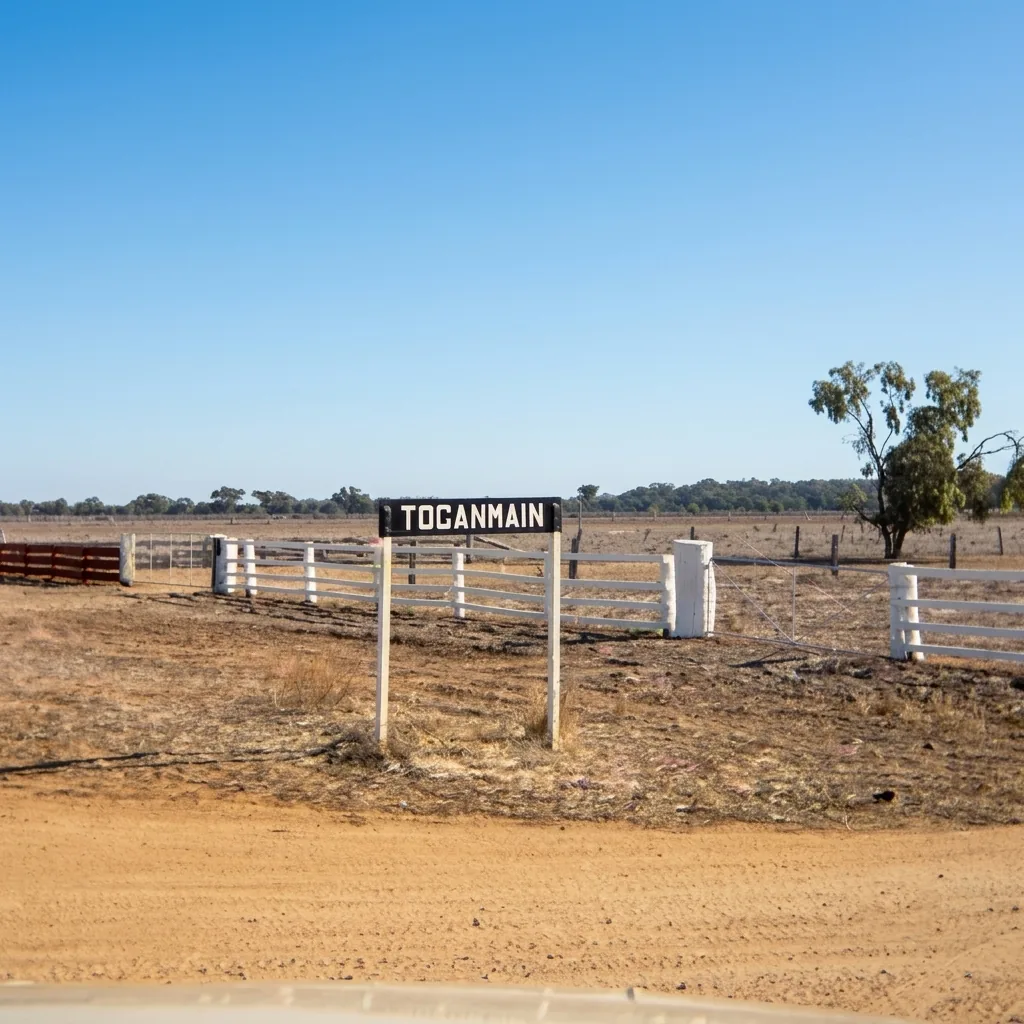
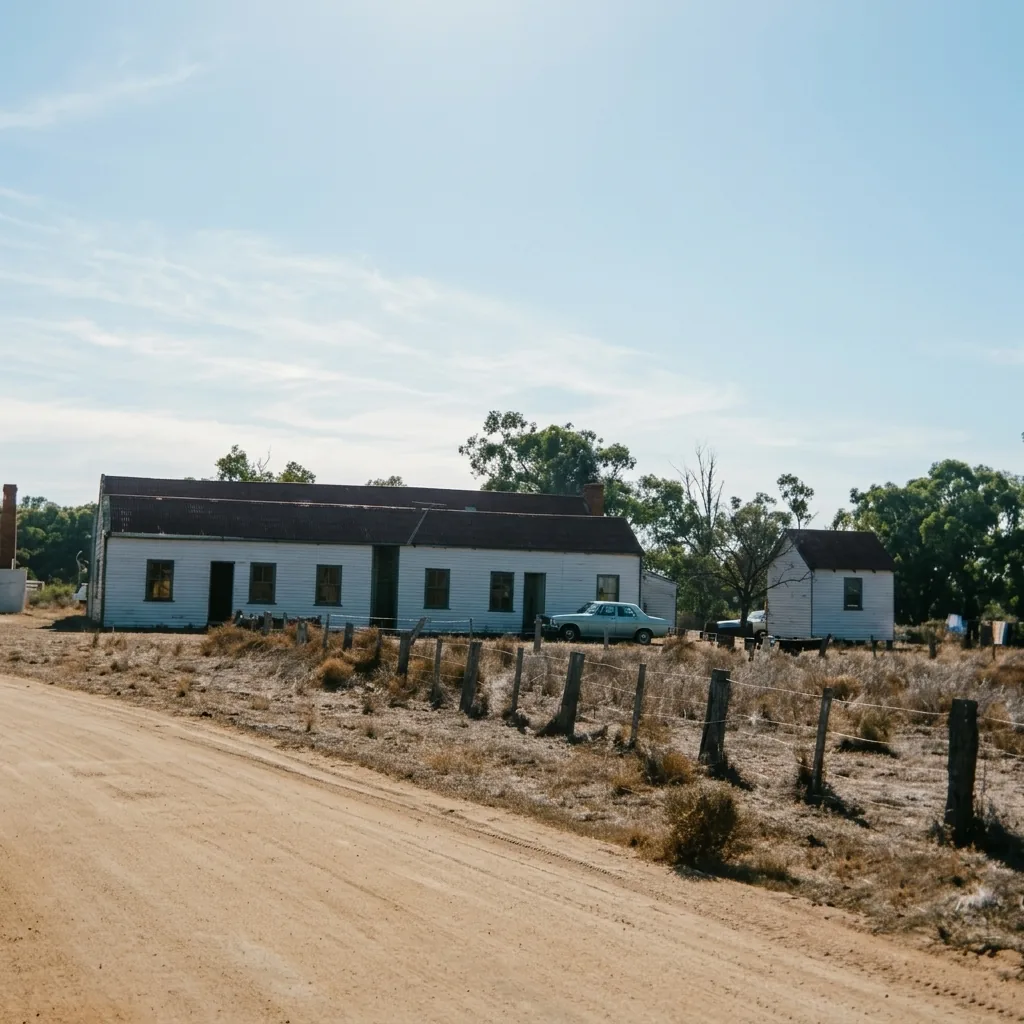
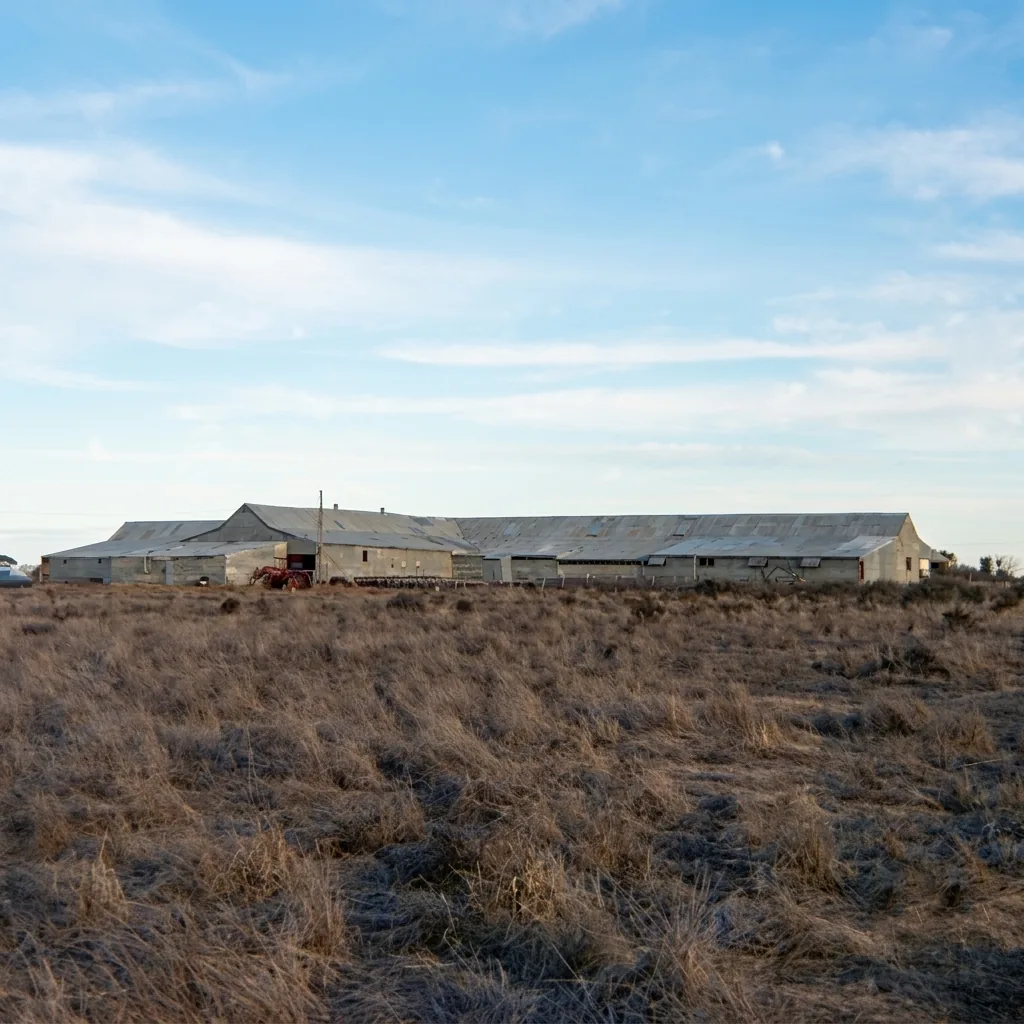
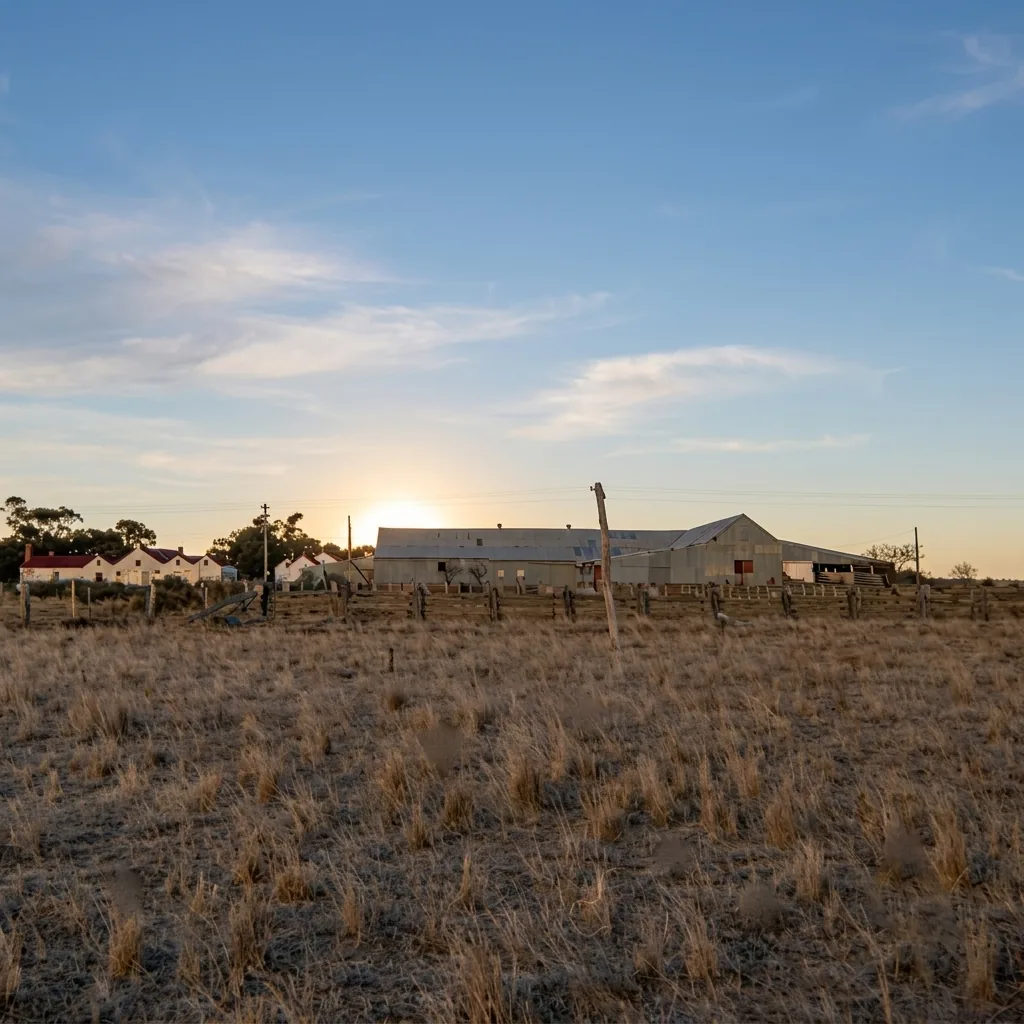
8 photos — click any image to browse full gallery
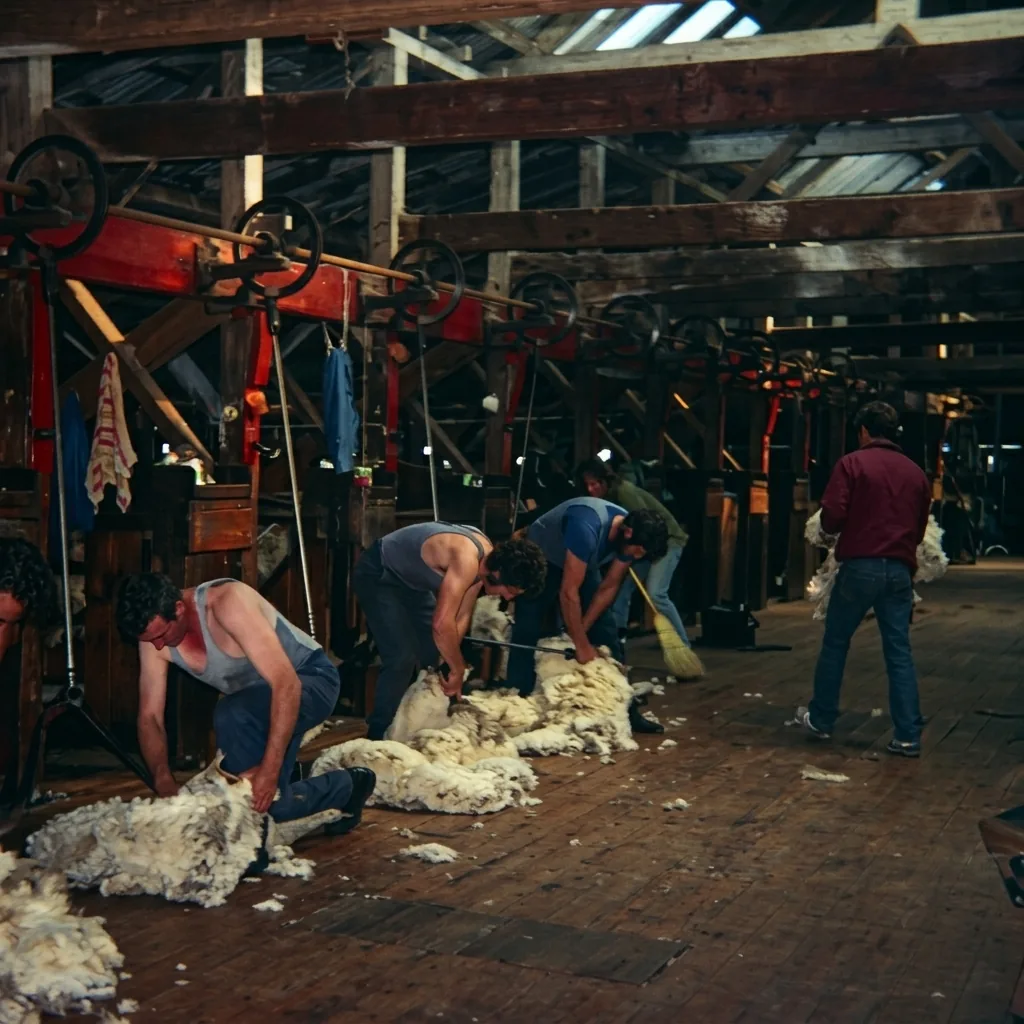
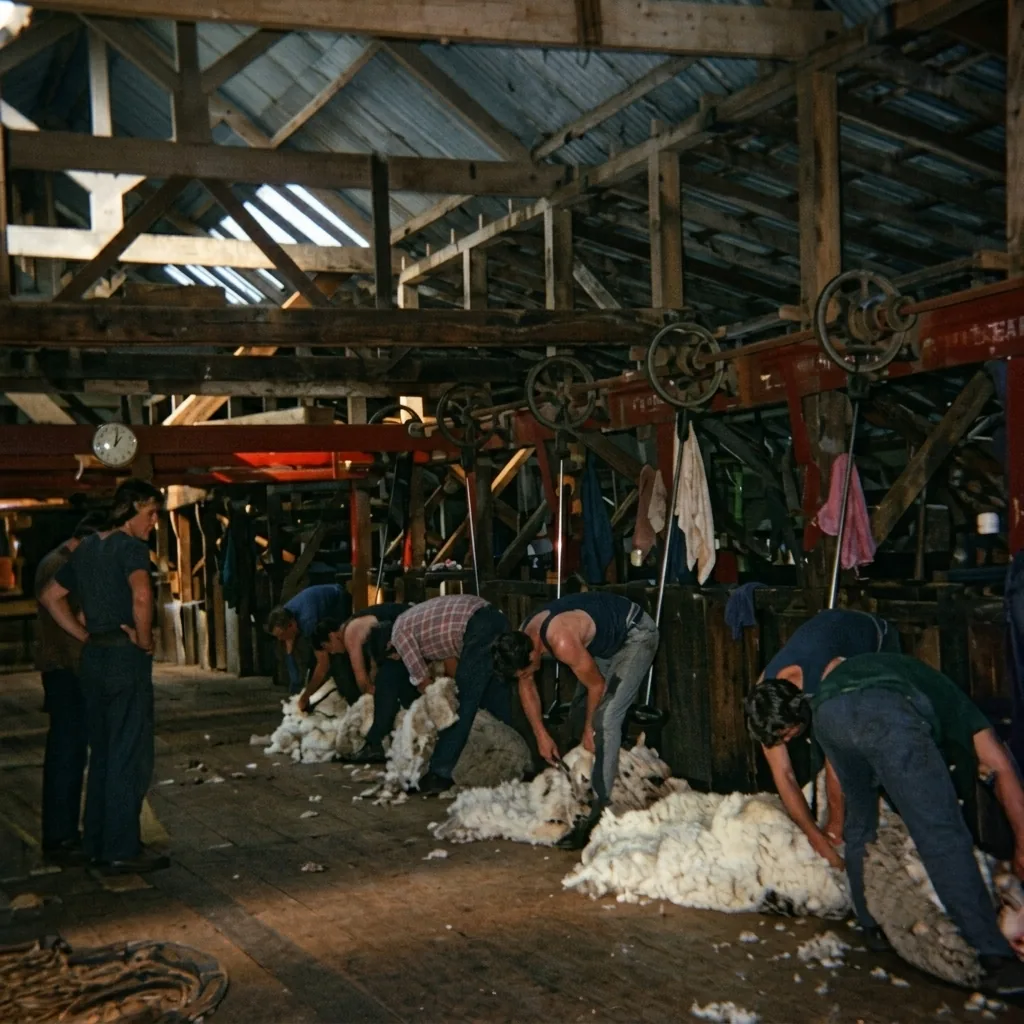
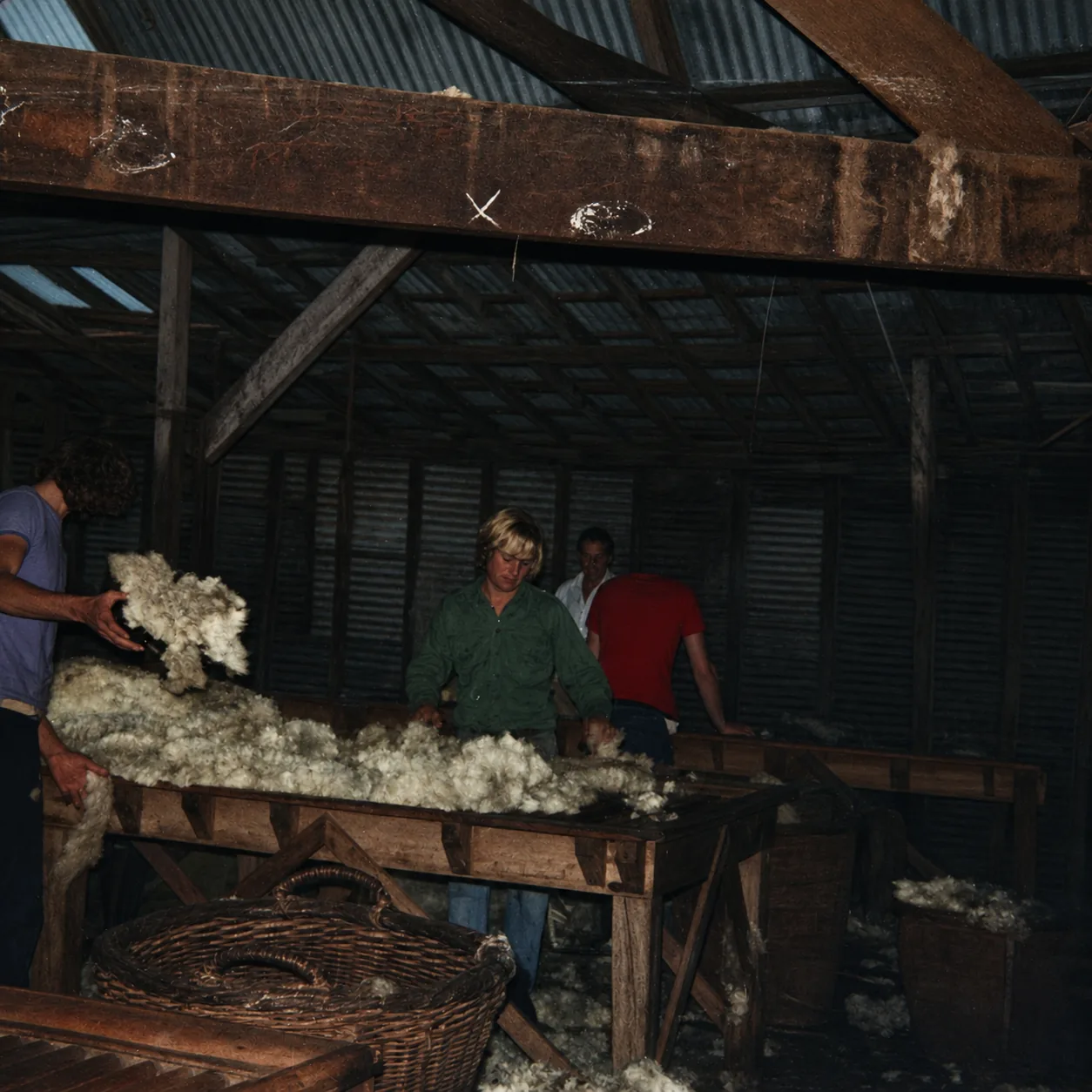
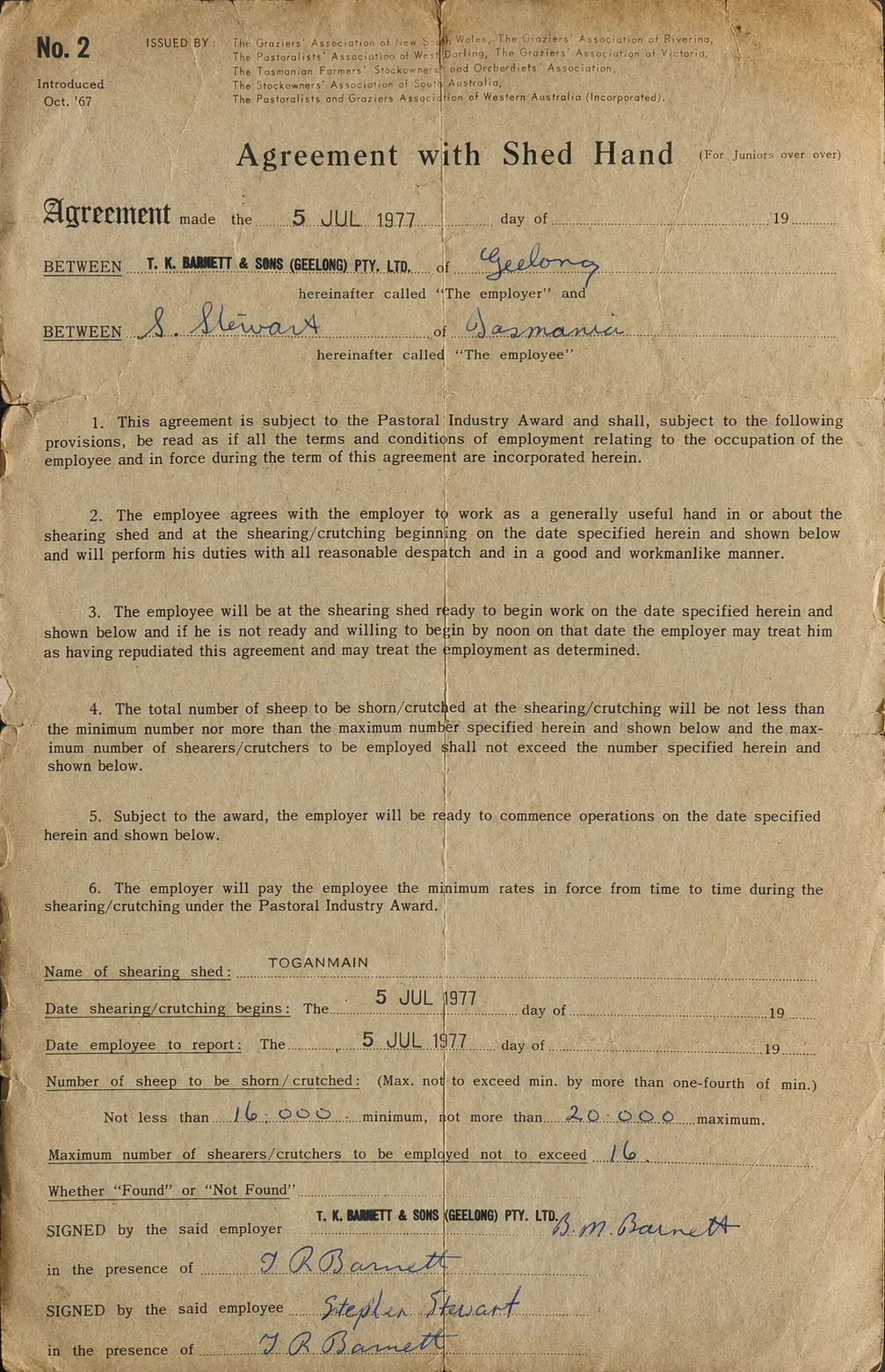
We worked at Rouseabouting on the board to woolrolling/skirting on the wool tables, helping the presser, penning up. There were 12 shearers at the time we were there in 1976 and 77. To see a shearing shed that had in its heyday having 82 Blade shearers and when machines replaced blades in 55 shearers. The work was always flat out with the 12 shearers keeping us busy. In 1976 we were contracted to shear between 19,500 and 24,000 sheep and in 1977 we were contracted to shear between 16,000 and 20,000 sheep. The shearers were shearing between 1800 to 2000 sheep per day.
The property at the time apparently was around 100,000 acres. We started work at 7.30 am and finished at 5.00 pm. We finished half an hour earlier than normal shearing times due to lack of light in the shed as there was no lighting in the shed. In 1976 I was mainly on the wool rolling table.
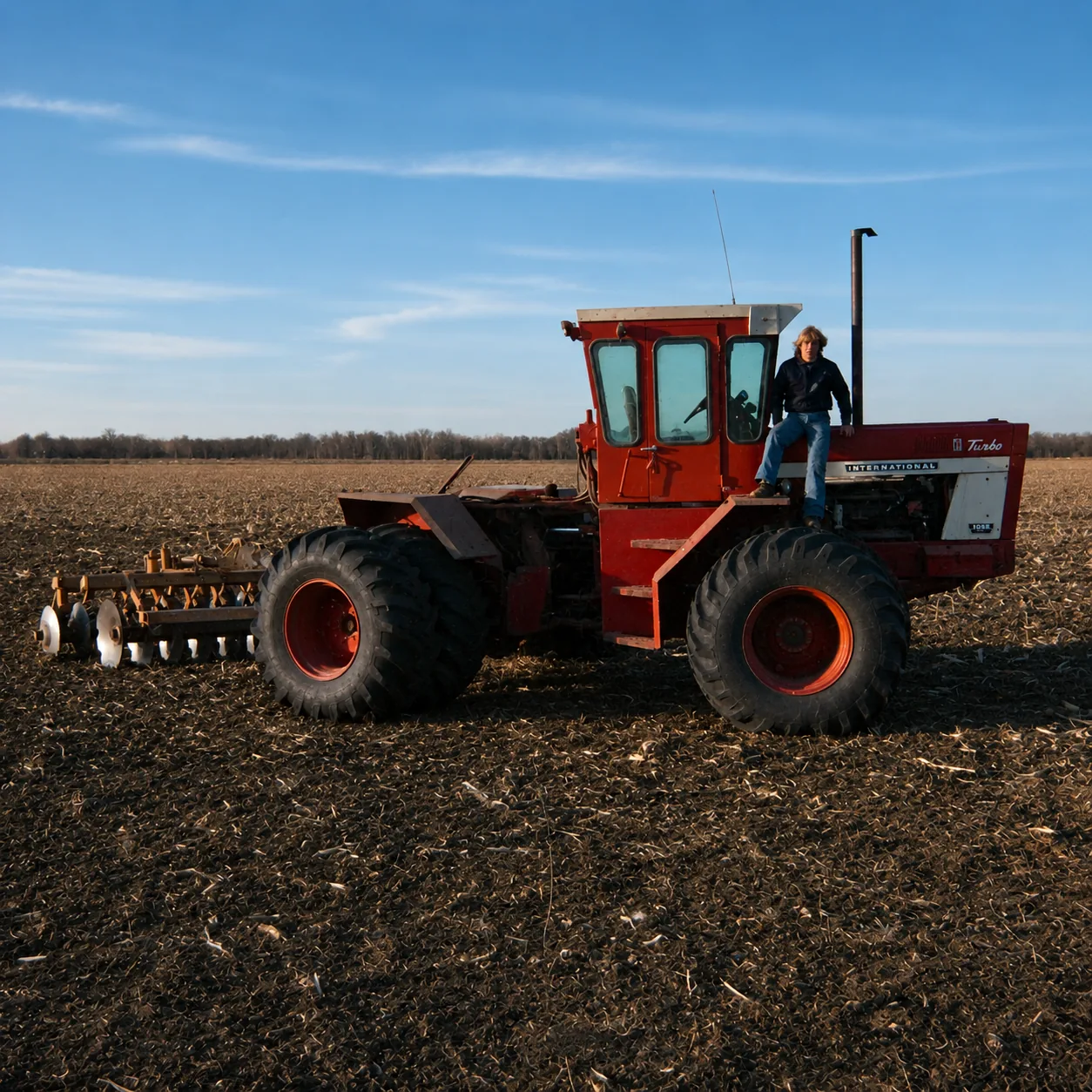
6 photos — click any image to browse full gallery
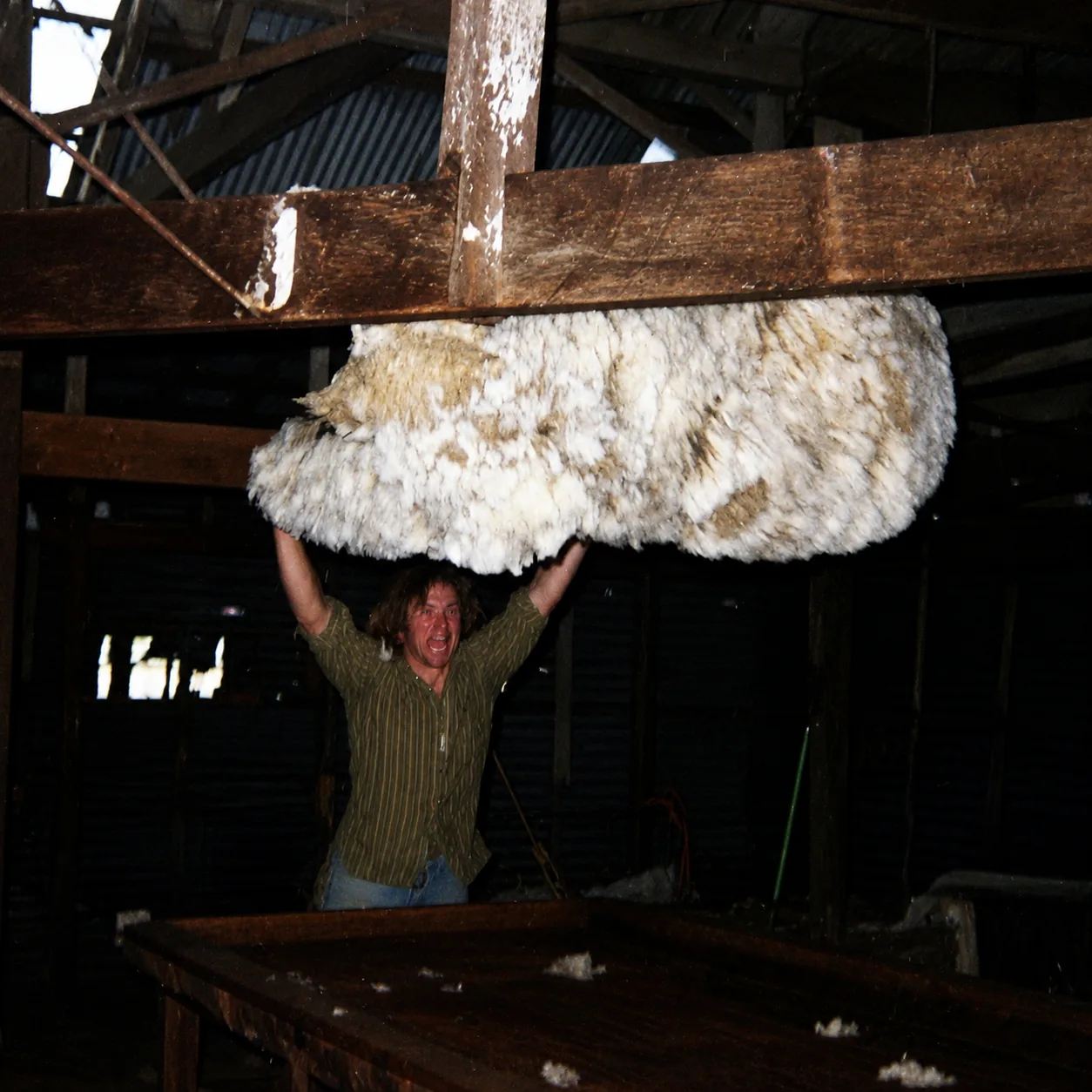
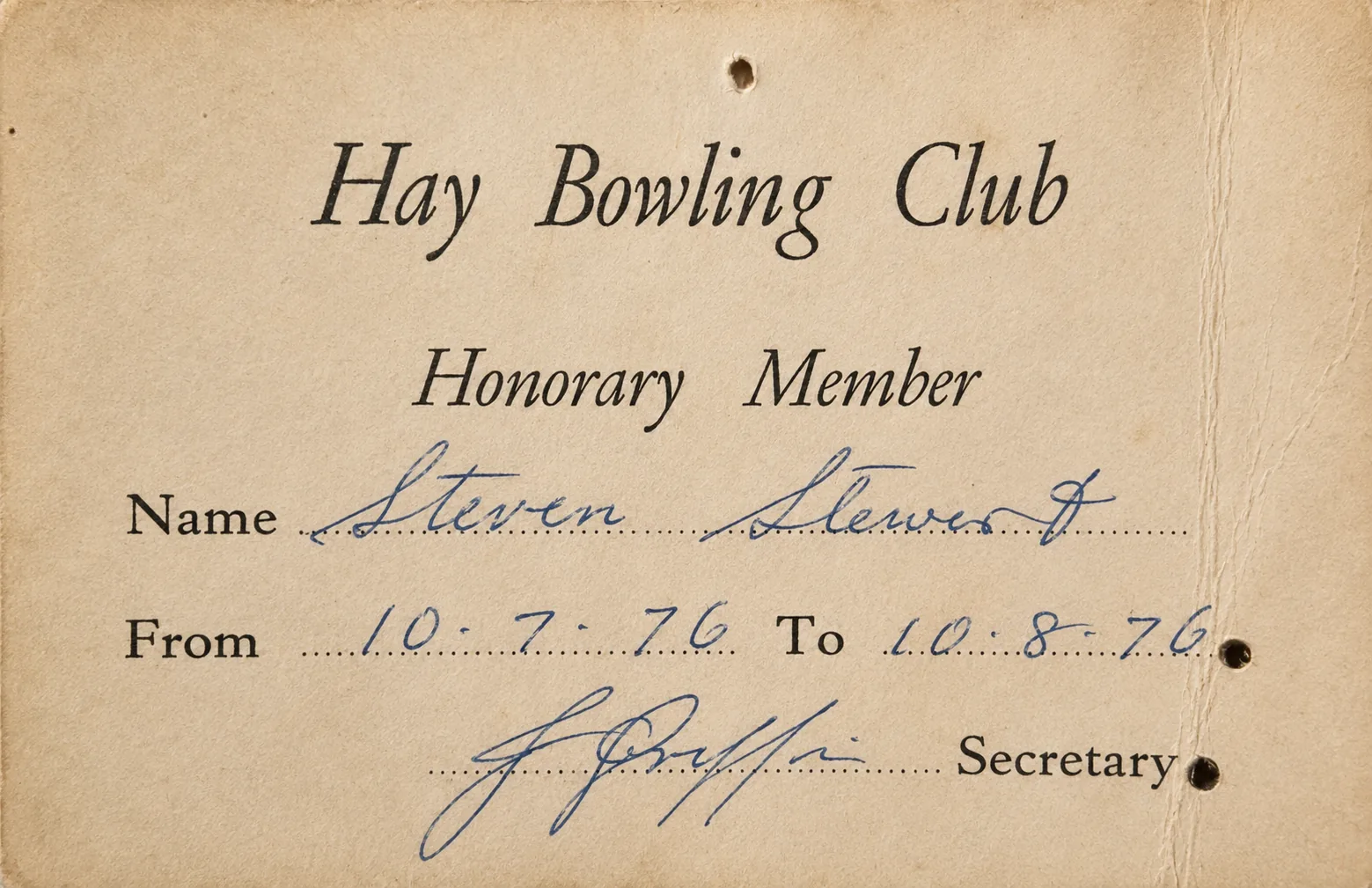
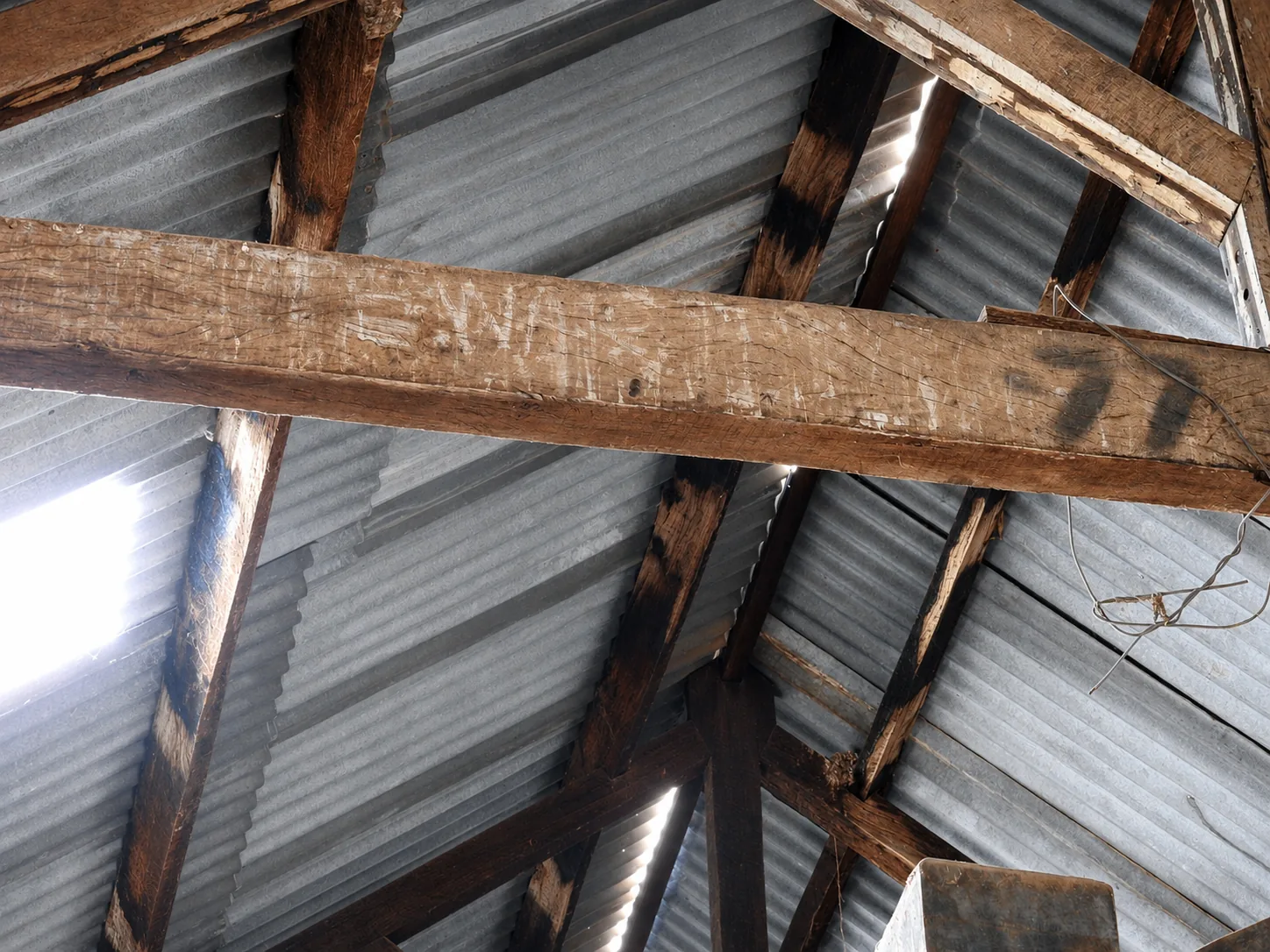
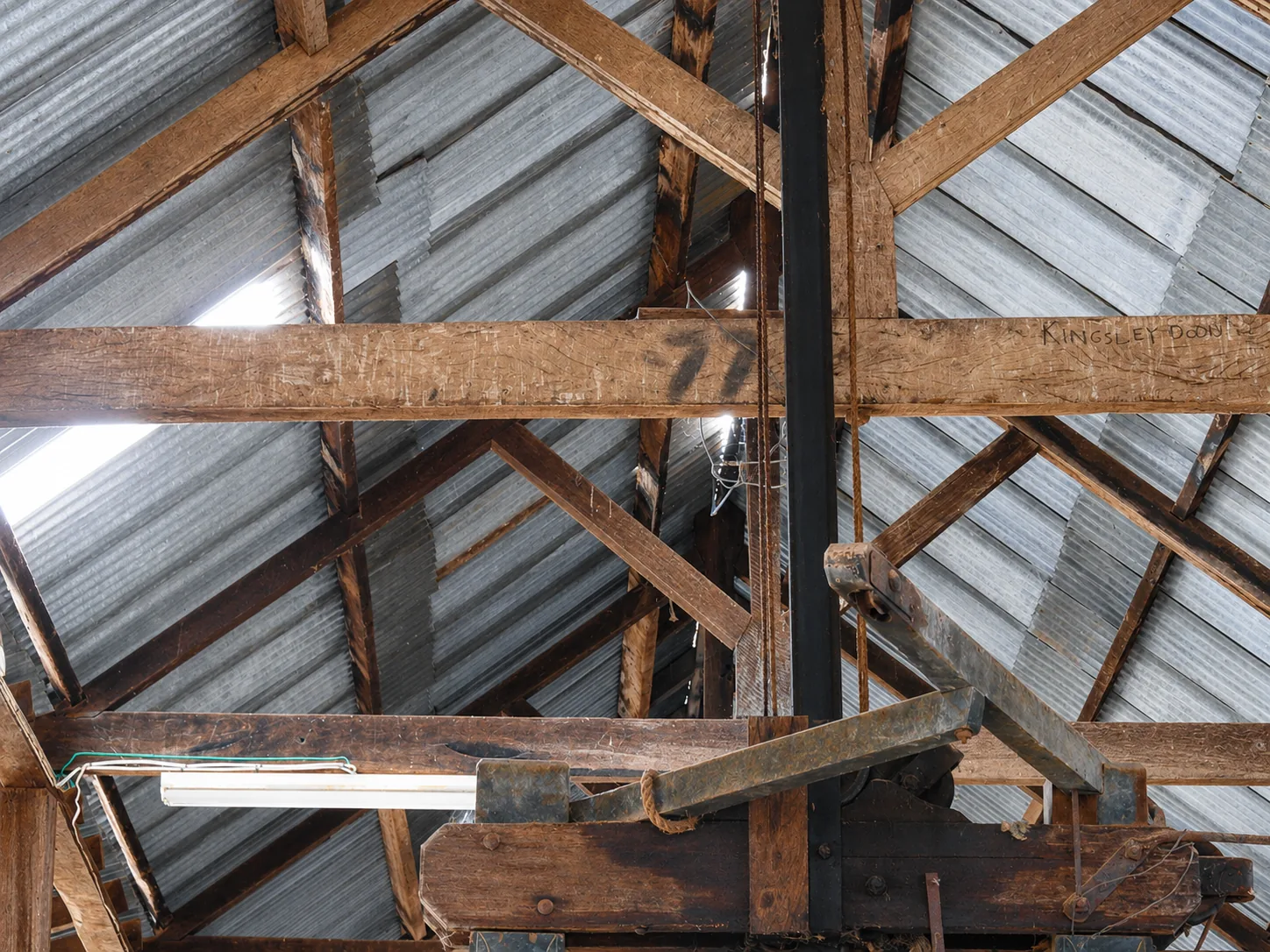
I still have a letter that I wrote to my mother about my time working at Toganmain in 1976. I wrote in the letter that a few of us went into Hay on the weekend to go to the Services club. I wasn’t allowed in due to having runners on. So we went to the bowls clubs and made an Honorary member. I still have my Honorary membership card. Also in my letter I wrote that I had signed my name on one of the beams above the woolpress in chalk. In 1977 I climbed back up to the same spot and wrote 77 in black stencil ink. It is still there but very faint, as I checked in 2022 when I went back there. I did this both times at cut out, in 77 after I climbed down Royden Barnett spotted what I had done and said to me to get back there and clean it off. I said to him if he wanted it off he could climb up and do it. Thankfully he wasn’t as nimble as I was back then and it is still there. Nice to be part of history. I visited the shed in 2020 as I was travelling around Australia. It was a shame to the shed in such a state of disrepair.
3 photos — click any image to browse full gallery
Other memories I have of my time there were washing my work jeans and pegging them to the top wire of the fence. Making the bottom of the legs into a tube. Overnight there was a huge frost as they have at inland Australia. In the morning I placed my jeans in the paddock and because the water was frozen in the jeans they stood up by themselves till the sun thawed them out.
I have some photos from 1976, 77 and I have been in contact with one of the shearers who picked himself out in one of the pics. His name is Buddy Wilmink and now lives in Canada. He remembers a couple of the shearers were from Qld, one from Winton area and the other from Barcaldine.
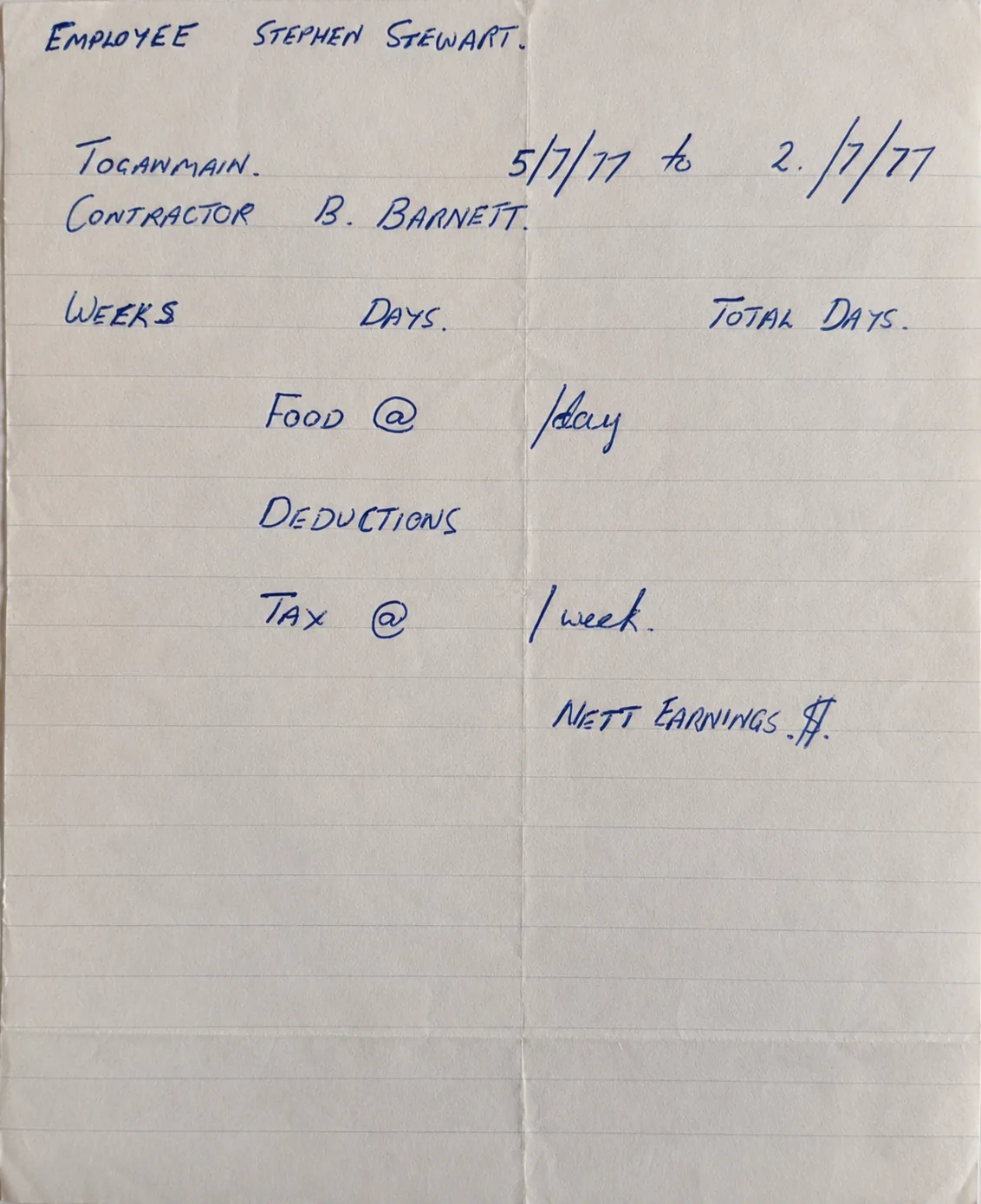
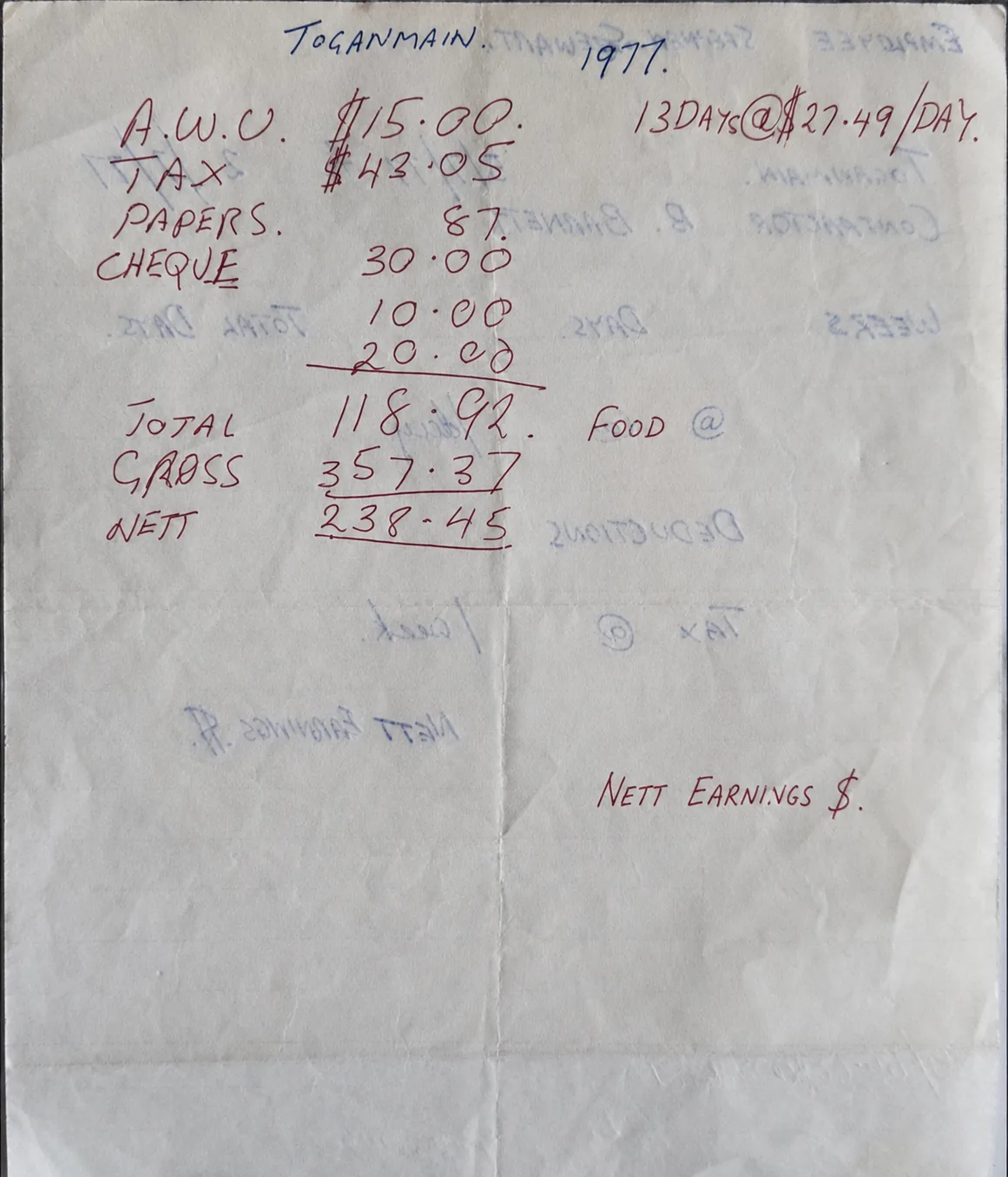
While we were there all the shearers voted to go on strike for the day which was part of a national strike action by the ATCU against Malcolm Fraser’s changes to the healthcare scheme. All the shed staff and shearers basically sat in the shed for the day. I was signed up to the AWU for $15.00 to become a Union member. That was a lot of money back then to come out of my pay cheque seeing I was only earning $27.49 per day.
3 photos — click any image to browse full gallery
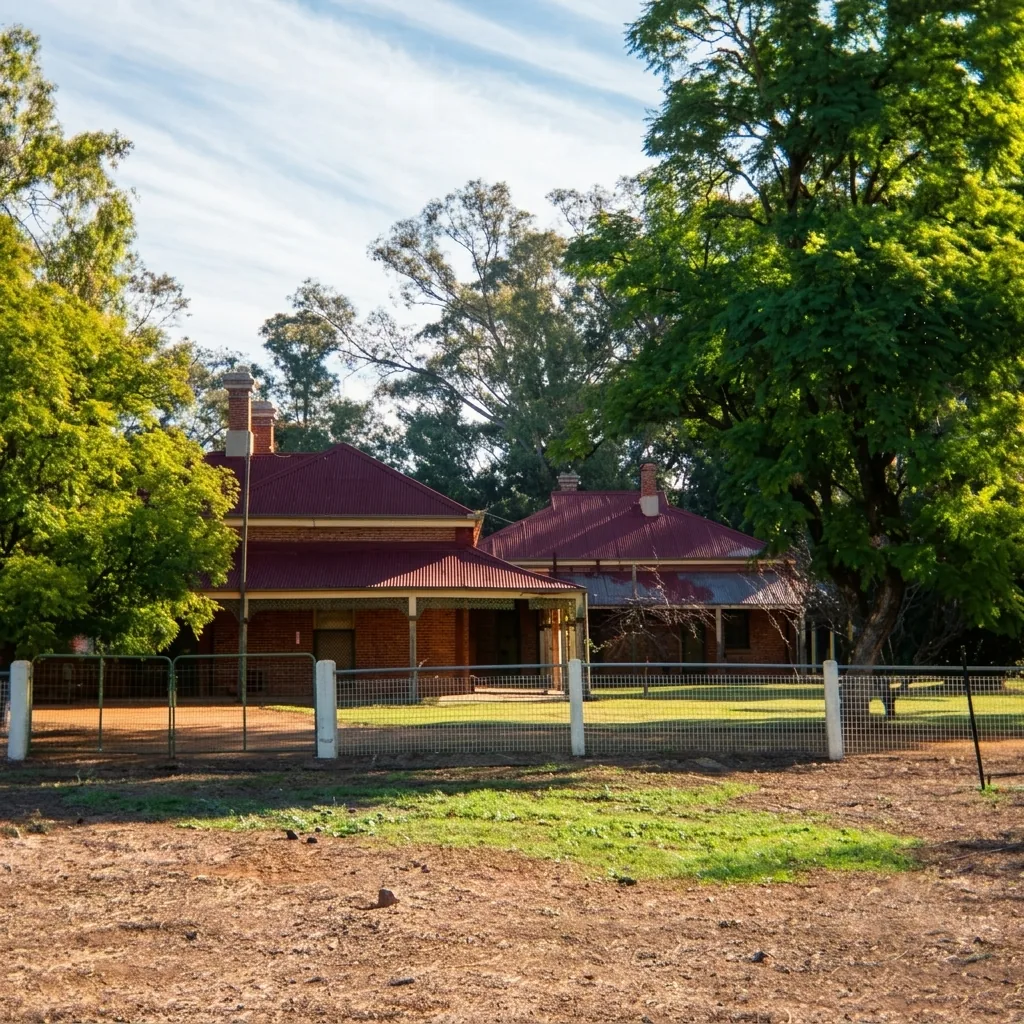
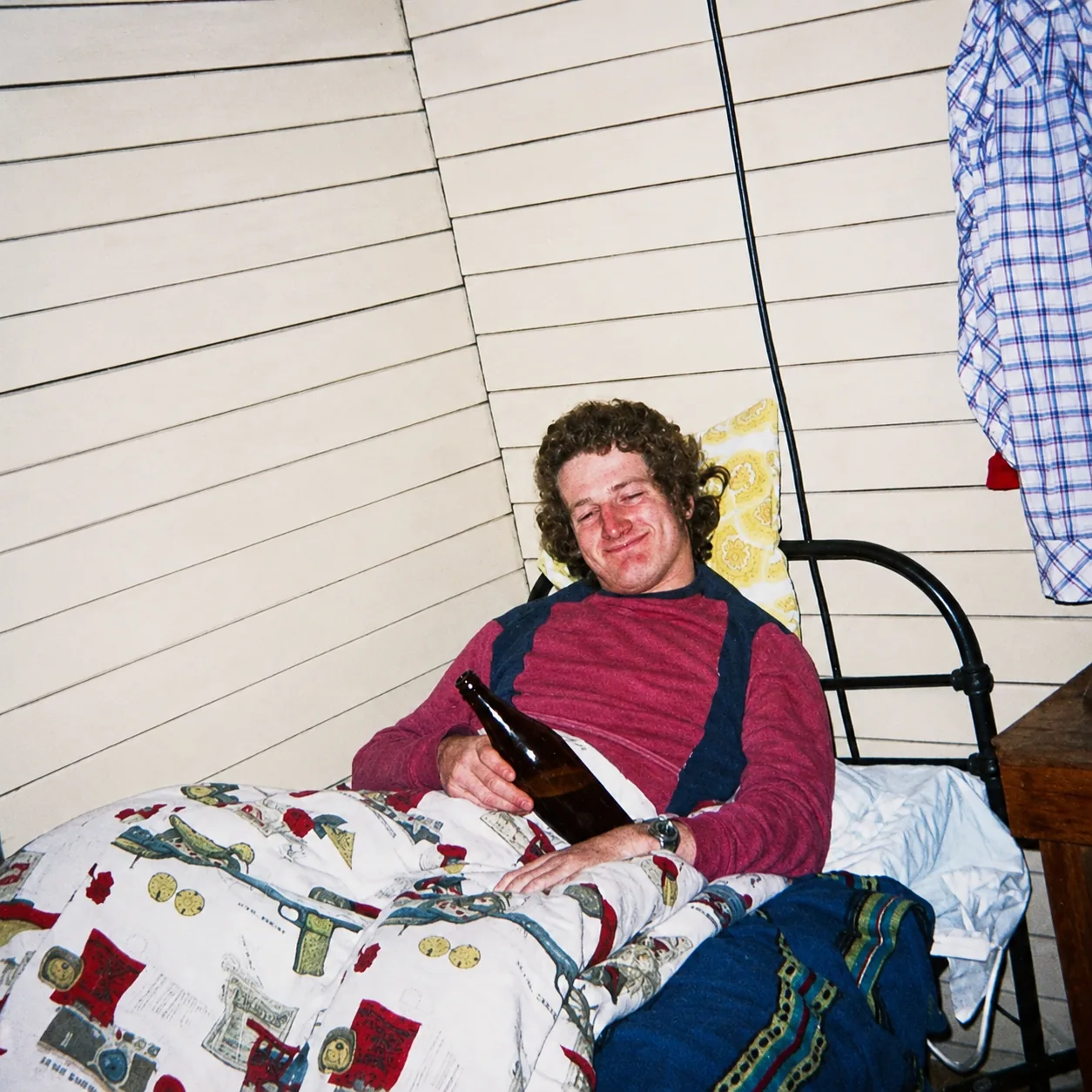
The rooms we bunked in were only big enough for 2 single beds with a little table in between the beds. They were lined with boards and no insulation in the walls or ceiling, so working up there in winter it was very cold during the night. Didn’t need a fridge to keep our drinks cold because it was so cold overnight.
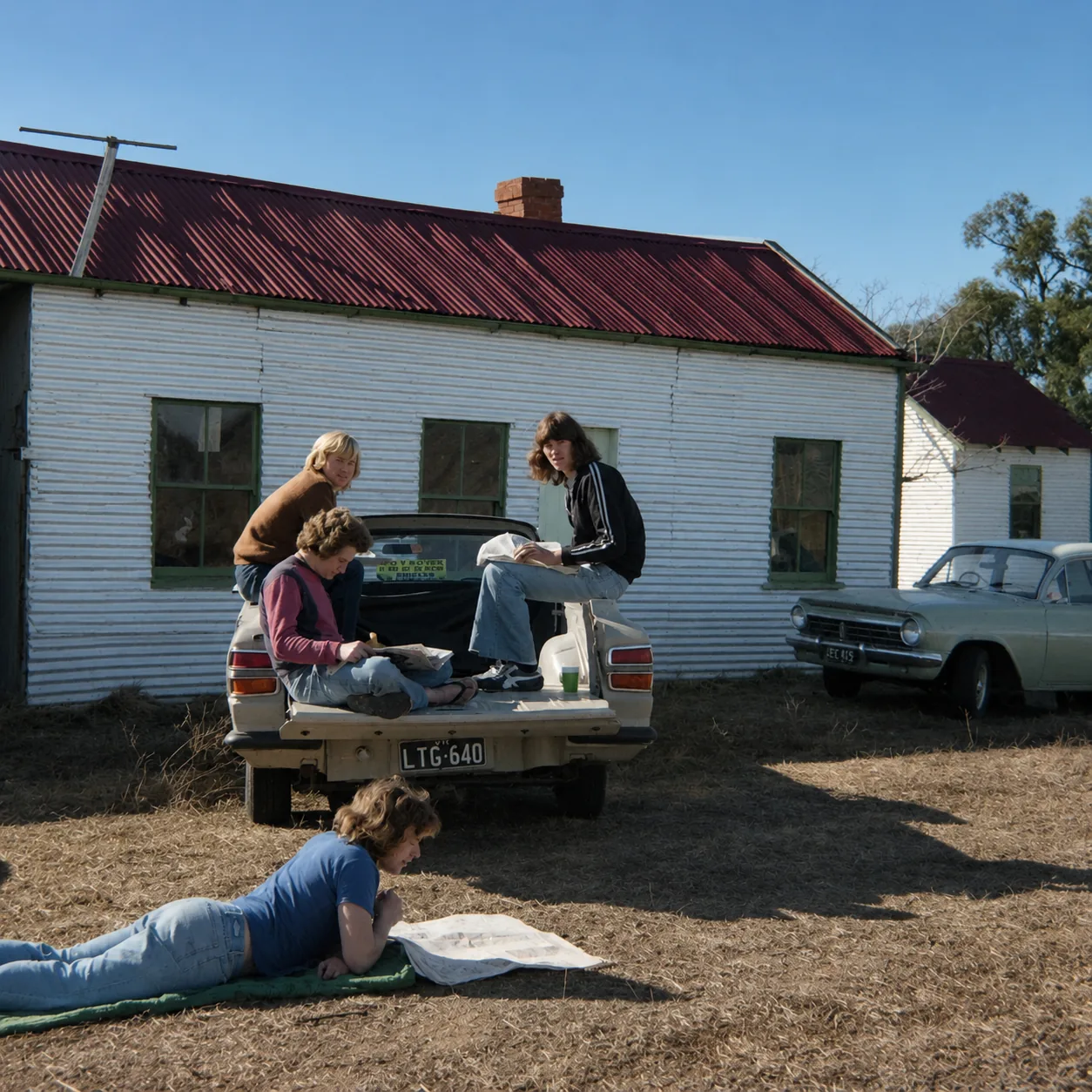
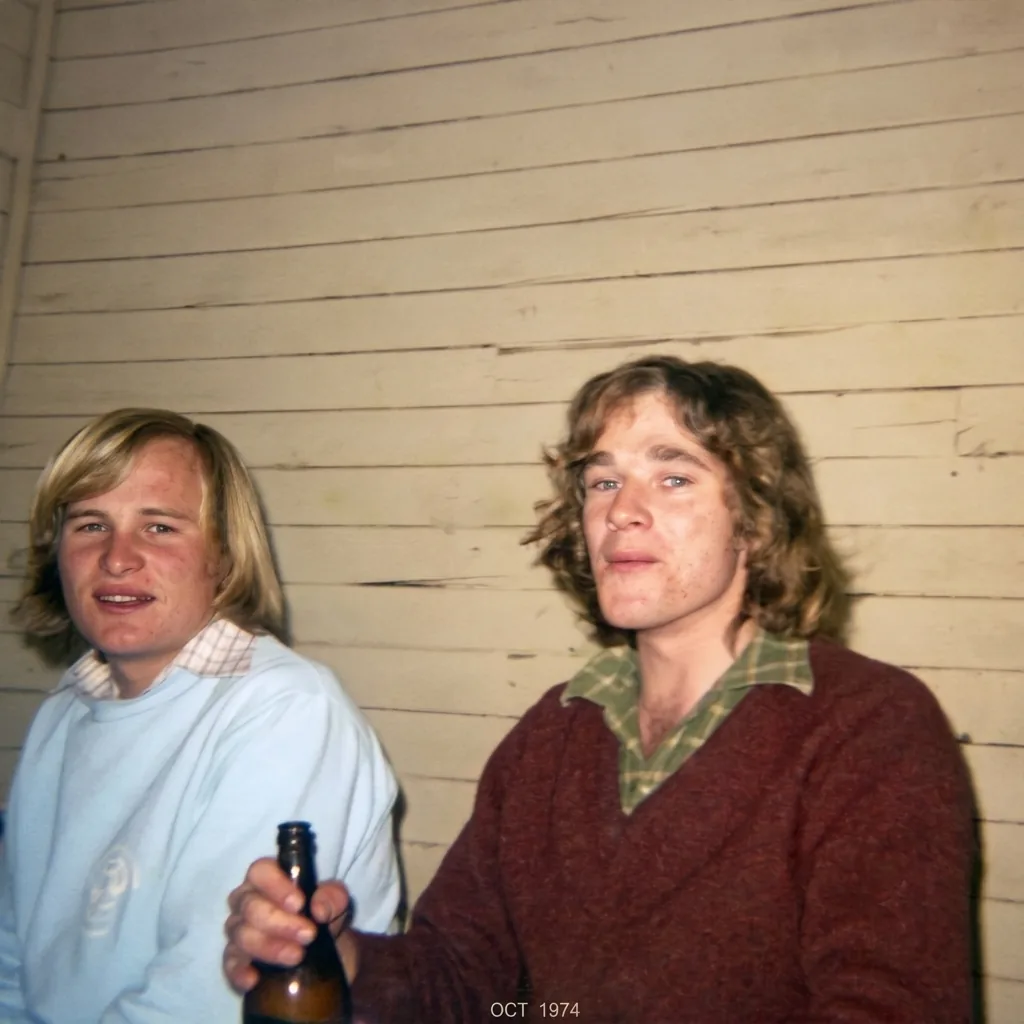
3 photos — click any image to browse full gallery
The cook house had the biggest fire place I had ever seen and after the cooking was done for the night big logs of timber would be loaded on to keep the place warm. There was always plenty of food and you eat like a horse as we were young and fit and busy. Weekends we basically stayed in the area, going down to the Murrumbidgee River to catch Murray crays or into Hay. The jackaroos on the farm had a massive round pot that you could get in. They used dead sheep as bait. They would roll it into the river and used a car or tractor to pull it out. It had a very thick copper cable used as rope to pull it in. Back then there was no limit or size restrictions on catching them.
In 1977 I went back for another shearing with other students. Glenn McCarthy, Ken Welsh, Cliff King and myself drove up together a few days earlier to go shooting pigs up past Hay to around Booligal. On the way up Ken and Cliff cars we were in had an accident. We went back to Geelong and changed Cliff’s car which was damaged in the front end to my car which was a 1966 Toyota Corona. This time on the way up we went through Conargo Pub with a little old lady being the publican. She was a tough as boot leather. She had a couple of pig dogs under the floor with a trap door up into the bar that she could open if there was any trouble and a big waddi (club) under the bar.
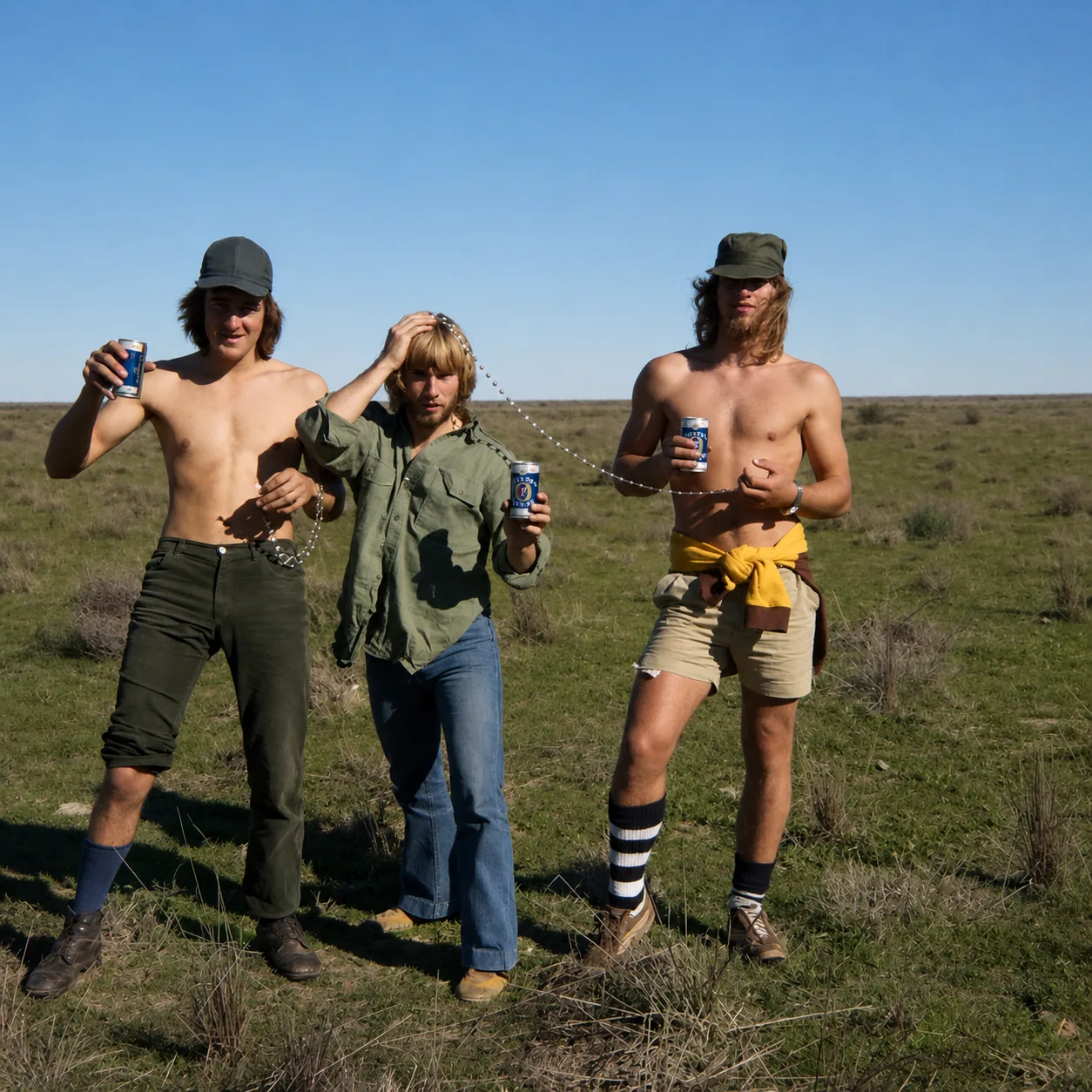
We also visited the Wanganella ram on our way up. Back then cans of beer (Fosters) had ring pull tops which we made into a tinny chain. We managed to make a tinny chain that went from one side of the doorway around the other 3 walls and back to the other side of the door.
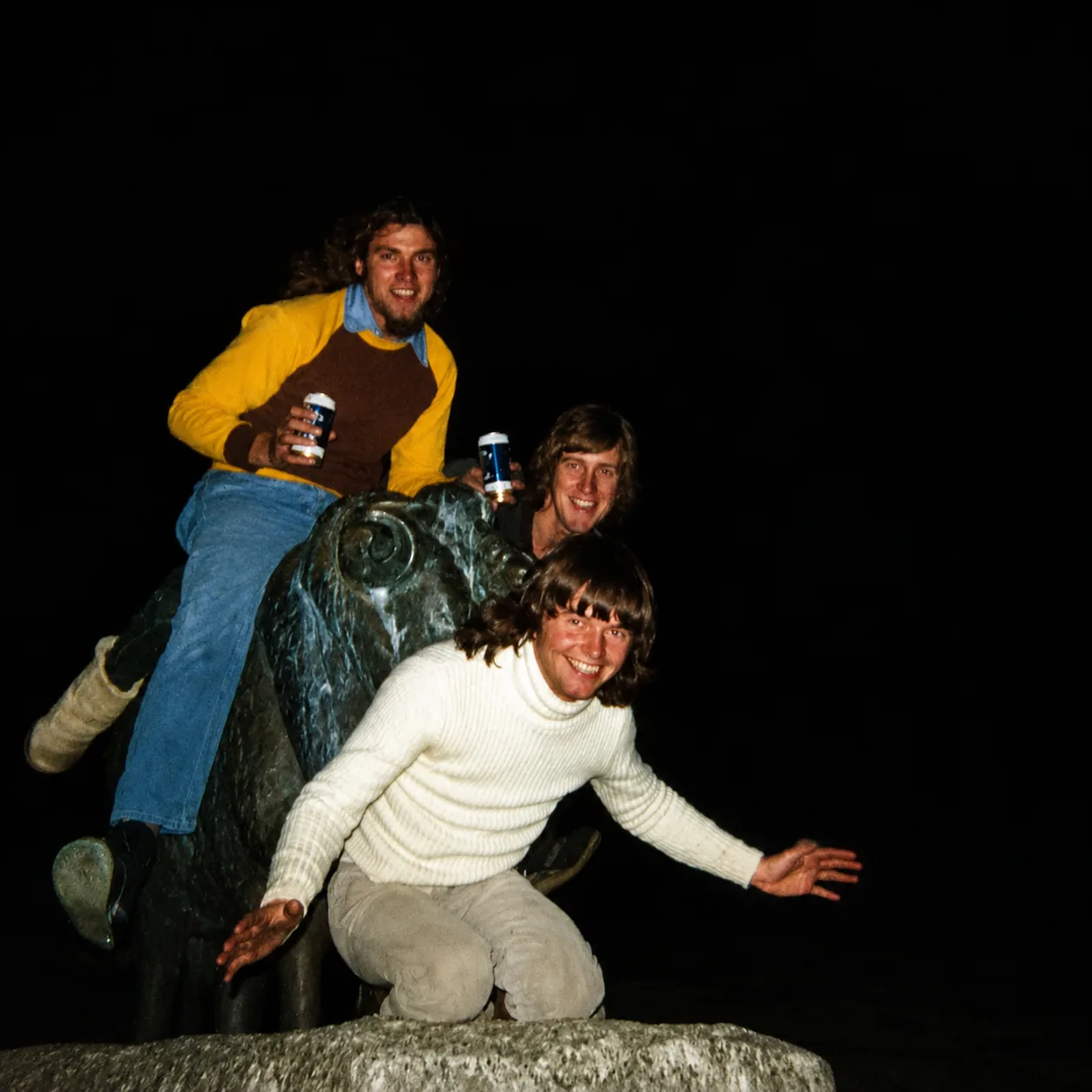
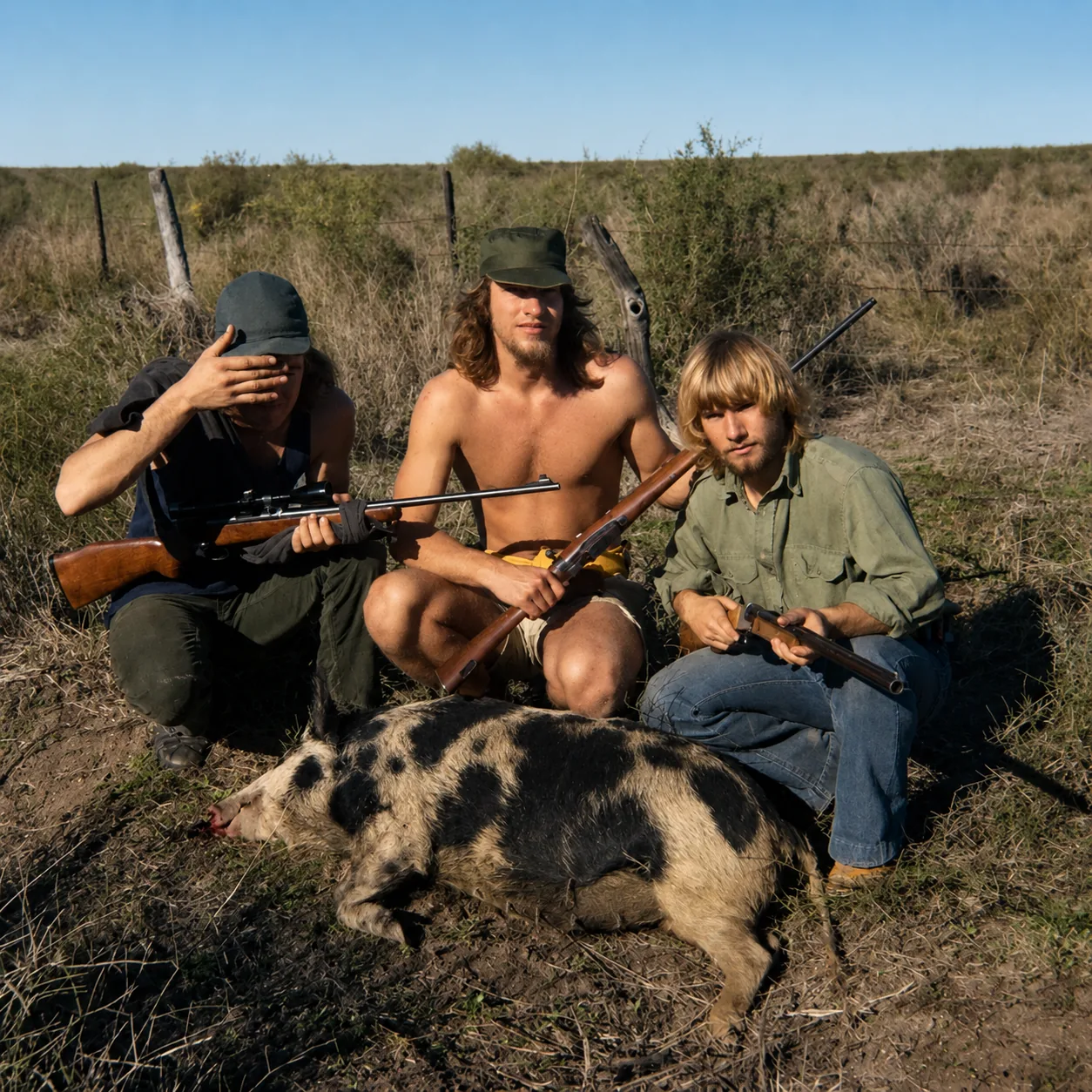
3 photos — click any image to browse full gallery
Other students that went up that year were Peter Linderman, Tony Hill, Phill (pup) Ryan. Again we worked gaining experience in the sheds. Glenn (Mac) worked with Royden Barnett pressing sometimes start just after breakfast in the morning till dark pm to catch up with pressing.
Also we went spotlighting one night with Ken Welsh’s ute and Peter Linderman in his Dad’s Passat and he damaged the underneath driving over a stump chasing a roo. Driving back from a night out in Hay there was a layer of fog that was only thin and was about halfway up the windscreen. I could hardly above the layer and had to virtually look through the steering wheel to see where I was going.
On another occasion when I was on the board, the Rams were being shorn. One of the shearers was down to his last Merino Ram and the ram was not happy. The shearer couldn’t get into the pen to catch it as it charged him and they have very big horns. So I went around the back of the pen and got the shearer to distract the Ram and I jumped in and grabbed the Ram by the horns. The shearer then came in and we turned him over so he could be shorn.
Another memory is as I said earlier how cold it got in the rooms. I used newspapers in between my sleeping bag and blanket to keep the cold out. The only way we could get power was an adapter through the light socket to plug either electric razor or the old bar heater in. Quite a few of the shearers bought along these bar heaters and they eventually ended up blowing fuses. Apparently one of the shearers decided to replace the thin wire fuse with fencing wire. Bryce found out and quite rightly so was not a happy man. I don’t think they found out who did it but all heaters were banned after that.
I am still in contact with quite a few of my woolclassing mates who worked up there in 1976-77. After finding out that a lot of work has been done to repair Toganmain we are keen to have a catch up there at some stage in the near future.
With thanks to Stephen Stewart, who shared his story, photos and mementos from his two shearing seasons at Toganmain.