Fifty-six years, one family, one Riverina station. Earlier this year Marianne Thorne — granddaughter of Jack McBratney, Toganmain’s long-serving bookkeeper then manager, and daughter of Bill McBratney, who grew up in McBratney’s house on Tog and worked on the property himself — got in touch with a remarkable collection: Jack’s original 1894 letters applying for the job, and well over a hundred family photographs spanning two generations. Here is their story.
A Bookkeeper’s Application
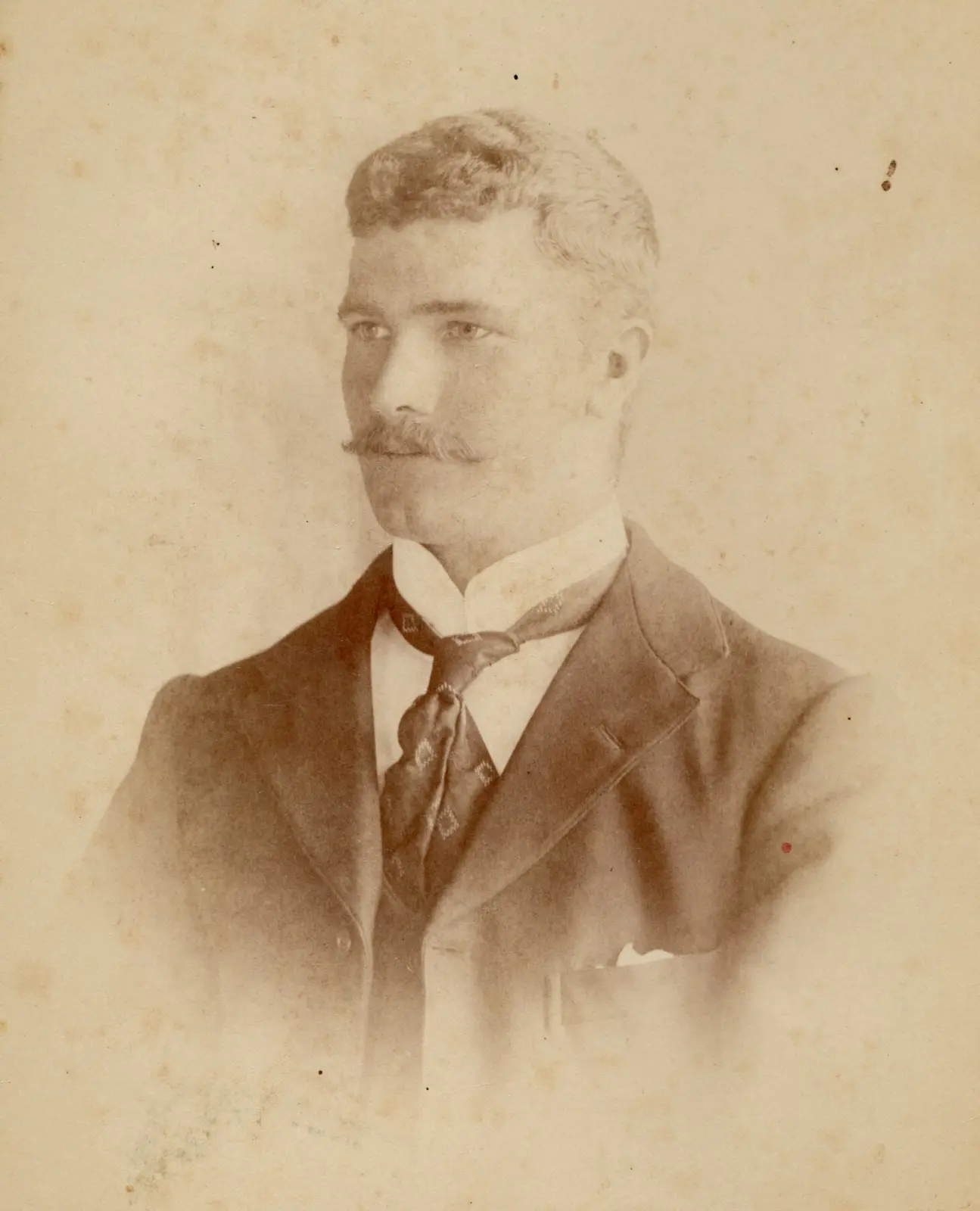
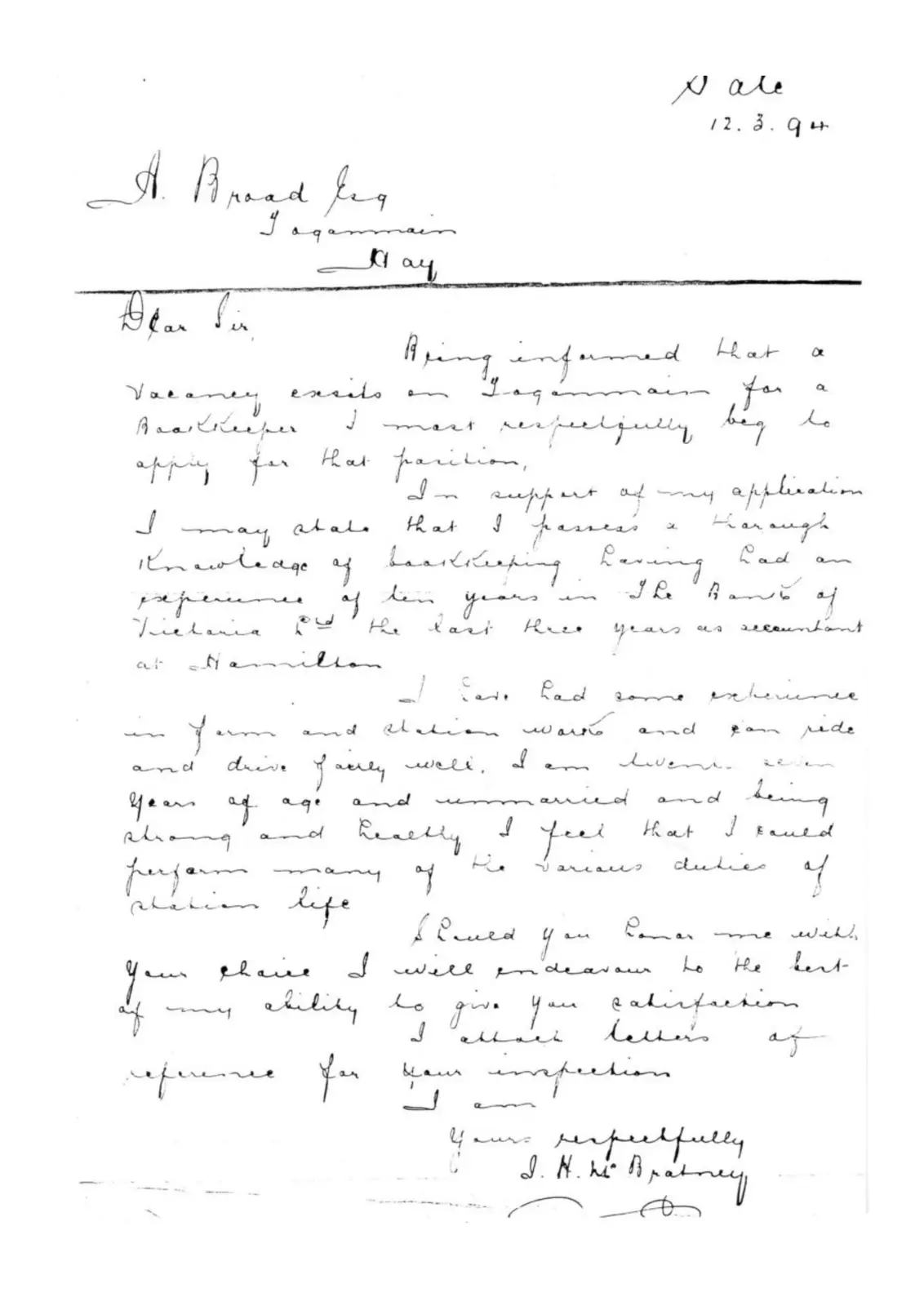
In March 1894, a 27-year-old bank accountant named Jack McBratney sat down in Sale, Victoria, and wrote to Andrew Broad at Toganmain Station. He’d heard there was a vacancy for a bookkeeper, and he wanted it. In his letter he set out his case plainly: ten years’ experience with the Bank of Victoria, the last three as accountant at Hamilton, a working knowledge of farm and station life, and the ability to ride and drive competently. He was unmarried, strong and in good health, and felt sure he could turn his hand to whatever the position required. References were enclosed for inspection.
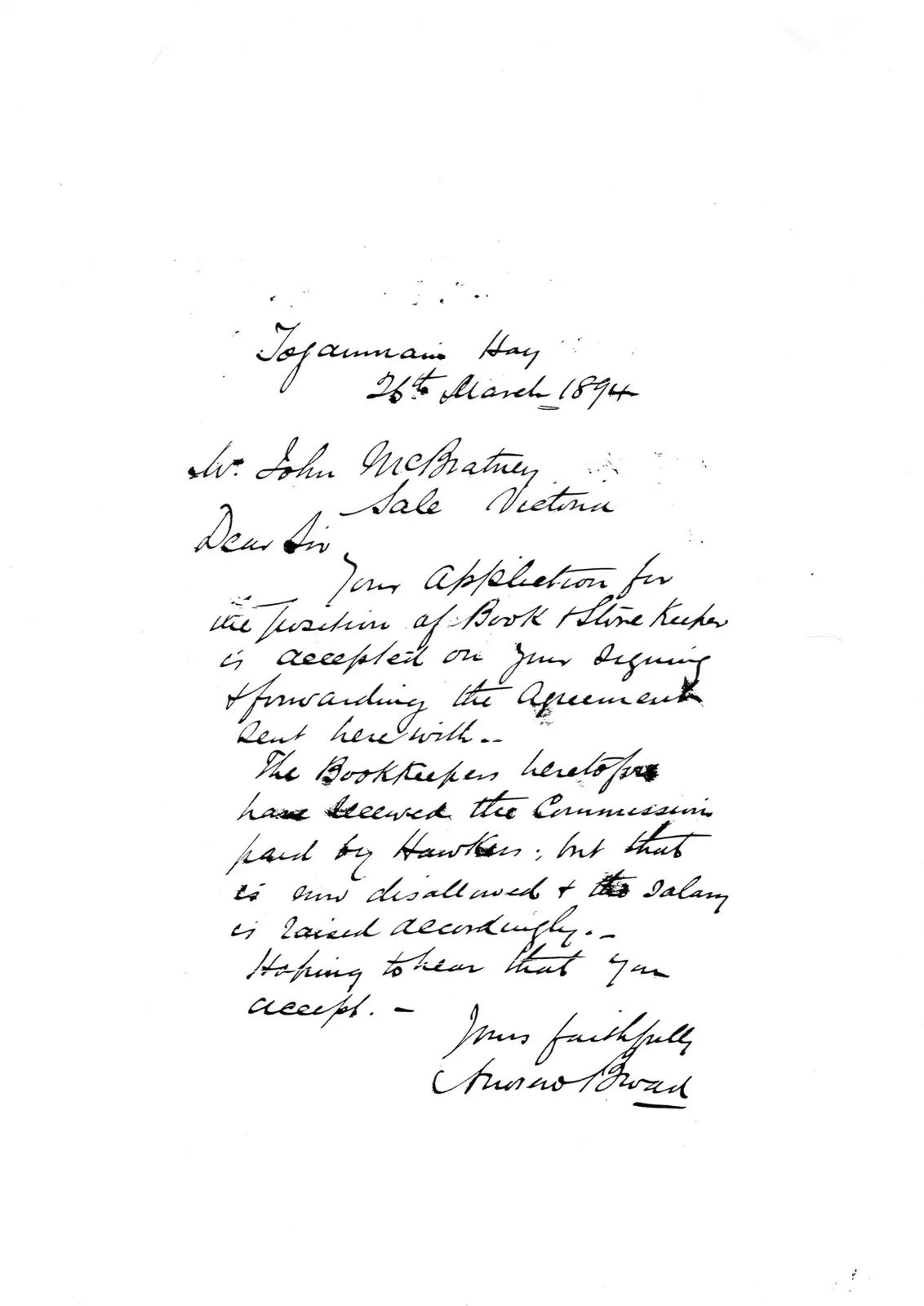
The reply came a fortnight later. On 26 March 1894, Andrew Broad wrote back on behalf of station owner Thomas Robertson to say the application for Book & Store Keeper was accepted, on condition Jack sign and return the agreement sent with the letter. Broad added, almost as an aside, that bookkeepers before him had kept a commission paid by travelling hawkers who called at the station — but that arrangement was being stopped, and the salary raised to make up the difference.
The formal agreement, signed the same day, spelled out the actual terms: eighty-five pounds a year, rising to a hundred if Thomas Robertson judged the first twelve months’ work done “perfectly satisfactorily,” plus a five-pound travelling allowance — provided Jack stayed at least a year. Pay would begin the day he arrived on the station, which turned out to be 6 April 1894. Either side could end the engagement with a month’s notice. Jack signed, packed up his life in Victoria, and came to Toganmain. He would stay, one way or another, for most of the next sixty years.
Bookkeeper to Manager
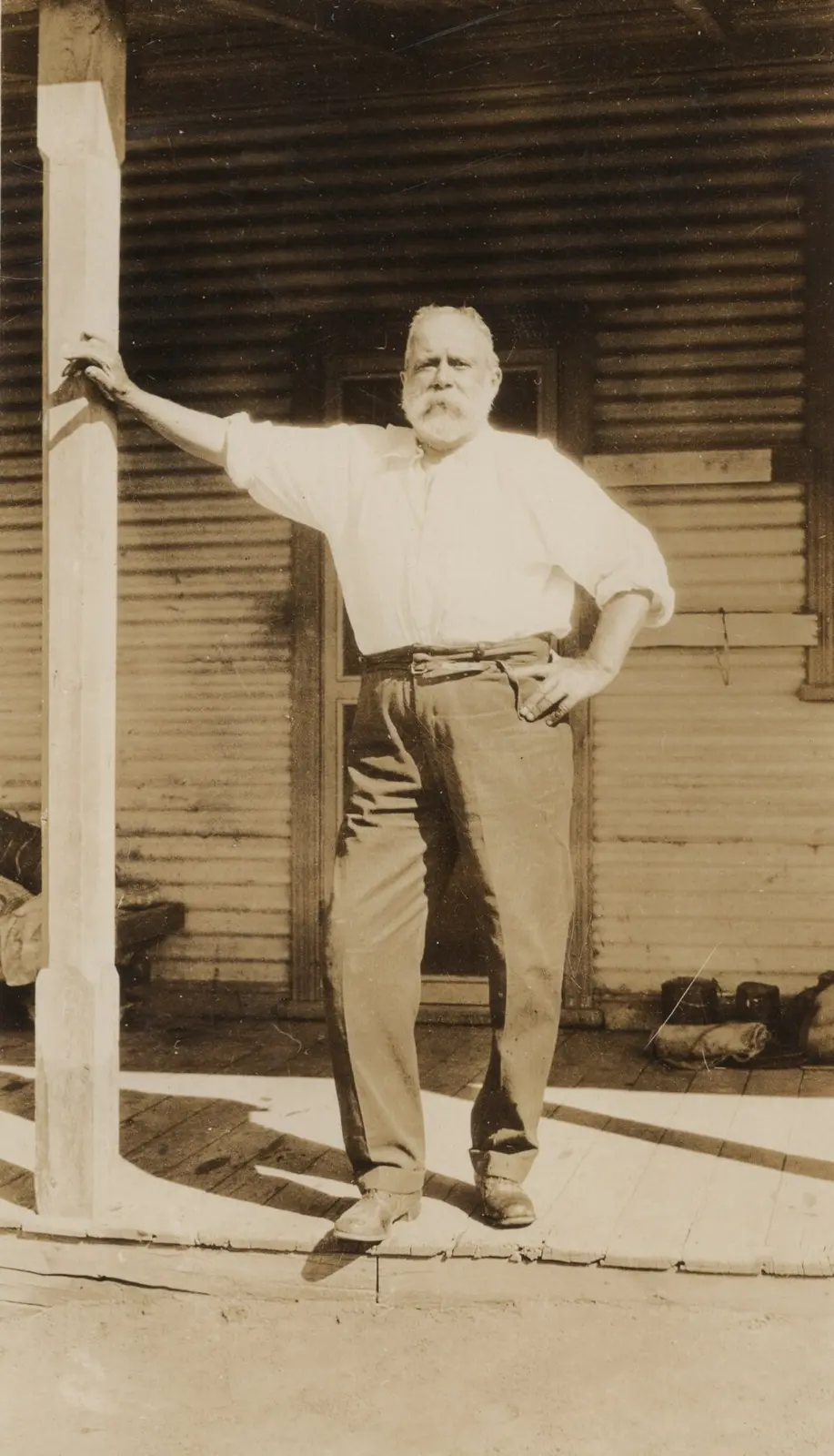
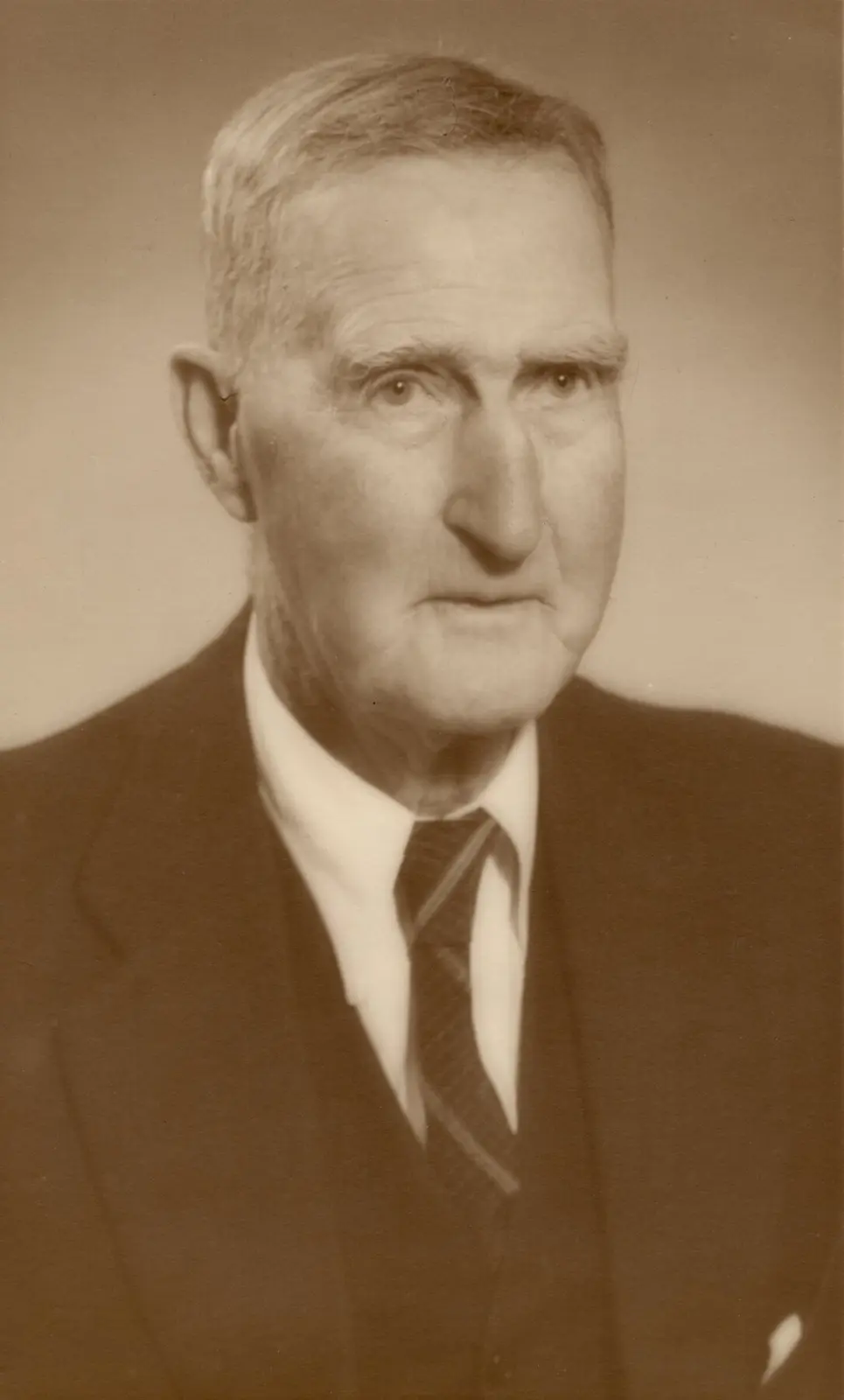
Jack didn’t stay a bookkeeper for long. Over the following decades he rose from Book & Store Keeper to accountant to, eventually, Manager of Toganmain Station — a position he held for many years. Alongside his station work he served an extraordinary thirty-six years as a Murrumbidgee Shire Councillor, a record of local service that says a good deal about the kind of standing he came to hold in the district.
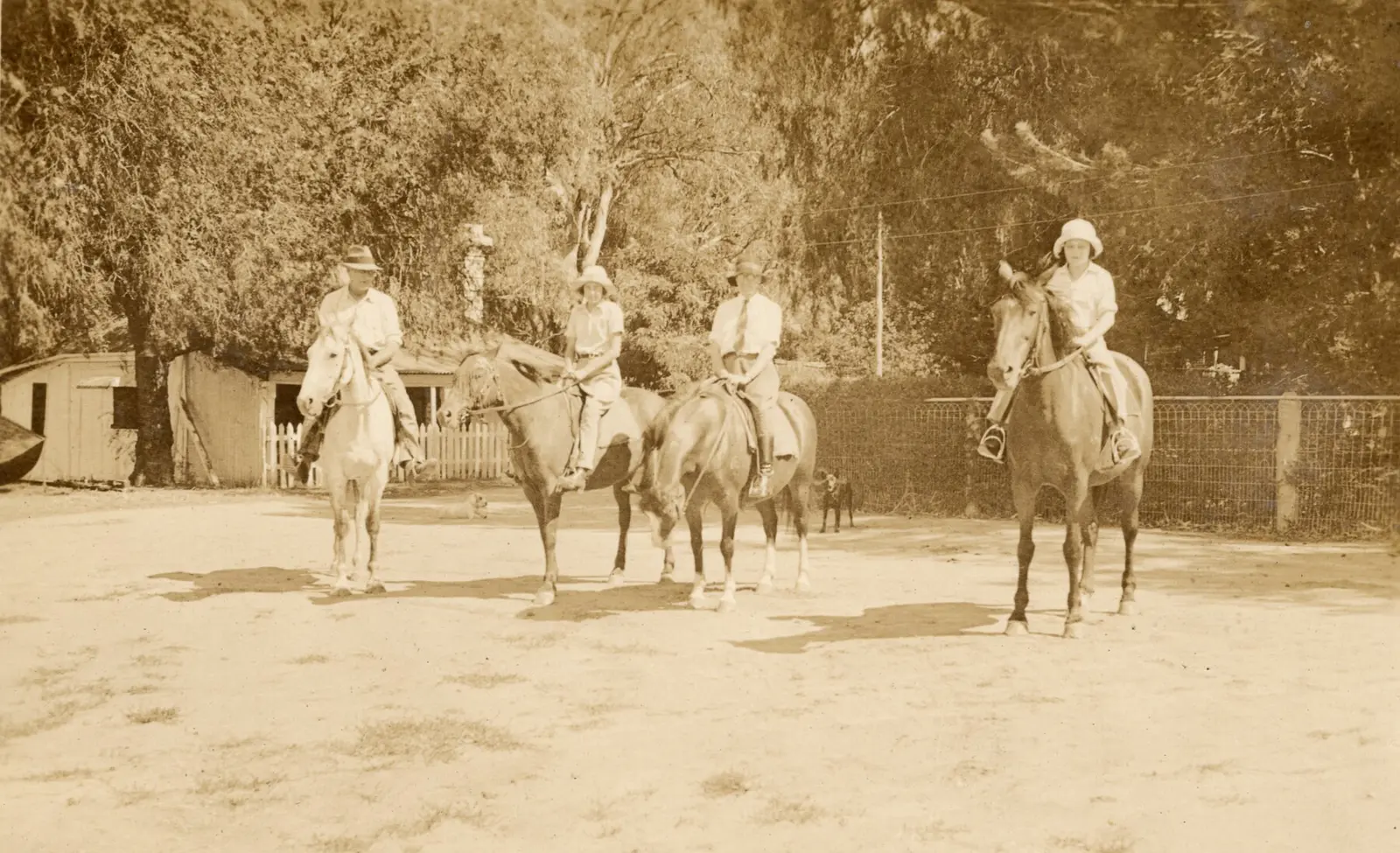
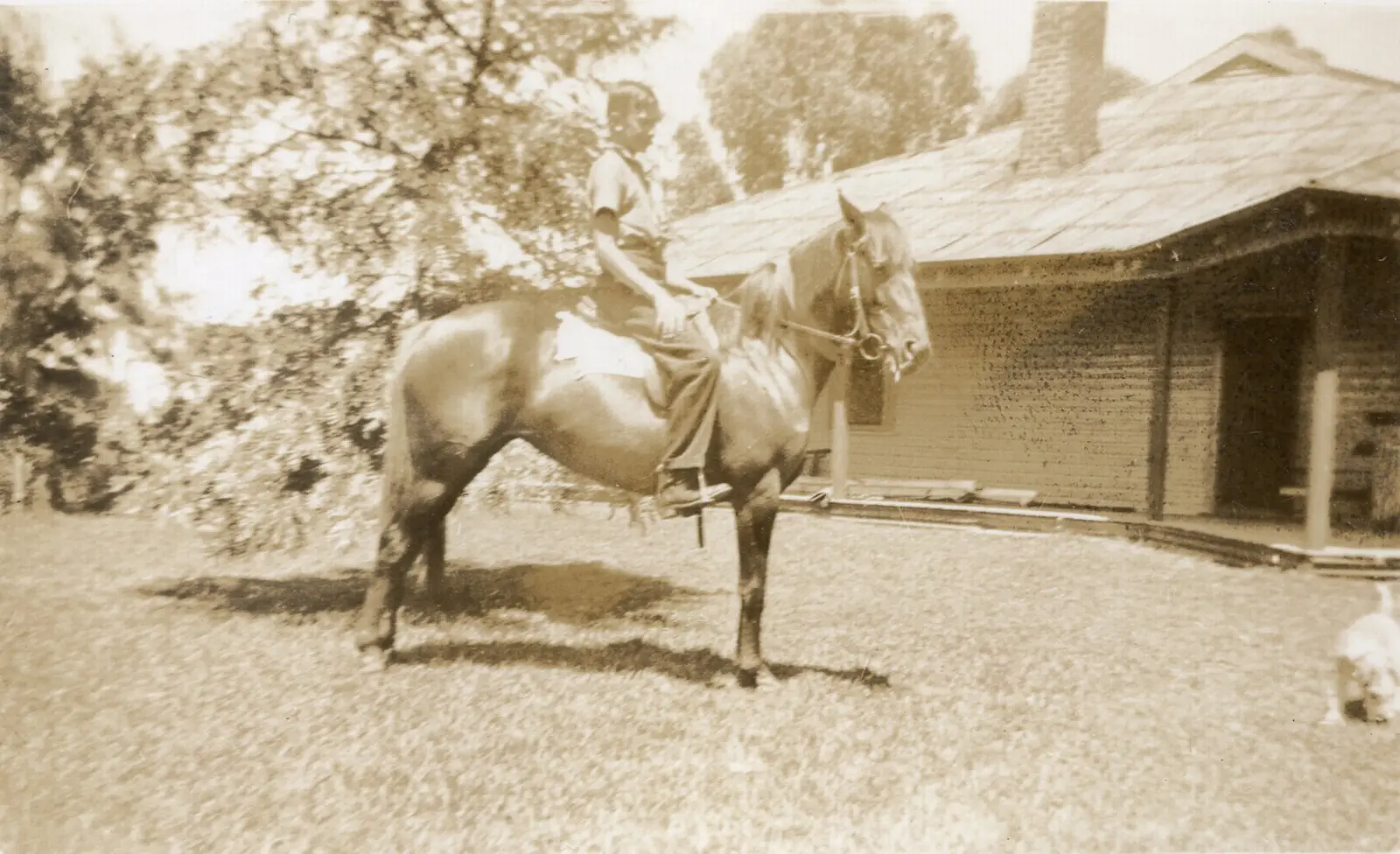
In 1918 he married Ethel Molyneux Royds, a well-known local horsewoman from the Royds family of Braidwood. Her grandfather, Thomas Molyneux Royds, had bred Archer on his cattle property Ballalaba — the horse that won the very first two Melbourne Cups, in 1861 and 1862. Family photographs from these years bear out Ethel’s own reputation in the saddle: one shows her mounted and ready to ride alongside other residents of Toganmain and her daughter, every bit the confident horsewoman her family history would suggest. The couple had three children: Margaret “Arn” (born 1921), John Jnr (1923) and William Edward “Bill” (1927).
Regular readers may already know Jack from a different angle. Our earlier post “Diary of a Bookkeeper” is P. J. C. Wallace’s account of the 1928 shearing season at Toganmain, and it names Jack repeatedly — as “J. McB,” with Ethel as “Mrs Mac” and their two older children mentioned by age. One entry, describing “Mac’s baby boy — one year old,” is almost certainly baby Bill. It’s a nice thing to be able to say: the diary and this article describe the same family, from two different angles, ninety-eight years apart.
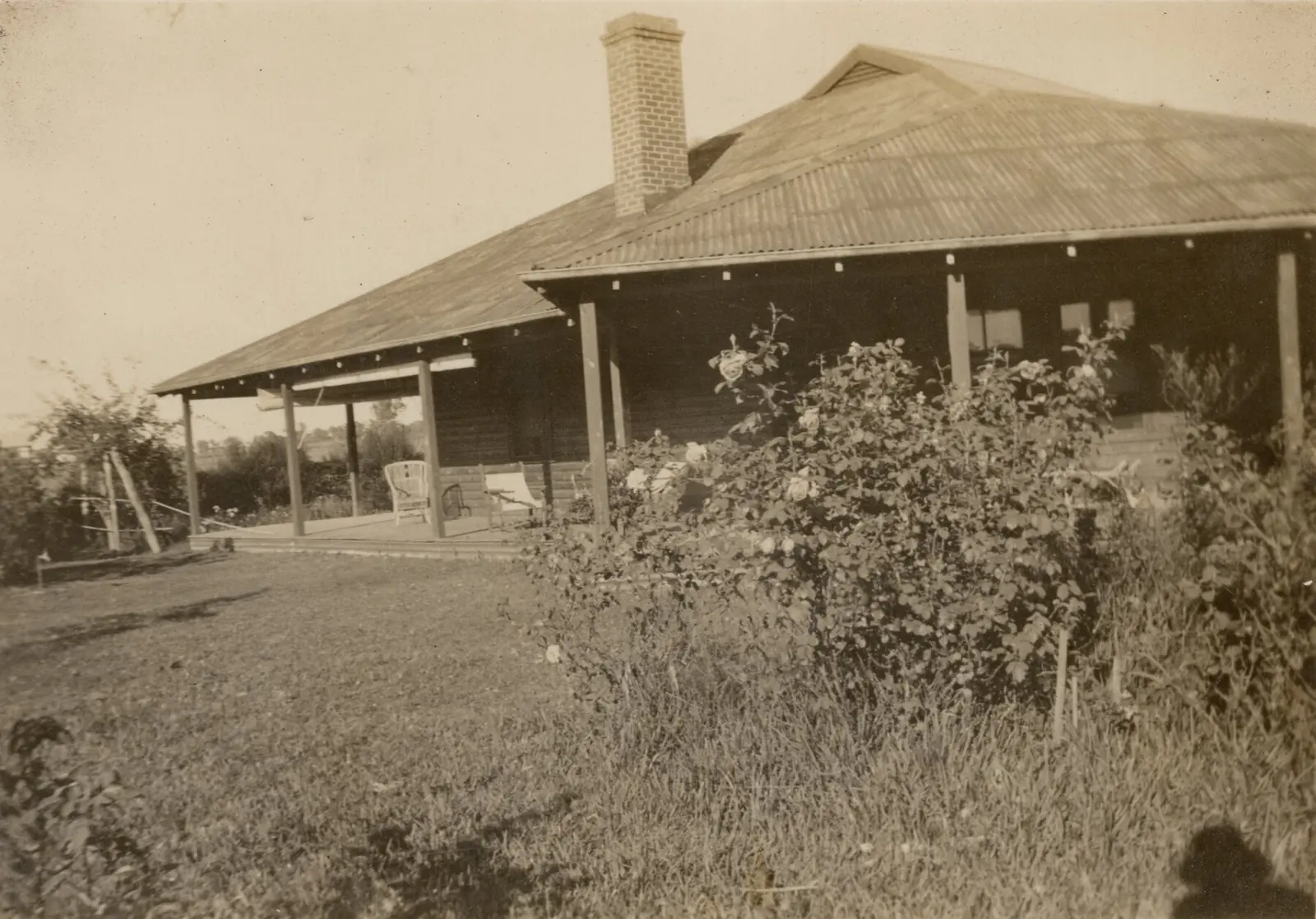
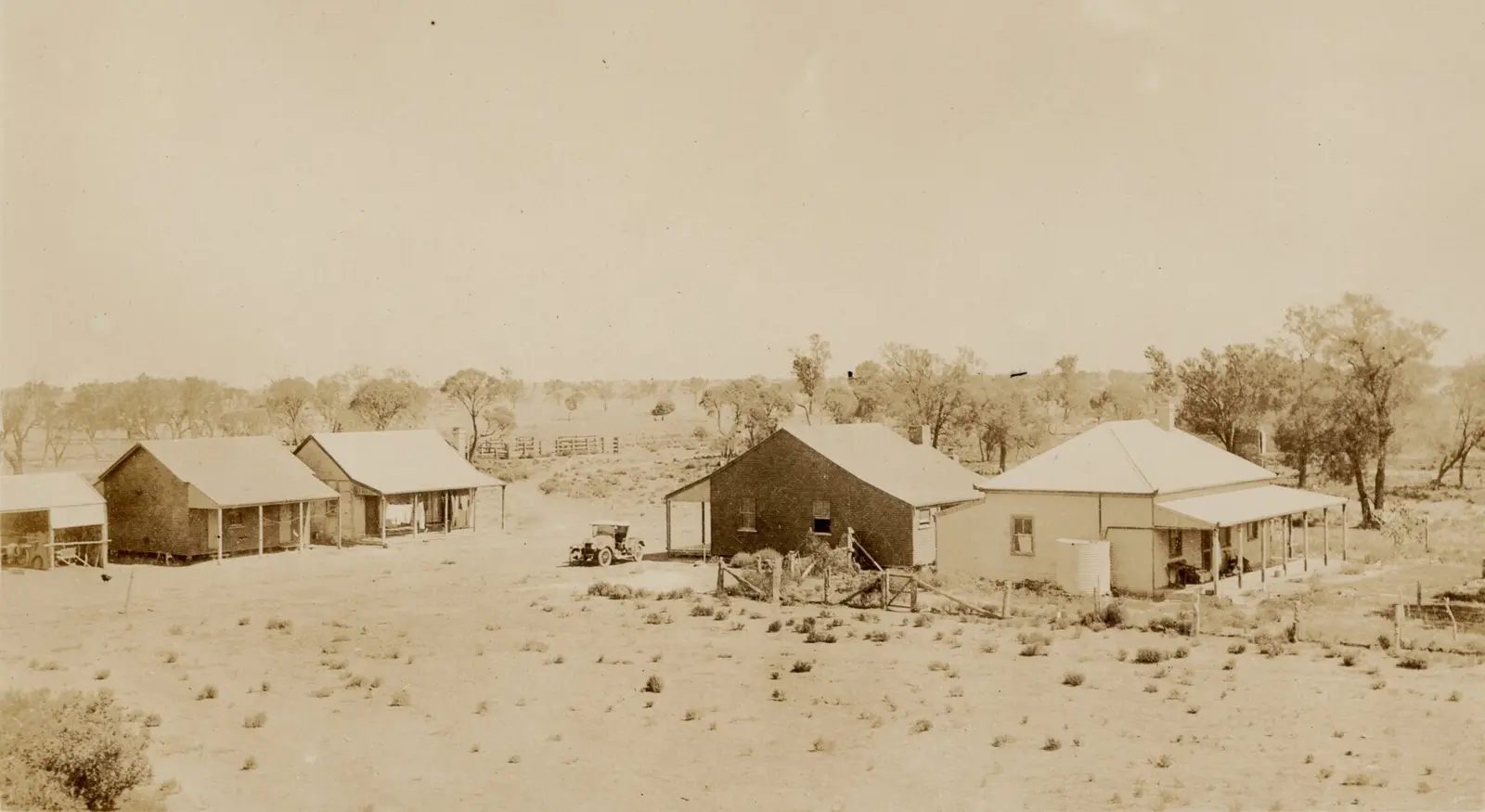
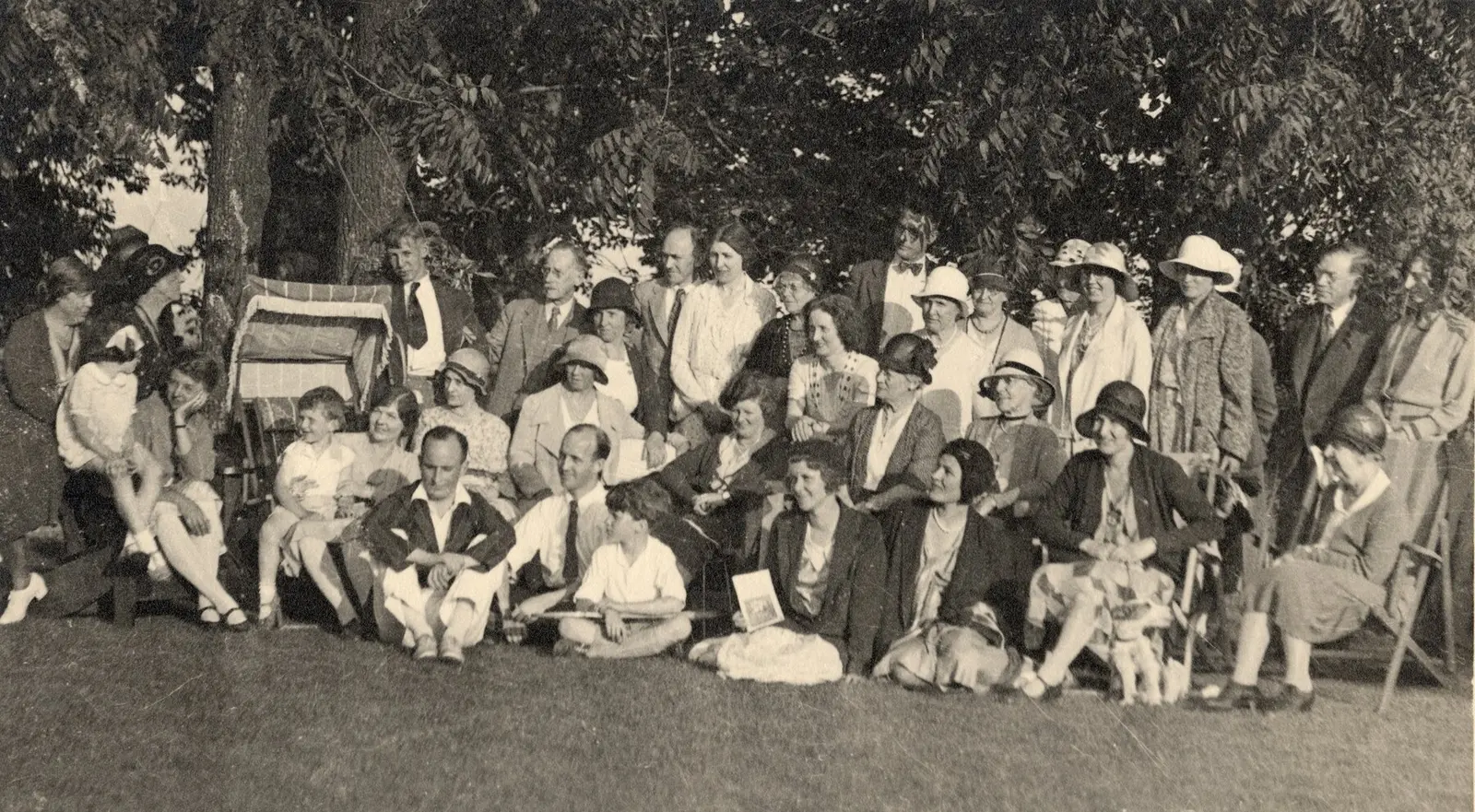
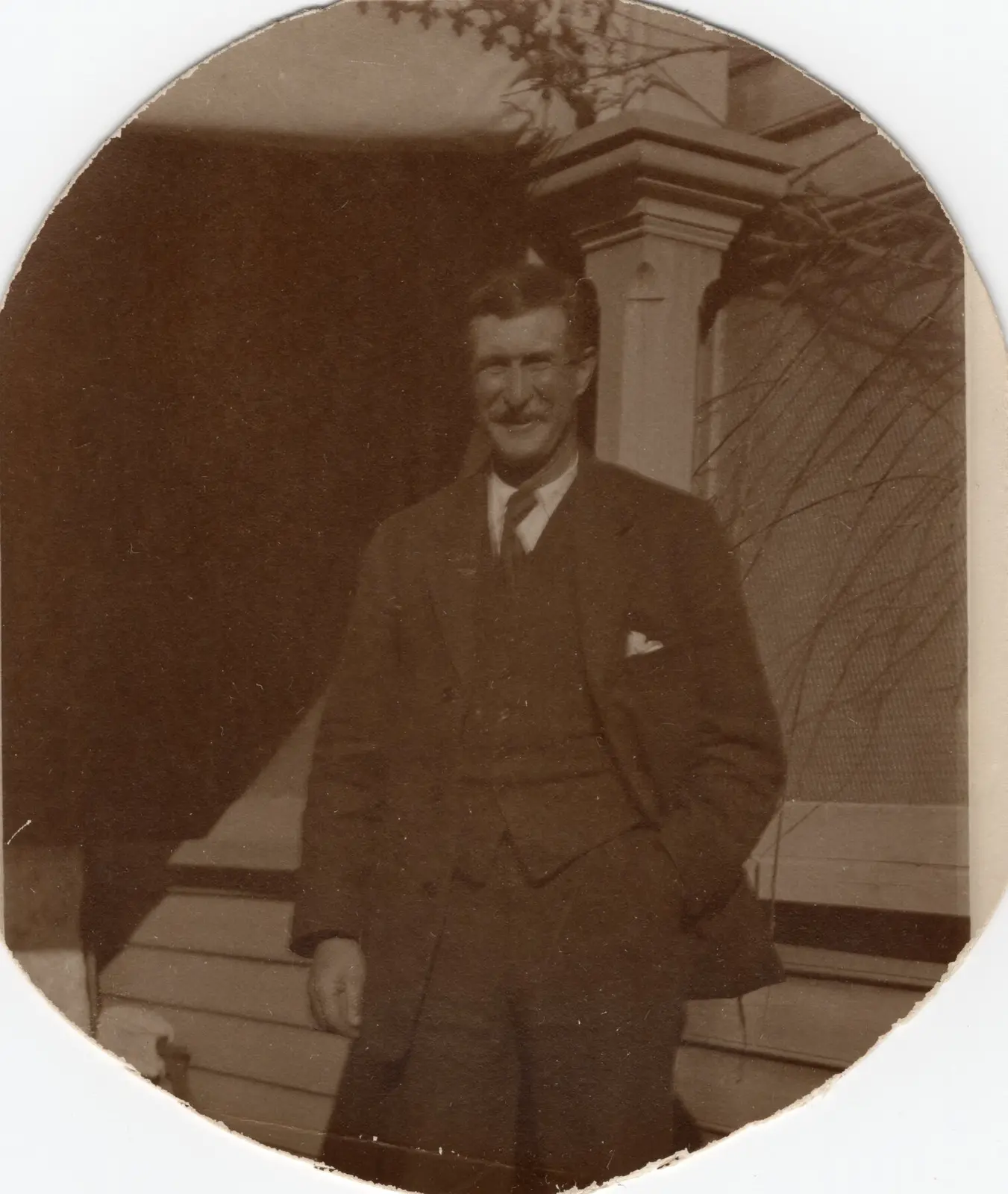
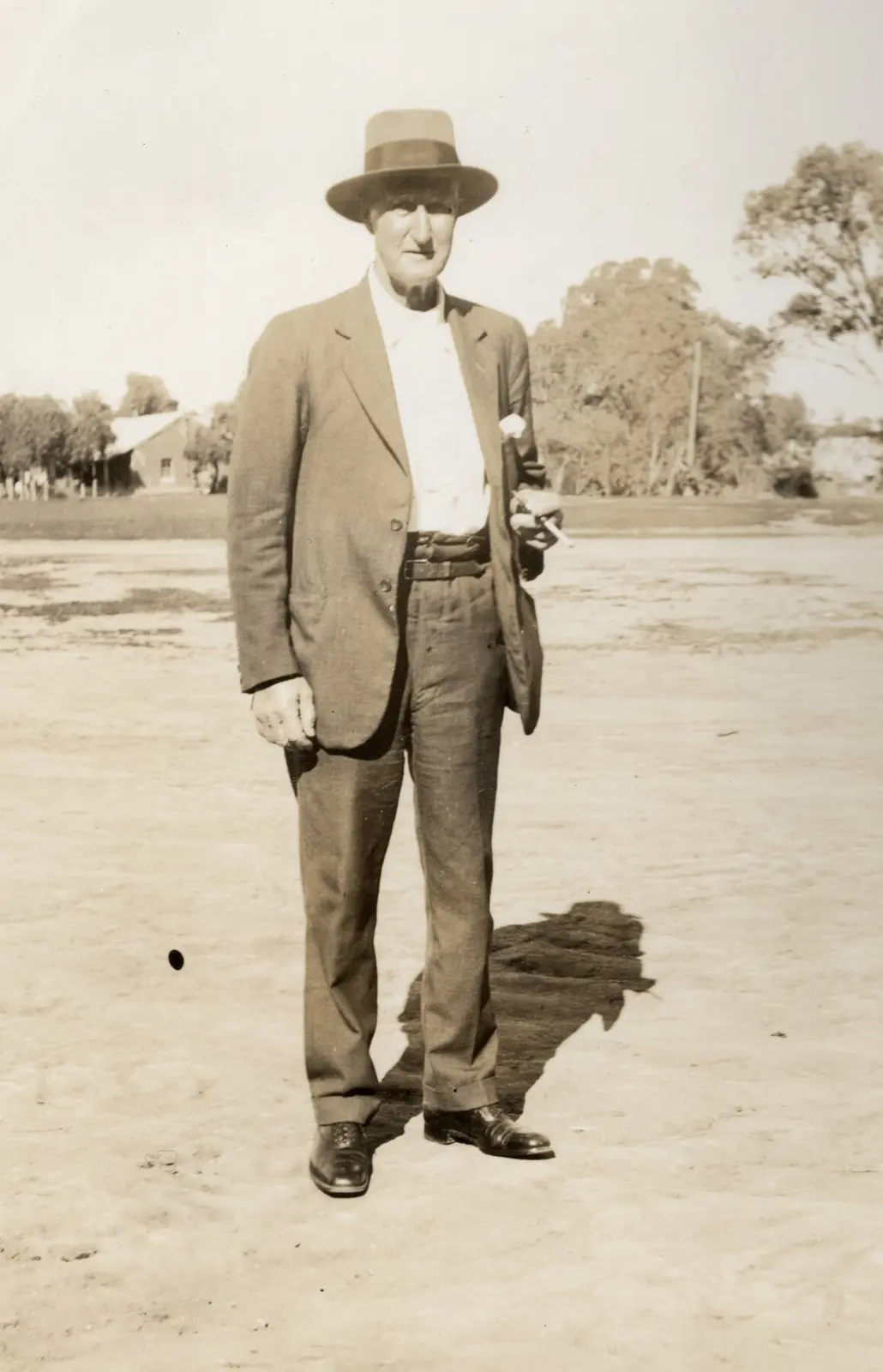
6 photos — click any image to browse full gallery
Station Life in the 1920s and ’30s
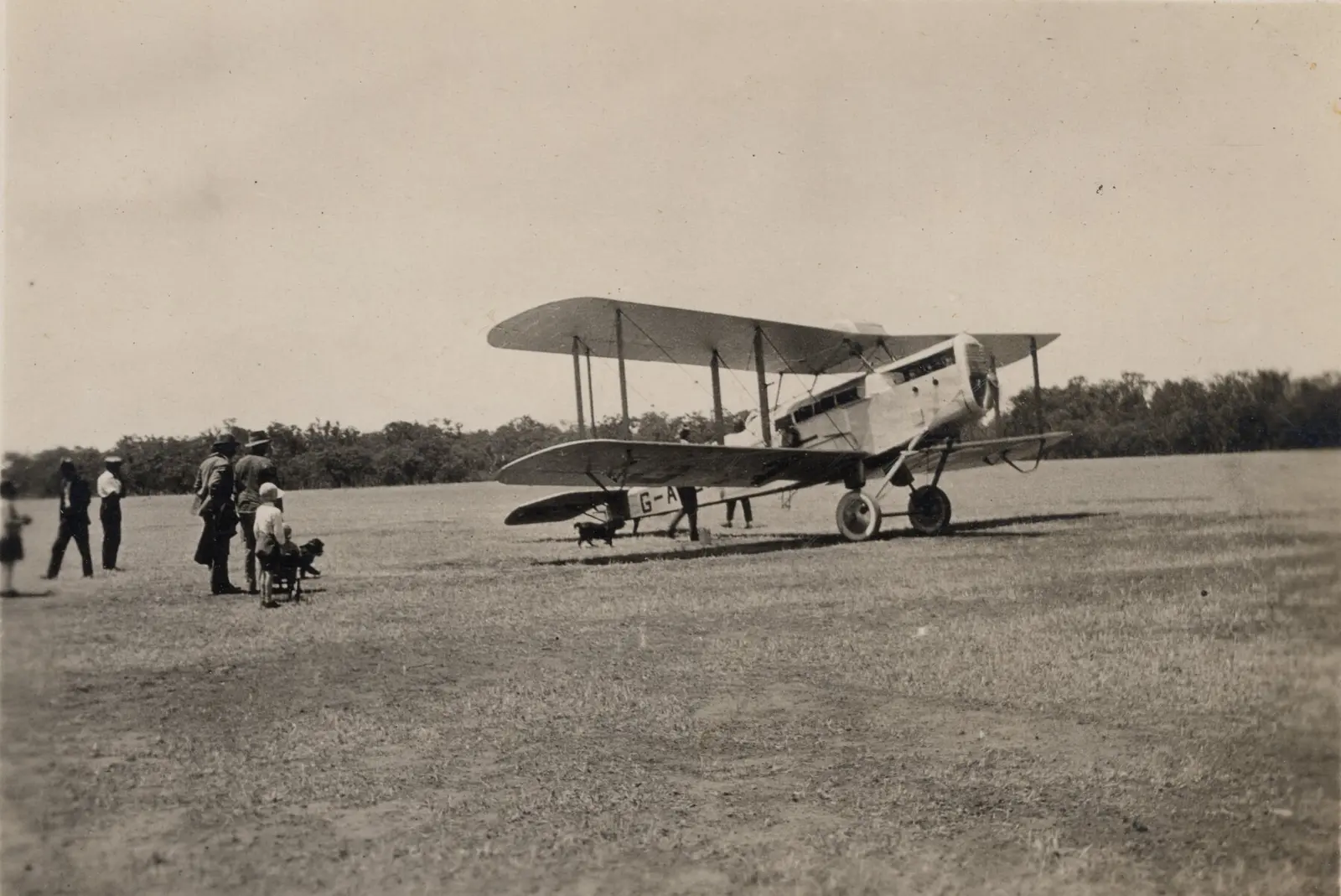
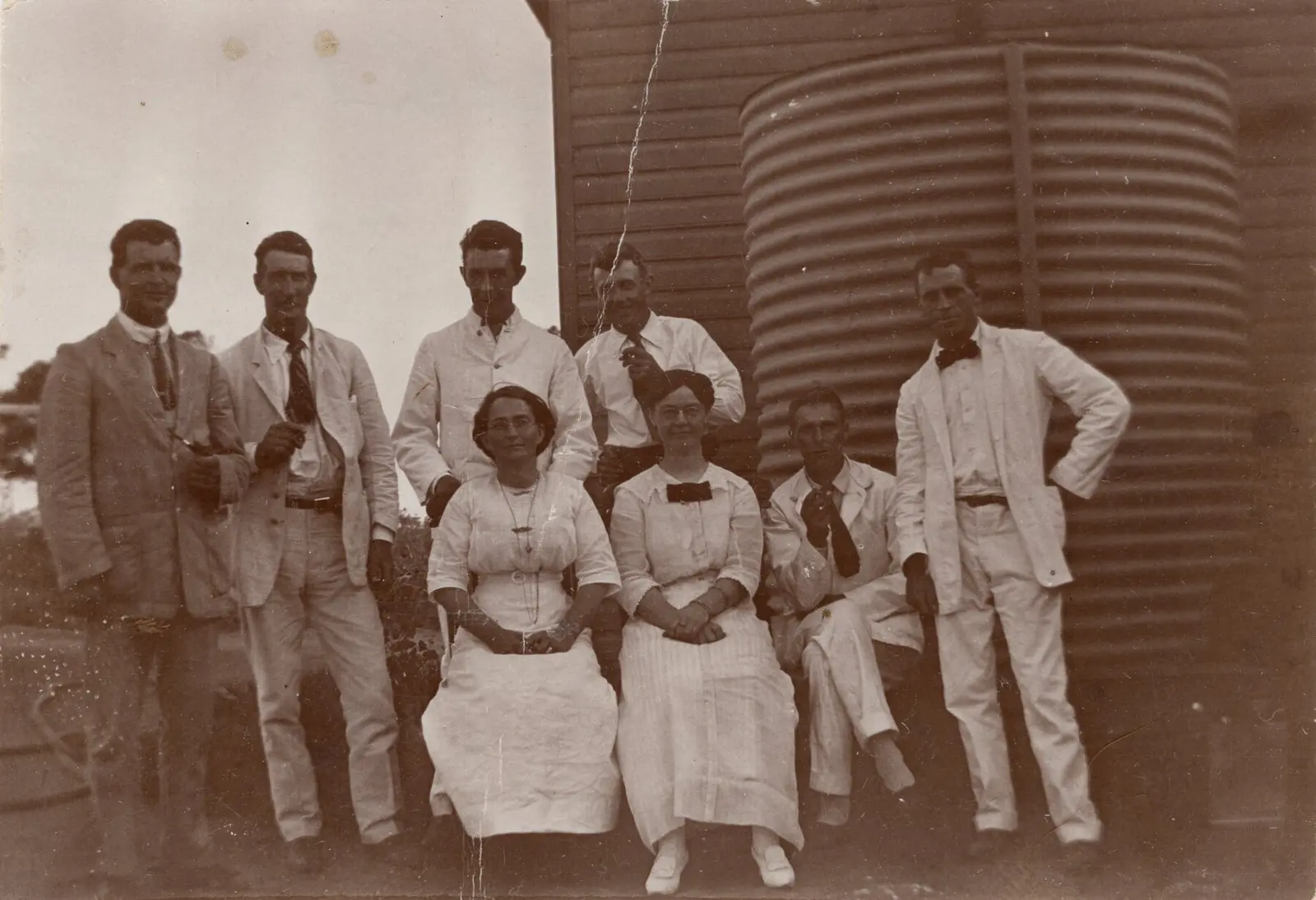
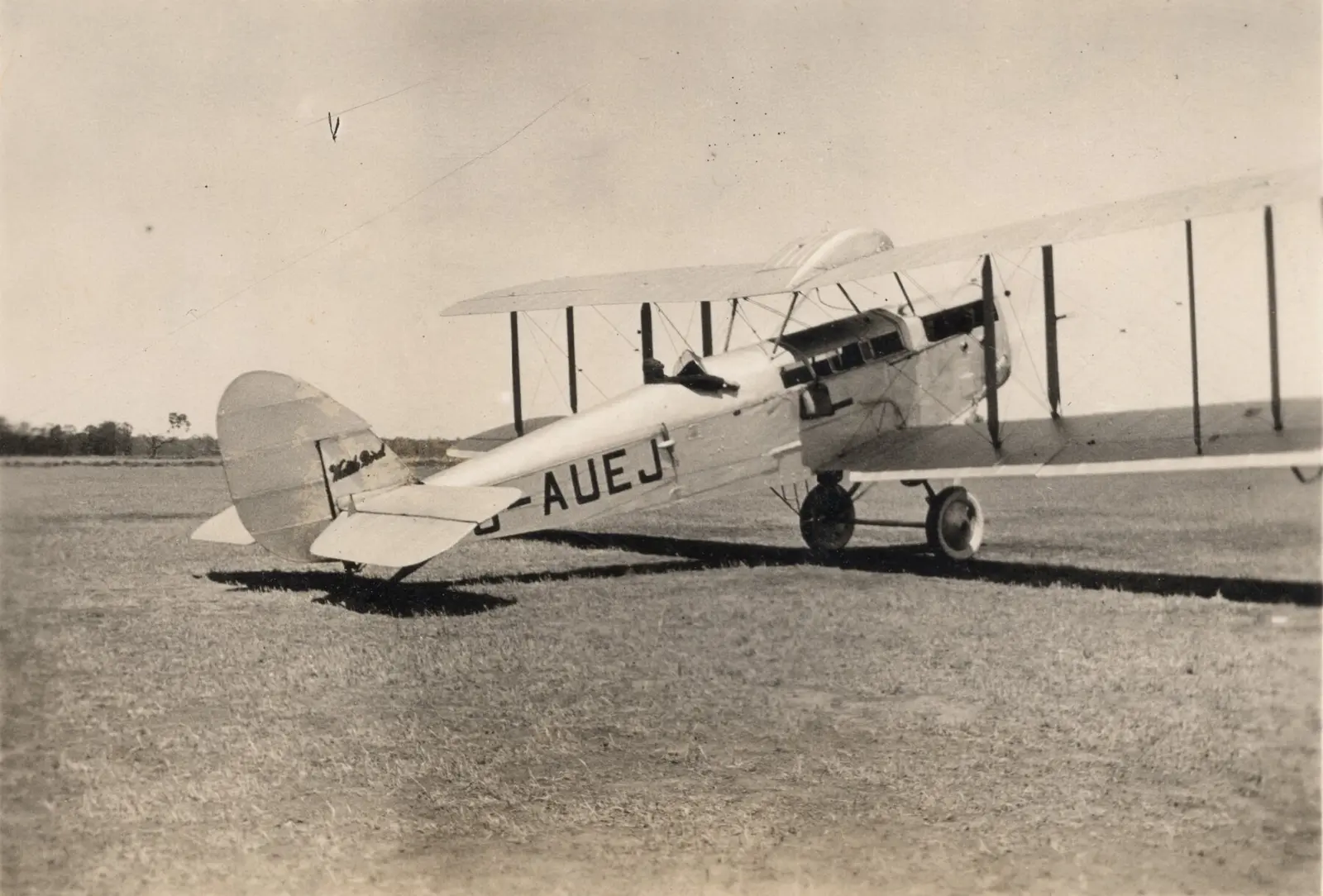
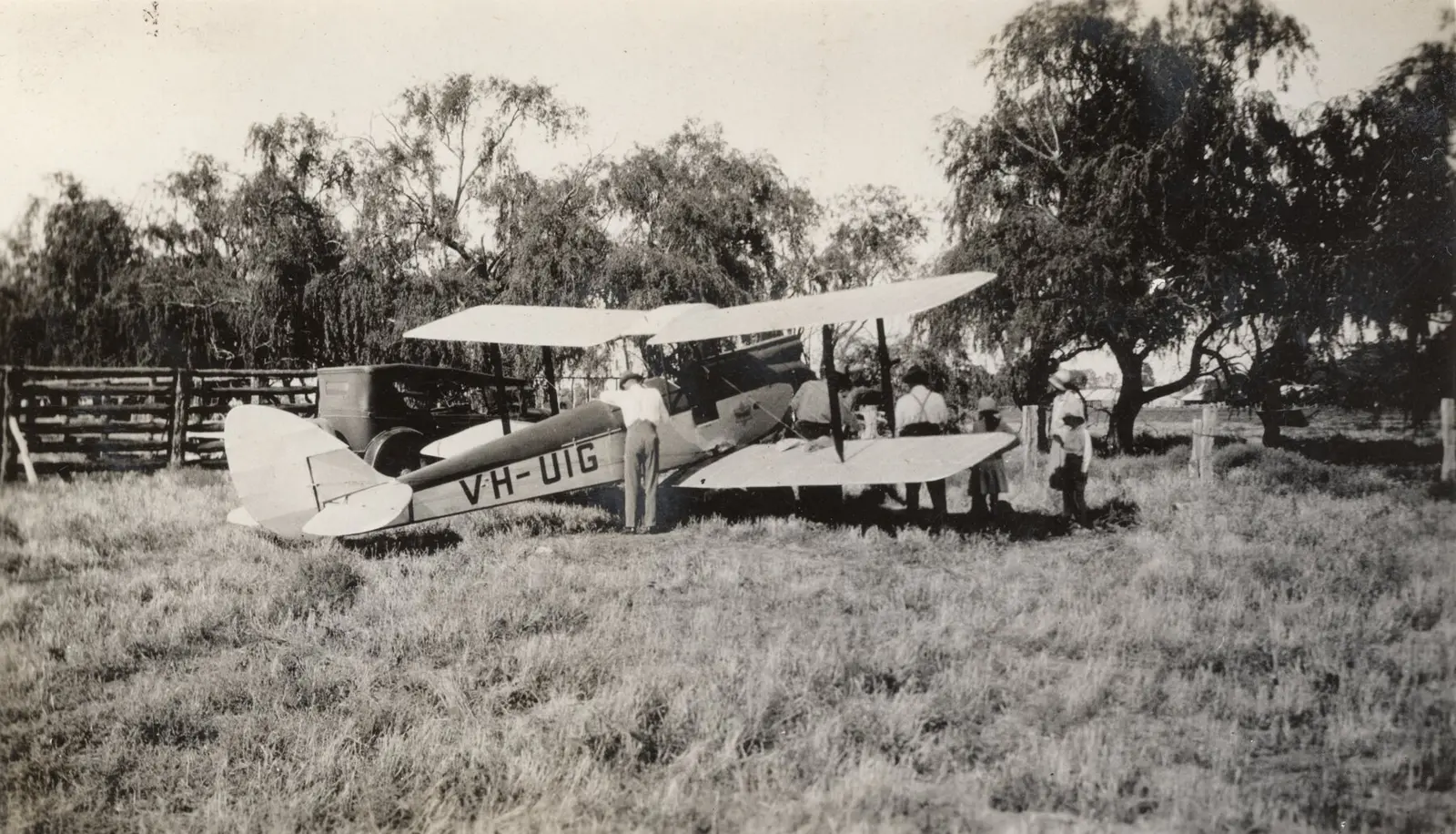
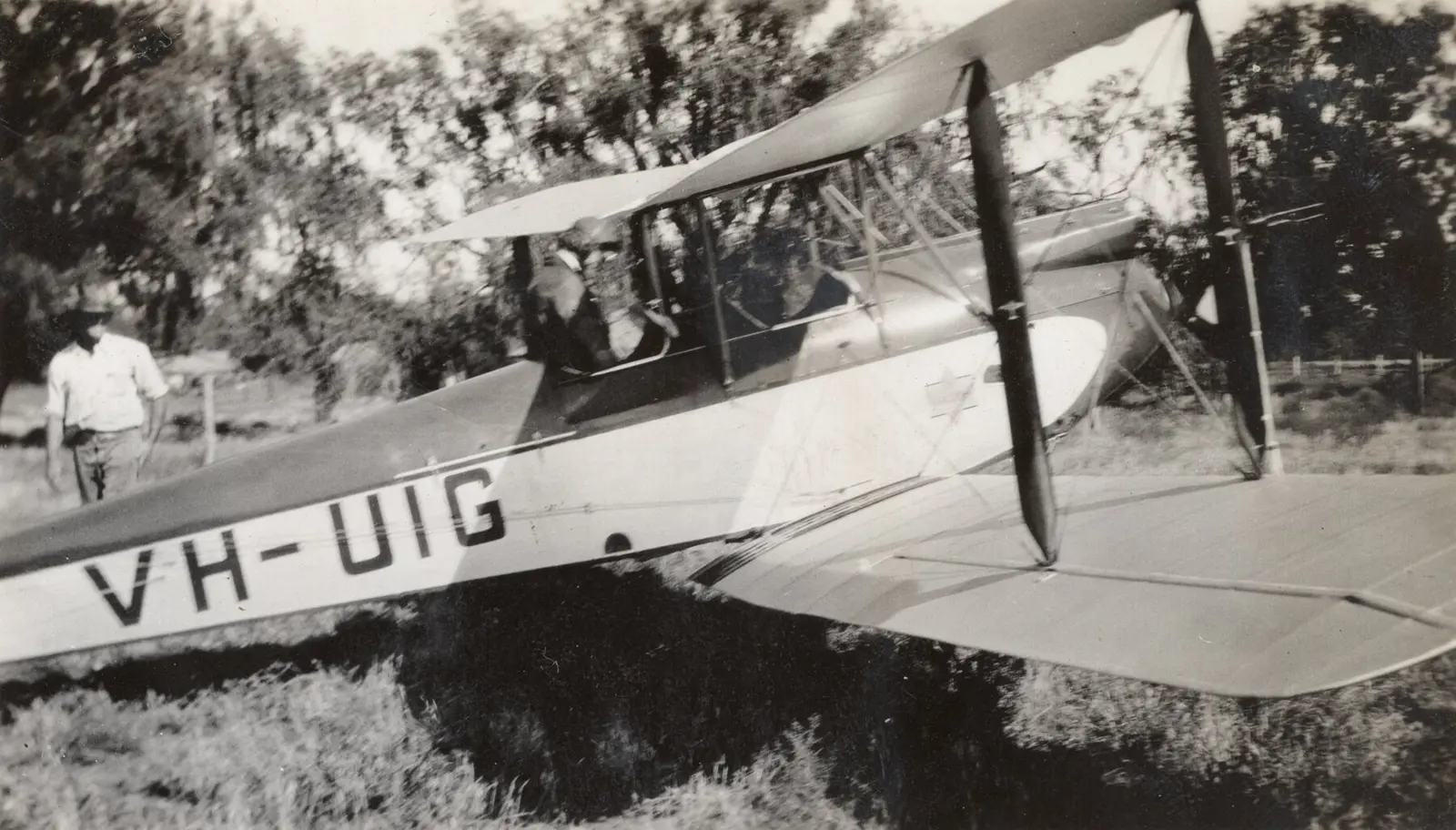
Photographs from these years show the McBratneys and the Robertson family — Toganmain’s owners — together often enough at the homestead to suggest a genuinely warm relationship between the two families, though not every face in every photo can be identified with certainty at this distance. One 1928 photograph shows the McBratneys seeing the Robertsons off from Toganmain as they flew south to attend the Melbourne Cup — a nice echo, given what we now know of Ethel’s own family history and the very first Cup winner bred on their land. The return flight didn’t go entirely to plan: the plane came down short of home, though thankfully without injury to anyone aboard, which is presumably why the photographs of it survive at all.
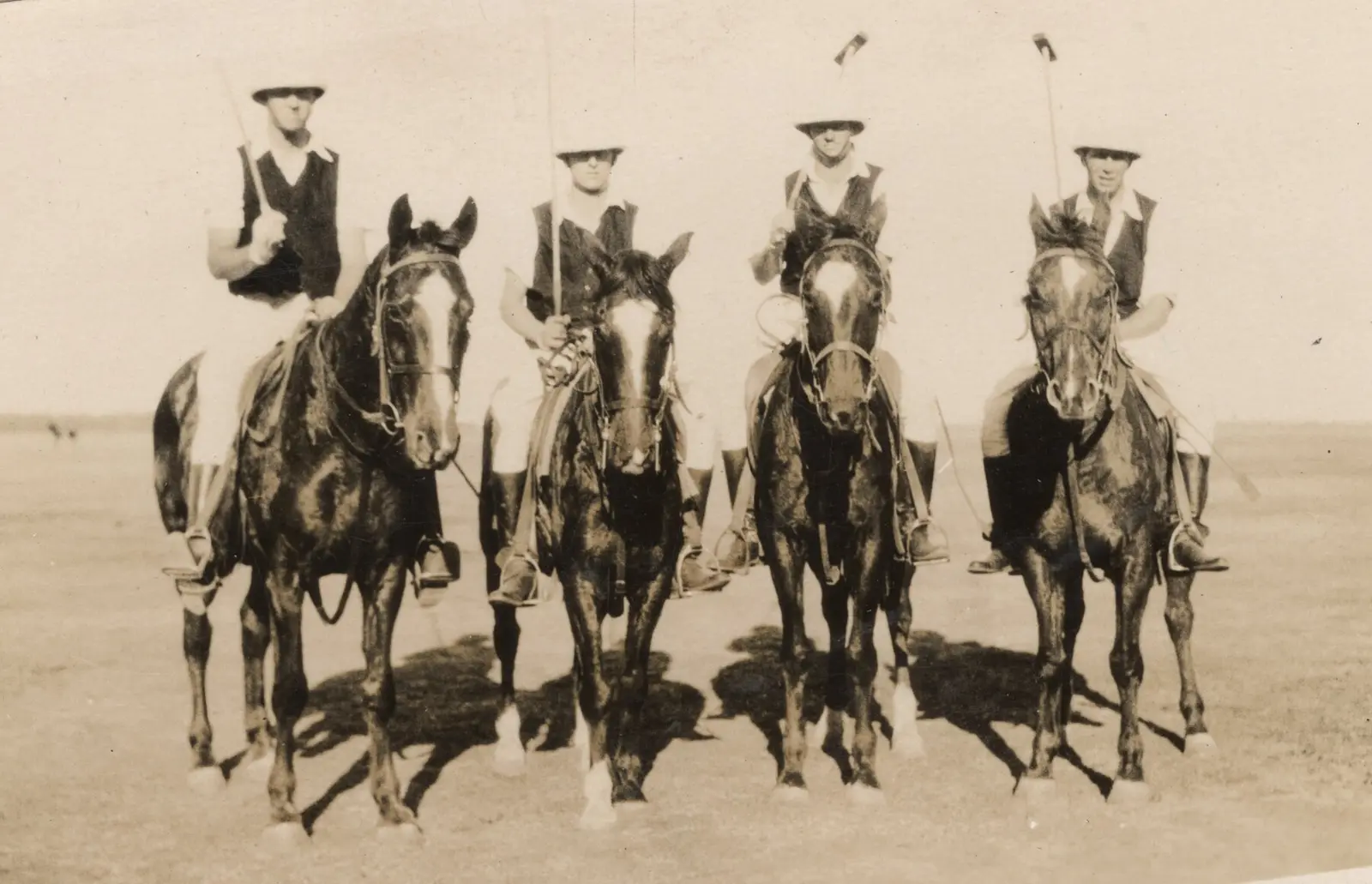
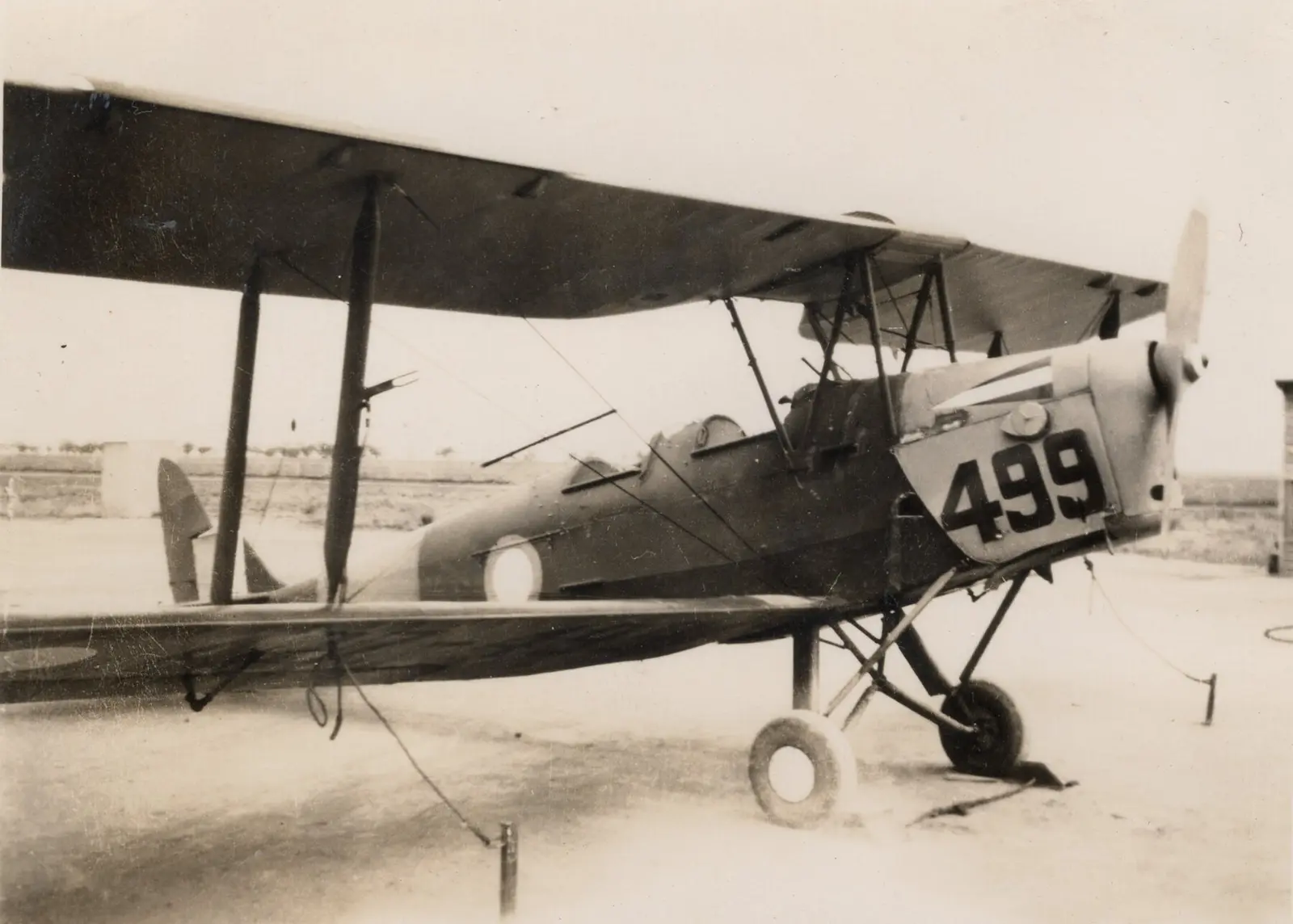
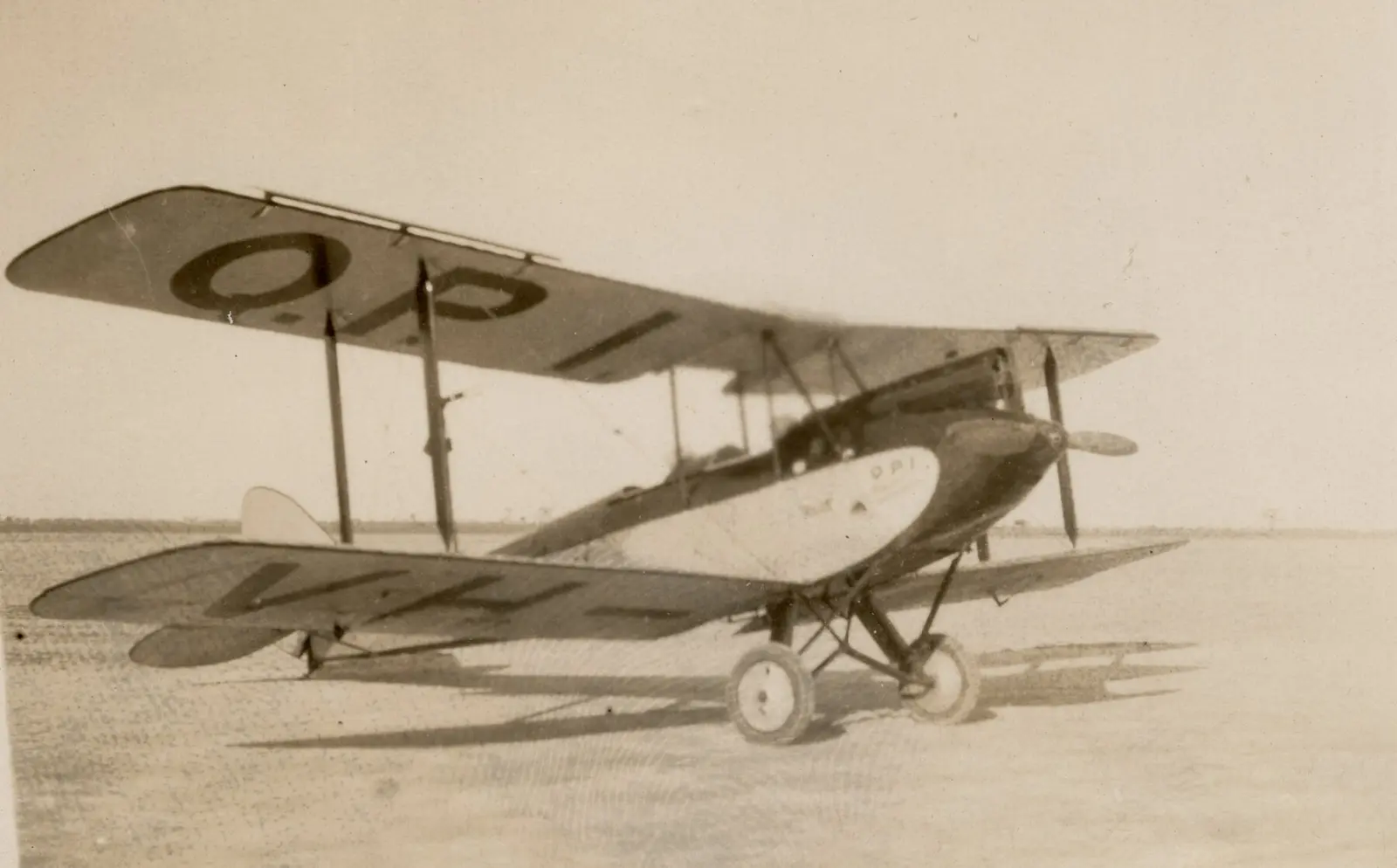
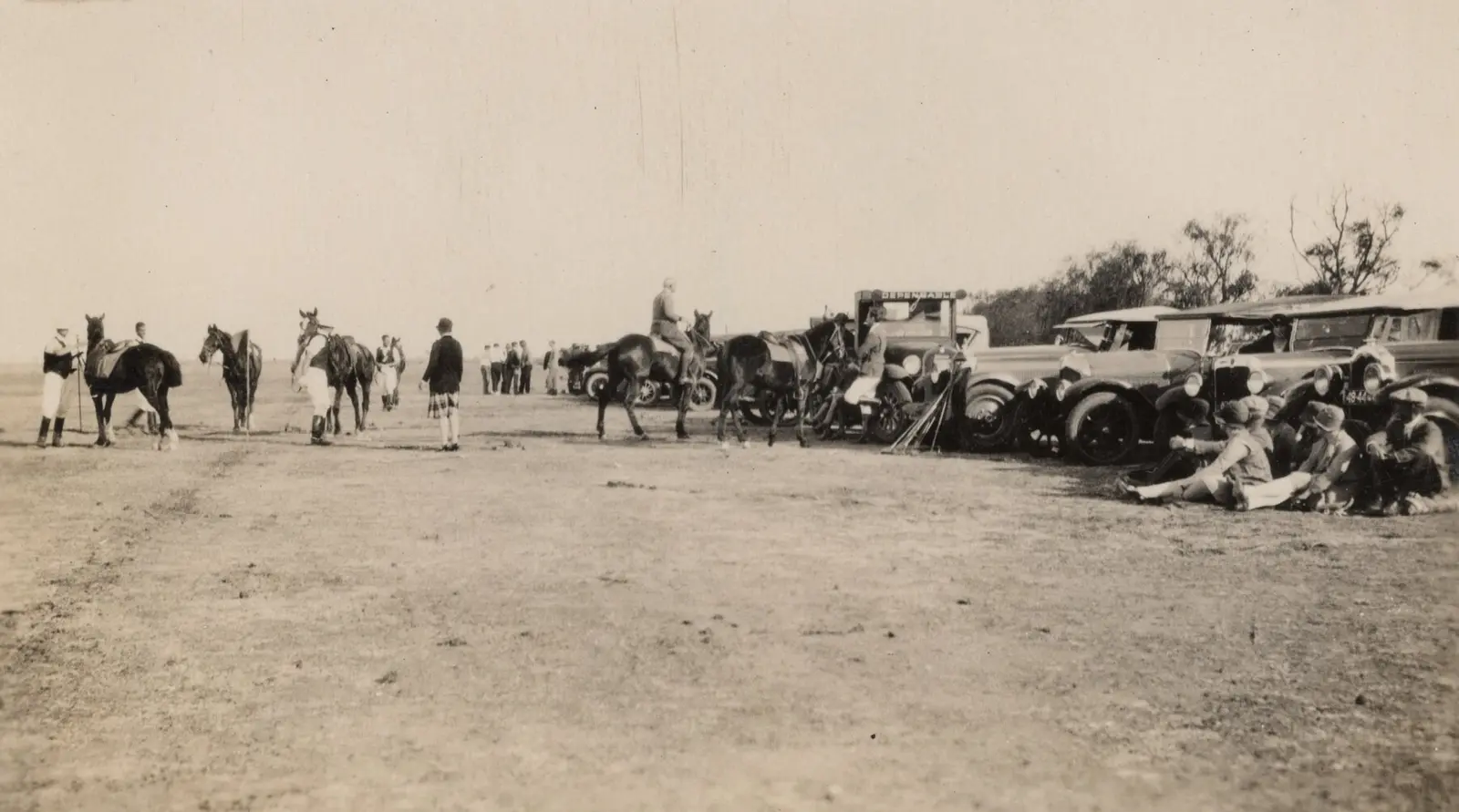
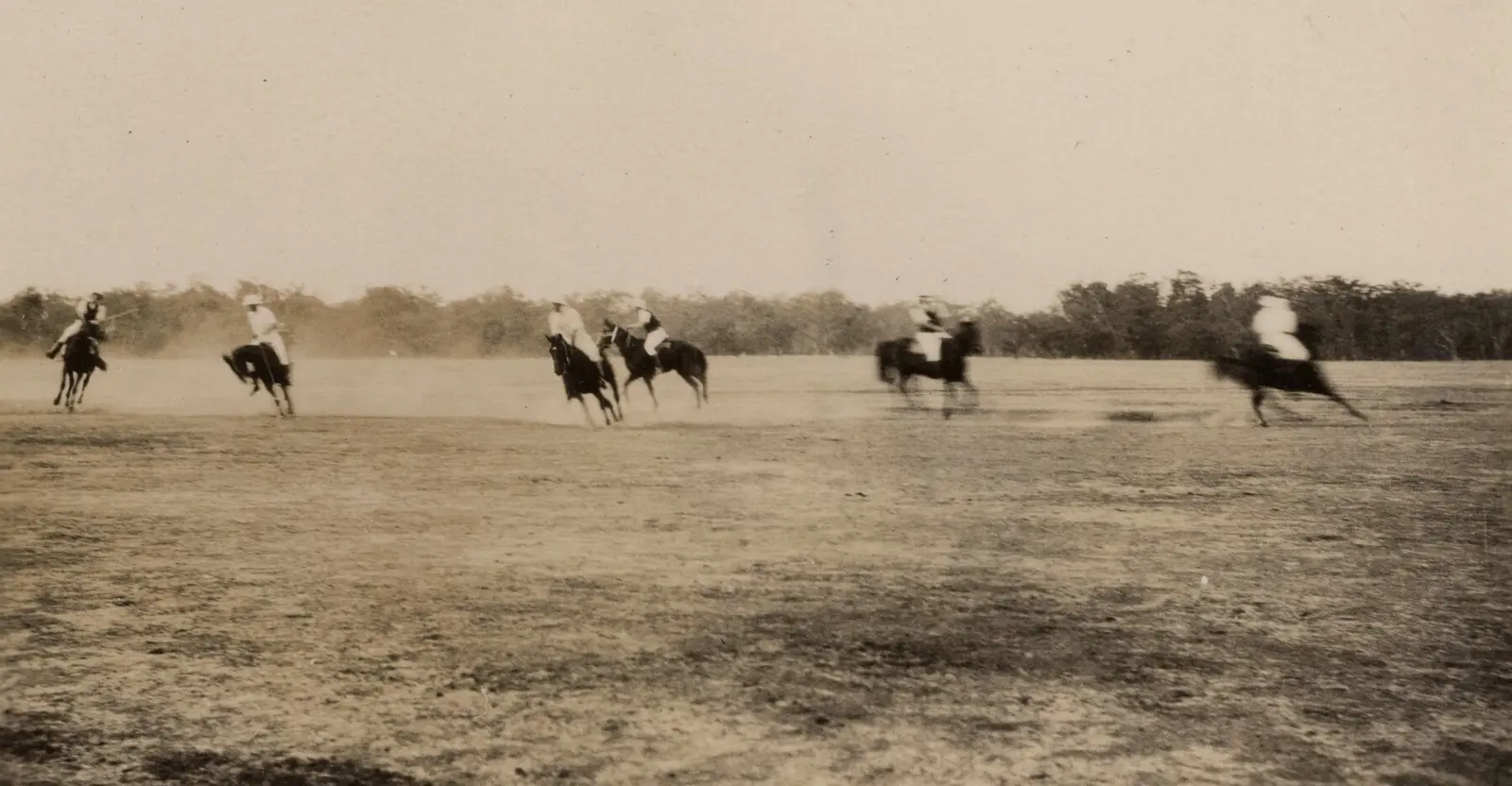
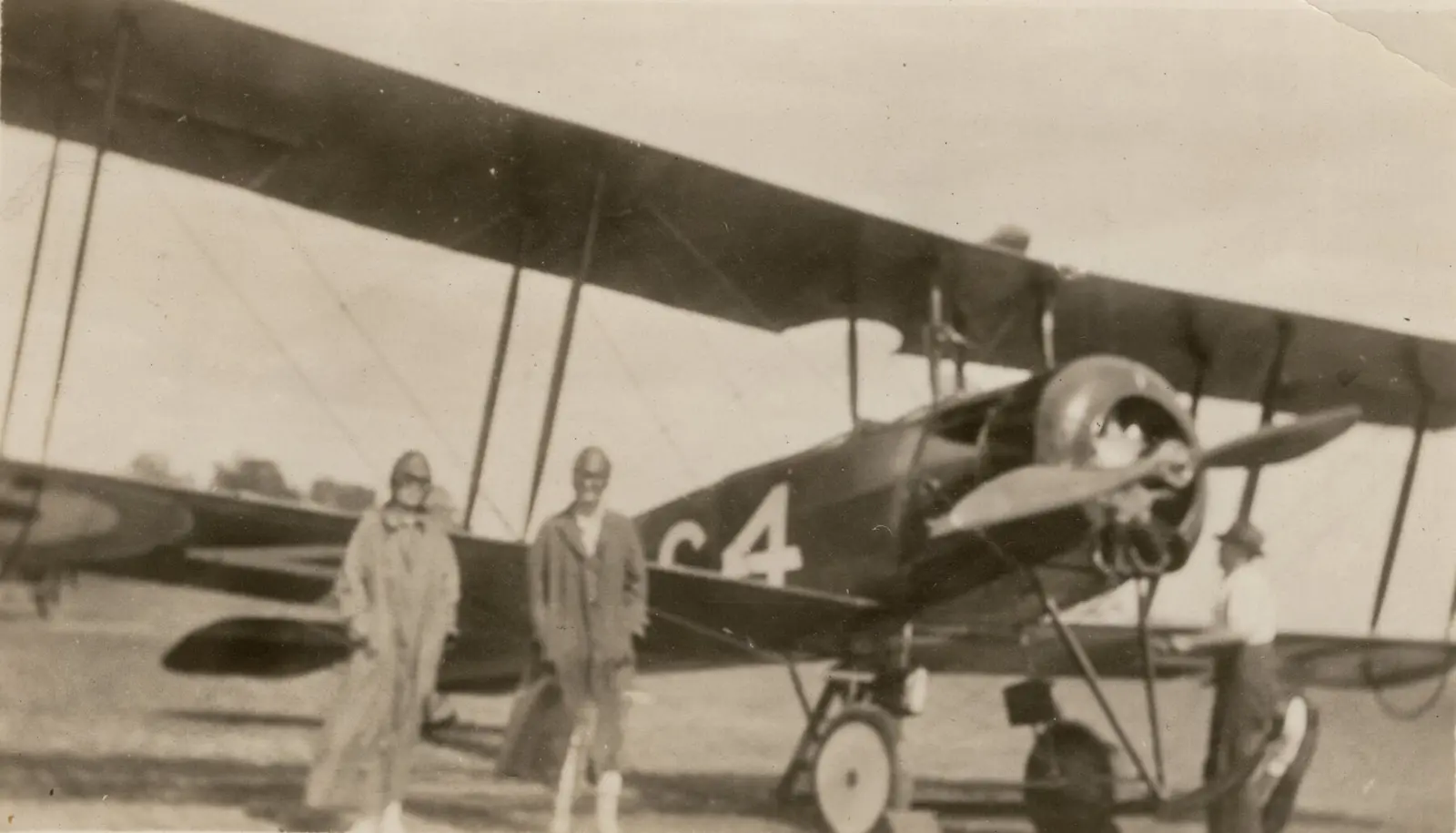
Toganmain seems to have had a standing habit of visiting aircraft through this period — Colonel Johnson and Sir P. Morsen’s plane touched down in 1931, and other light aircraft appear in the family album at various points across the decade. Sport gets a look-in too: Toganmain fielded a polo team that beat neighbouring Widgiewa Station, captured mid-match, mallets up.
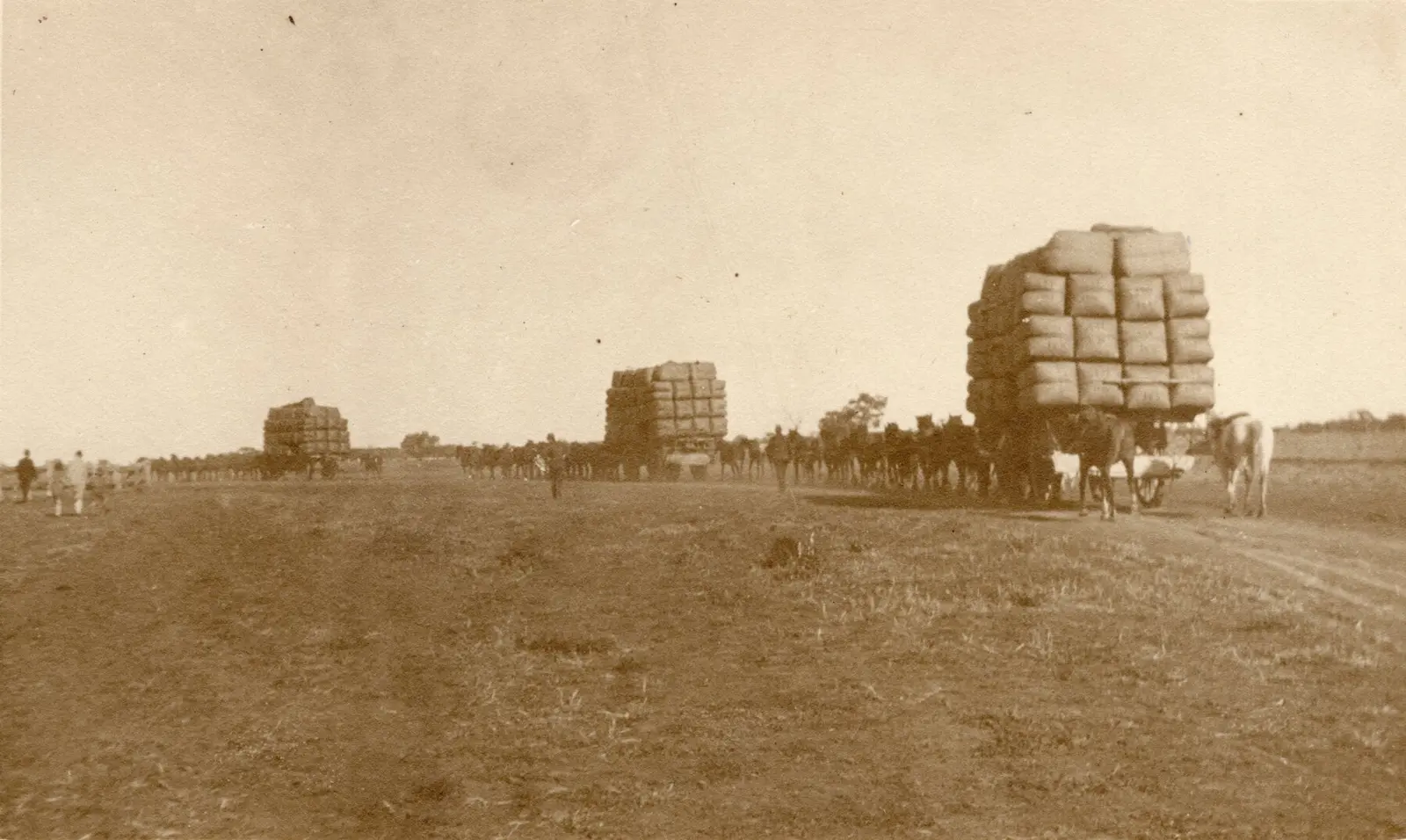
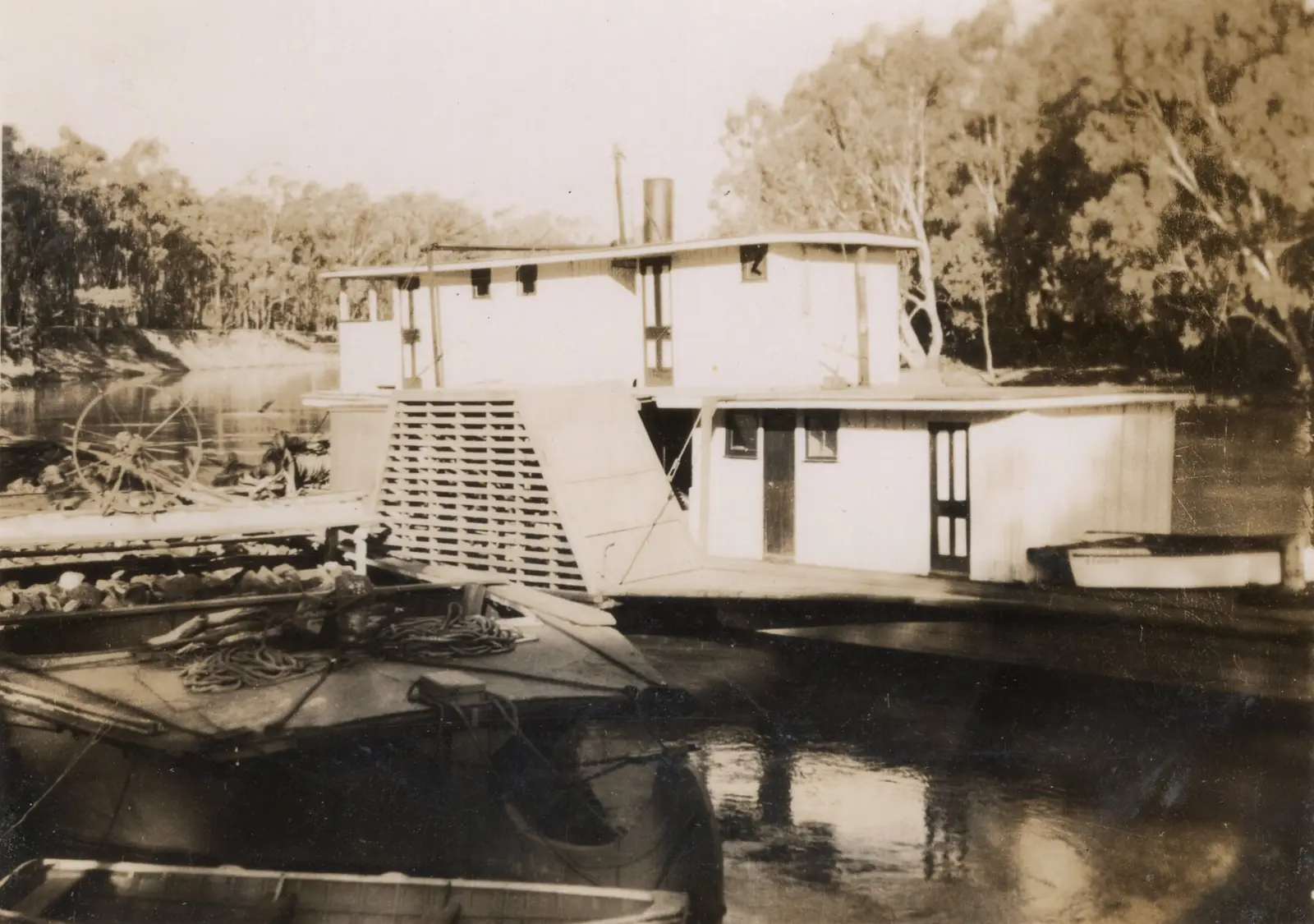
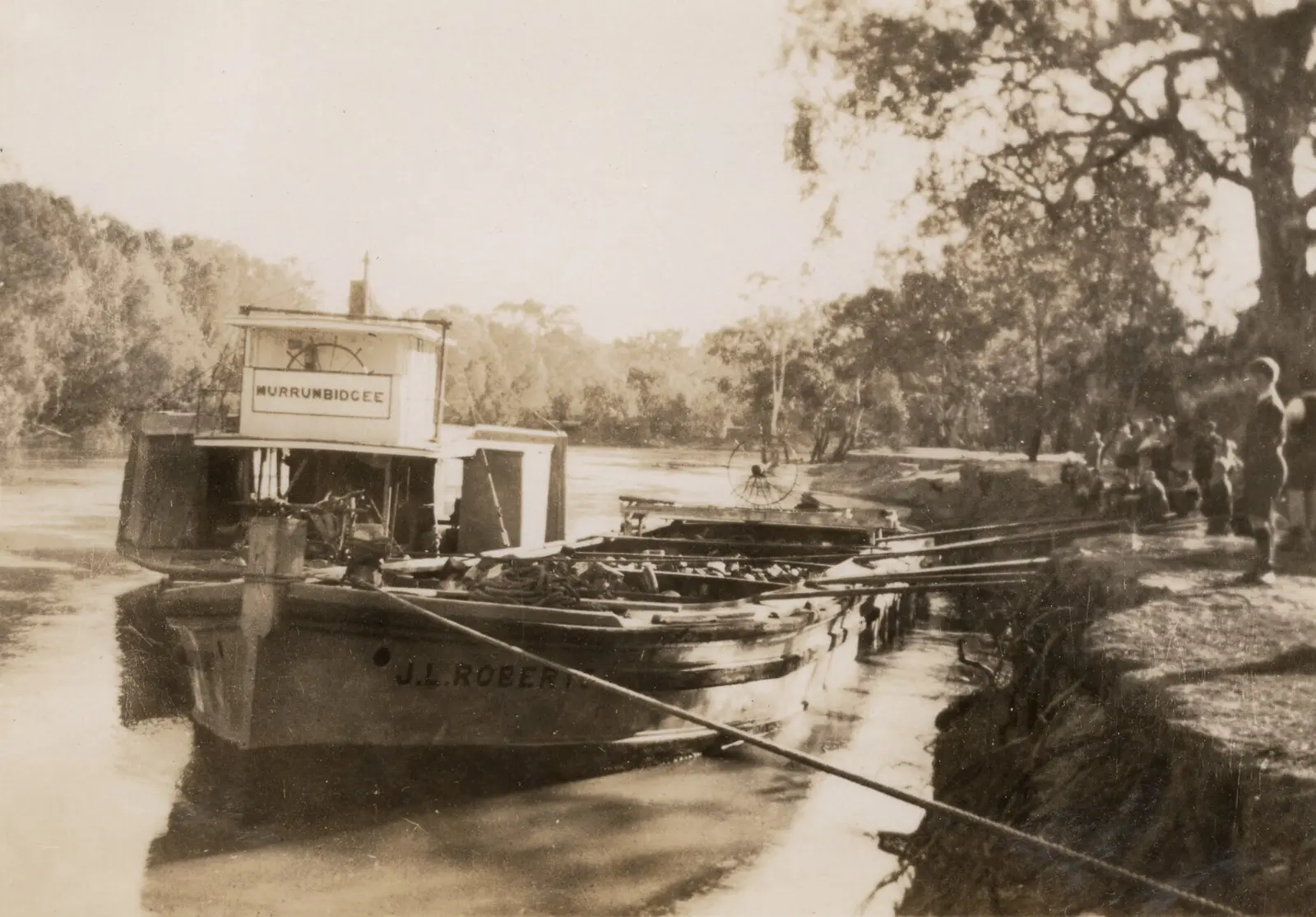
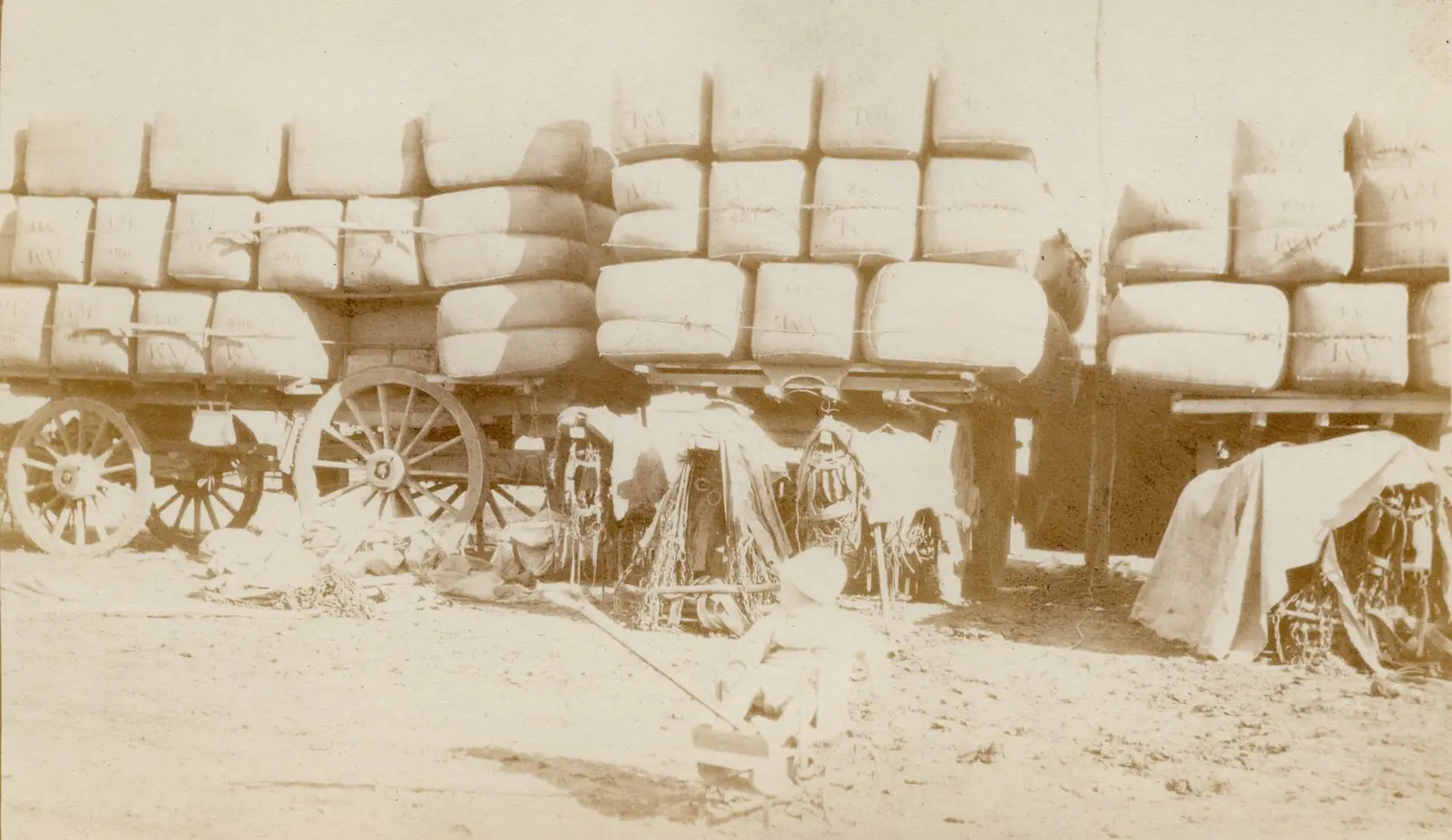
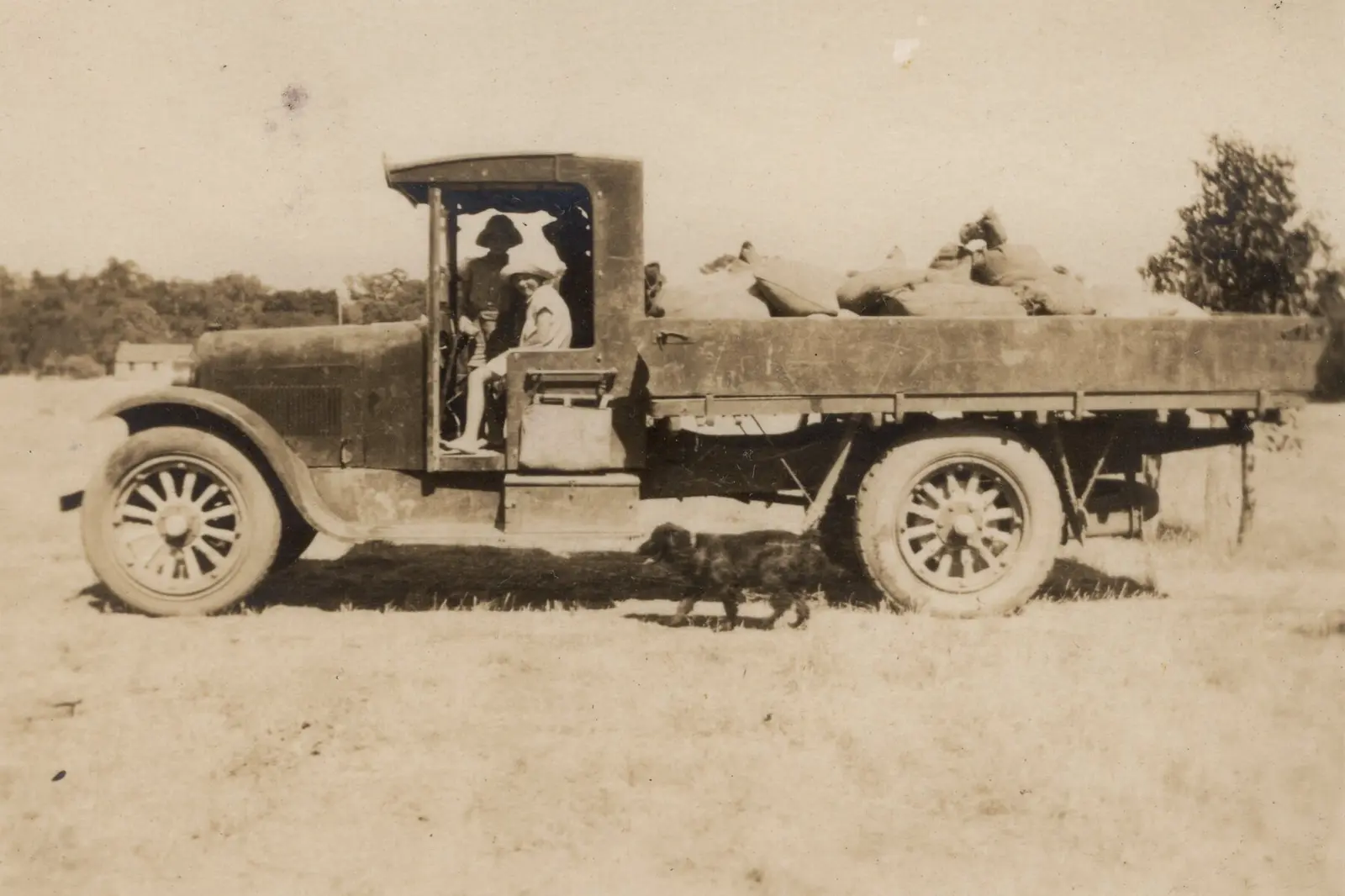
And, of course, there was wool. Fifteen-horse teams hauled wagons stacked with as many as seventy bales at a time; a flying fox was rigged high over the Murrumbidgee to carry wool across the river without a punt; and punts themselves ferried sheep and cattle where the river had to be crossed the ordinary way.
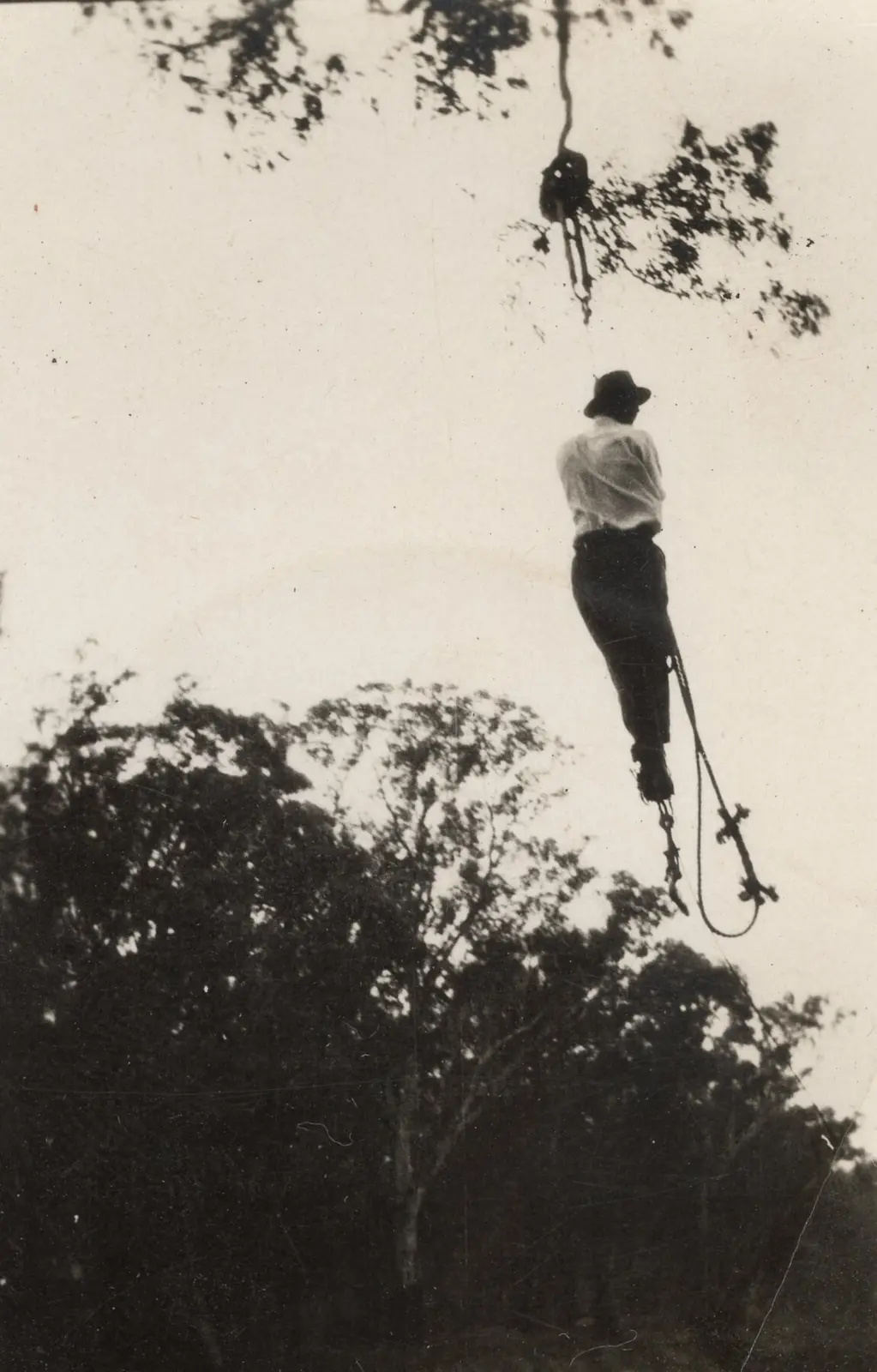
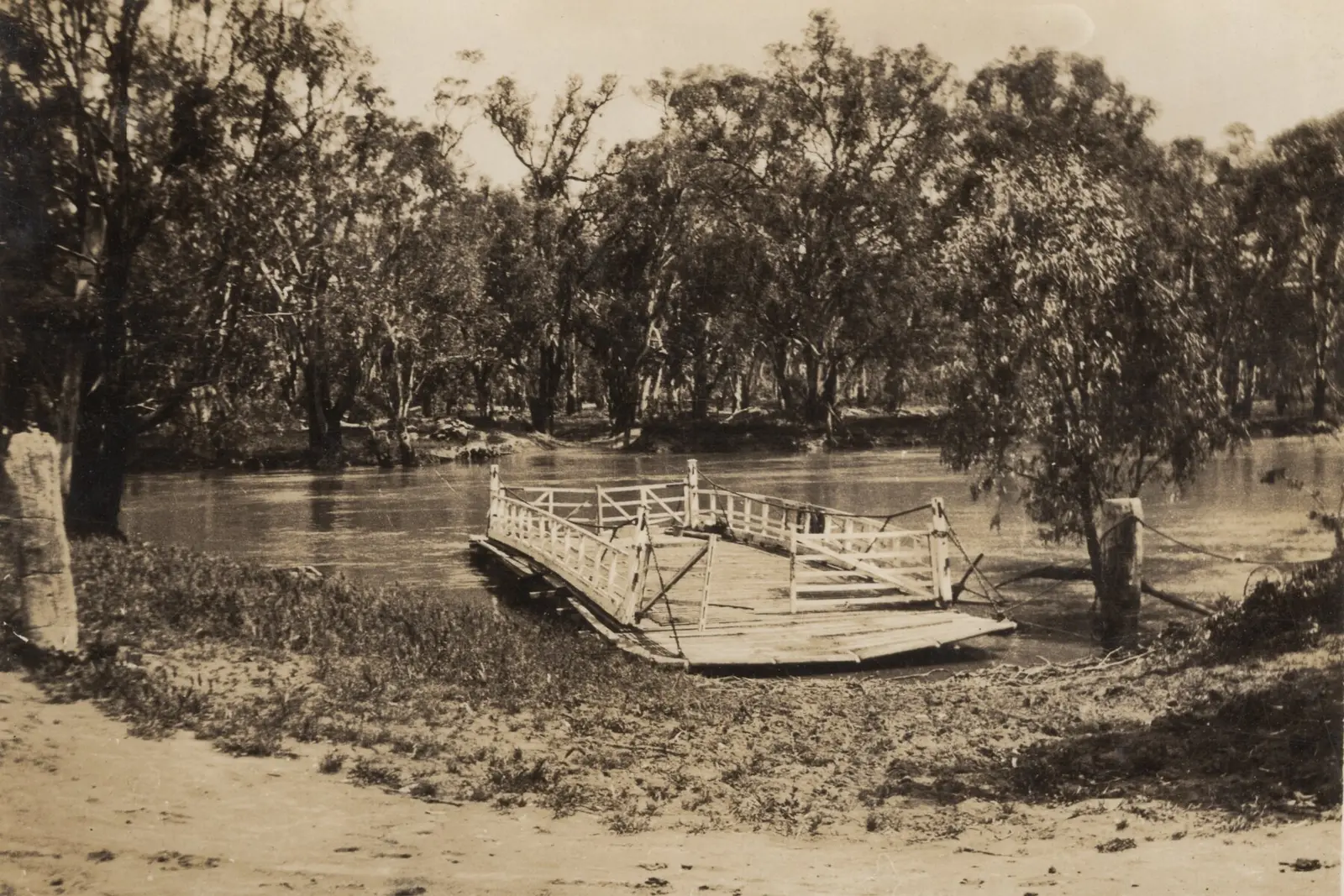
6 photos — click any image to browse full gallery
The Next Generation
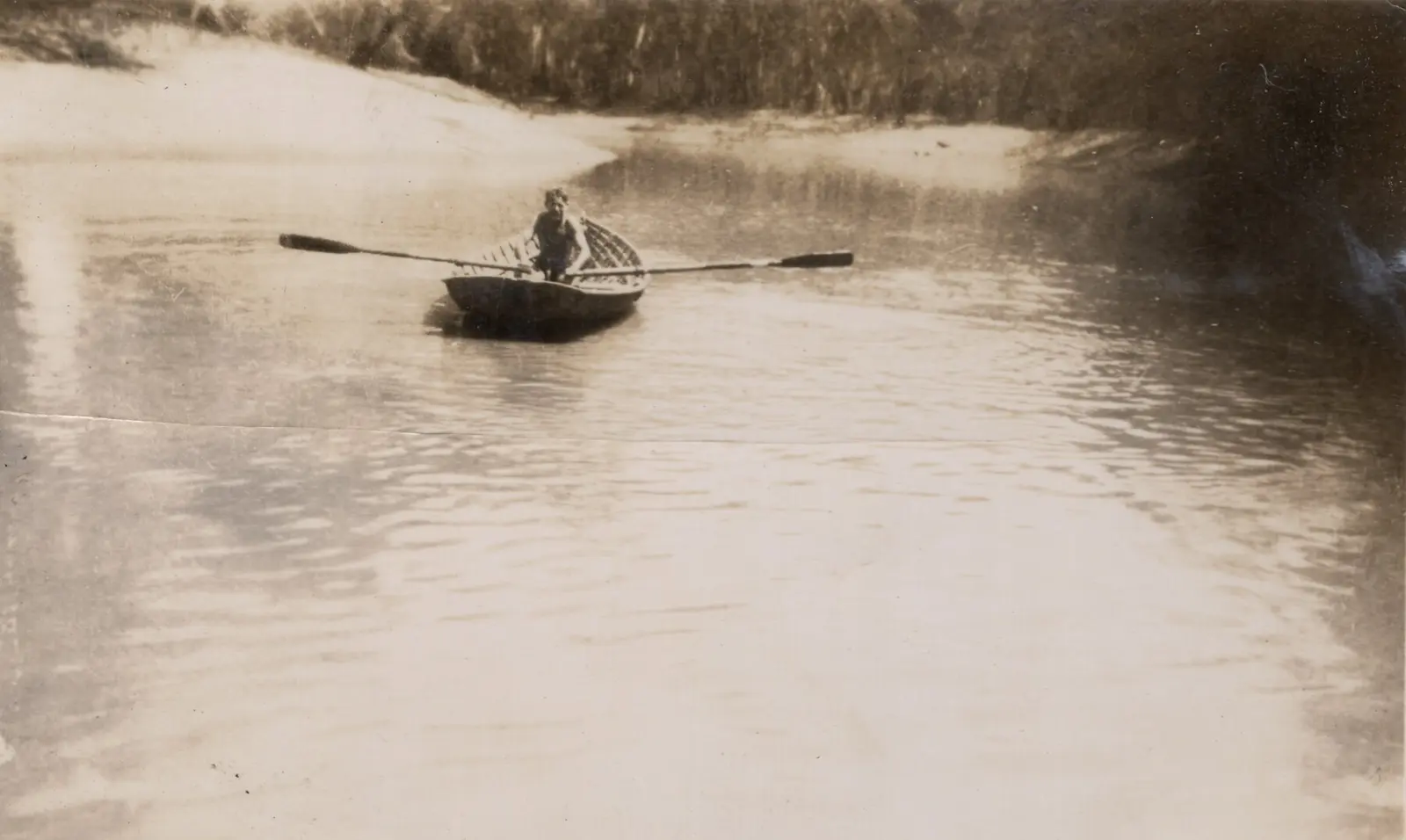
This is where Bill enters the story properly. Born in 1927, the youngest of the three McBratney children, he shows up in the family album as a toddler within a year or two — almost certainly the “baby boy” the 1928 diary mentions in passing. One photograph from that year catches Jack in the garden with a beaming older child and a bald, unmistakably one-year-old baby who has to be Bill; another shows all three children — Arn, John Jnr and Bill — together, holding hands by a hedge. There are quieter, less staged moments too: the children playing in a sandy river bank, and family outings in the old Fiat.
John Jnr enlisted in the Australian Military in 1941, aged eighteen years and four months, and was killed in action in the last months of the Second World War, aged twenty-one — only sixteen days after disembarking on Morotai Island, Indonesia, on 16 April 1945. Private John McBratney is buried at Labuan War Cemetery, Labuan Island, North Borneo.
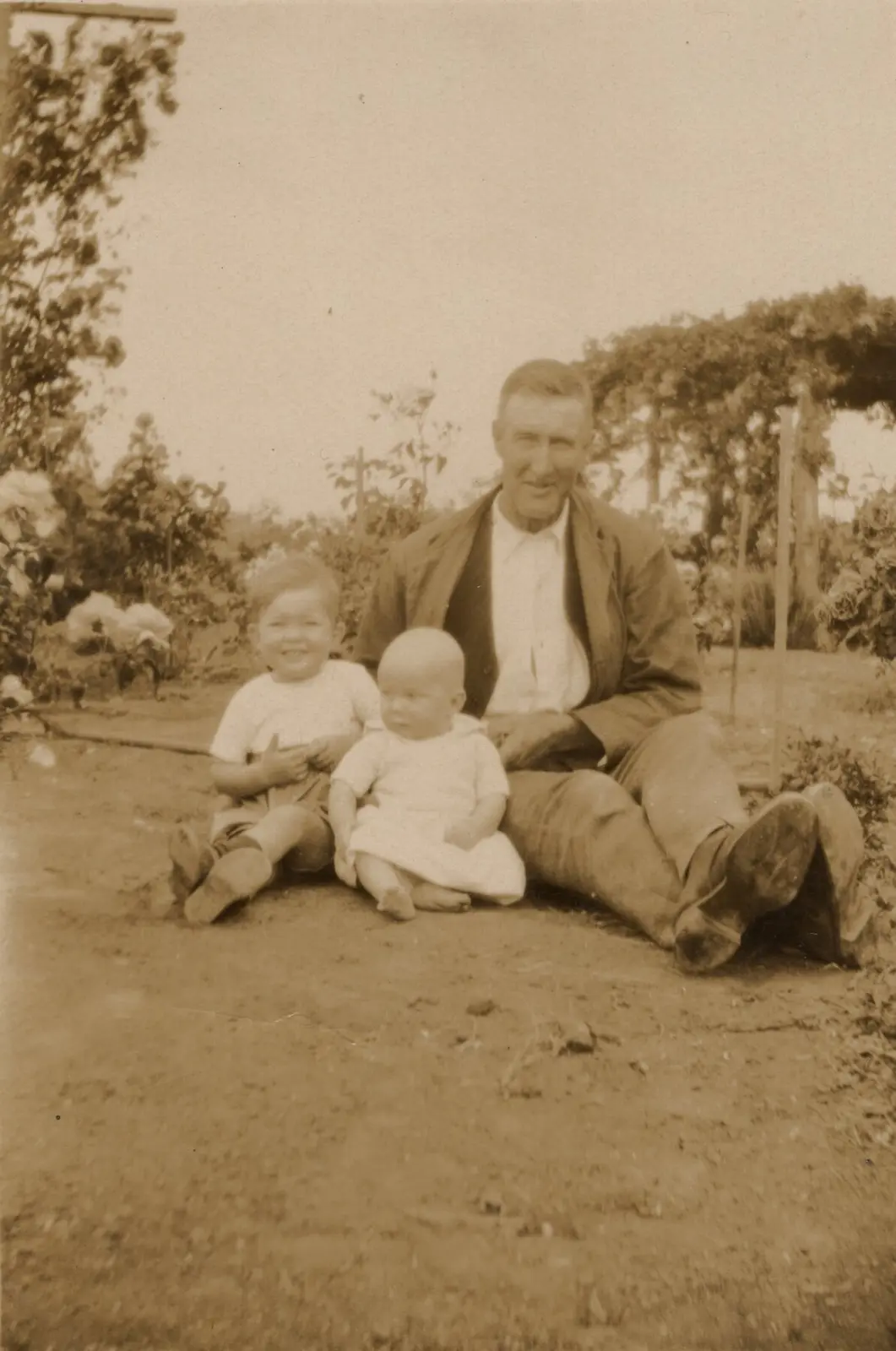
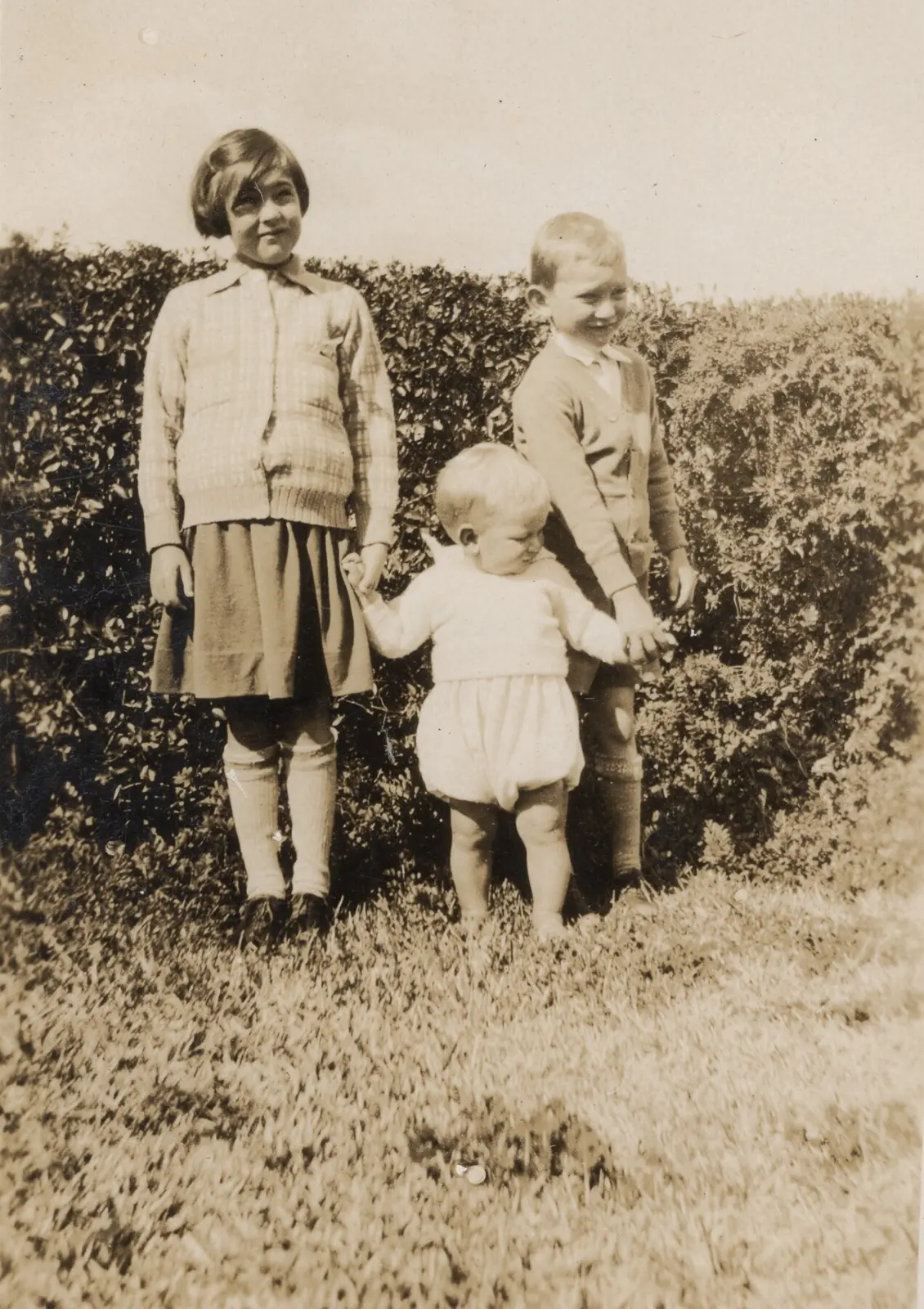
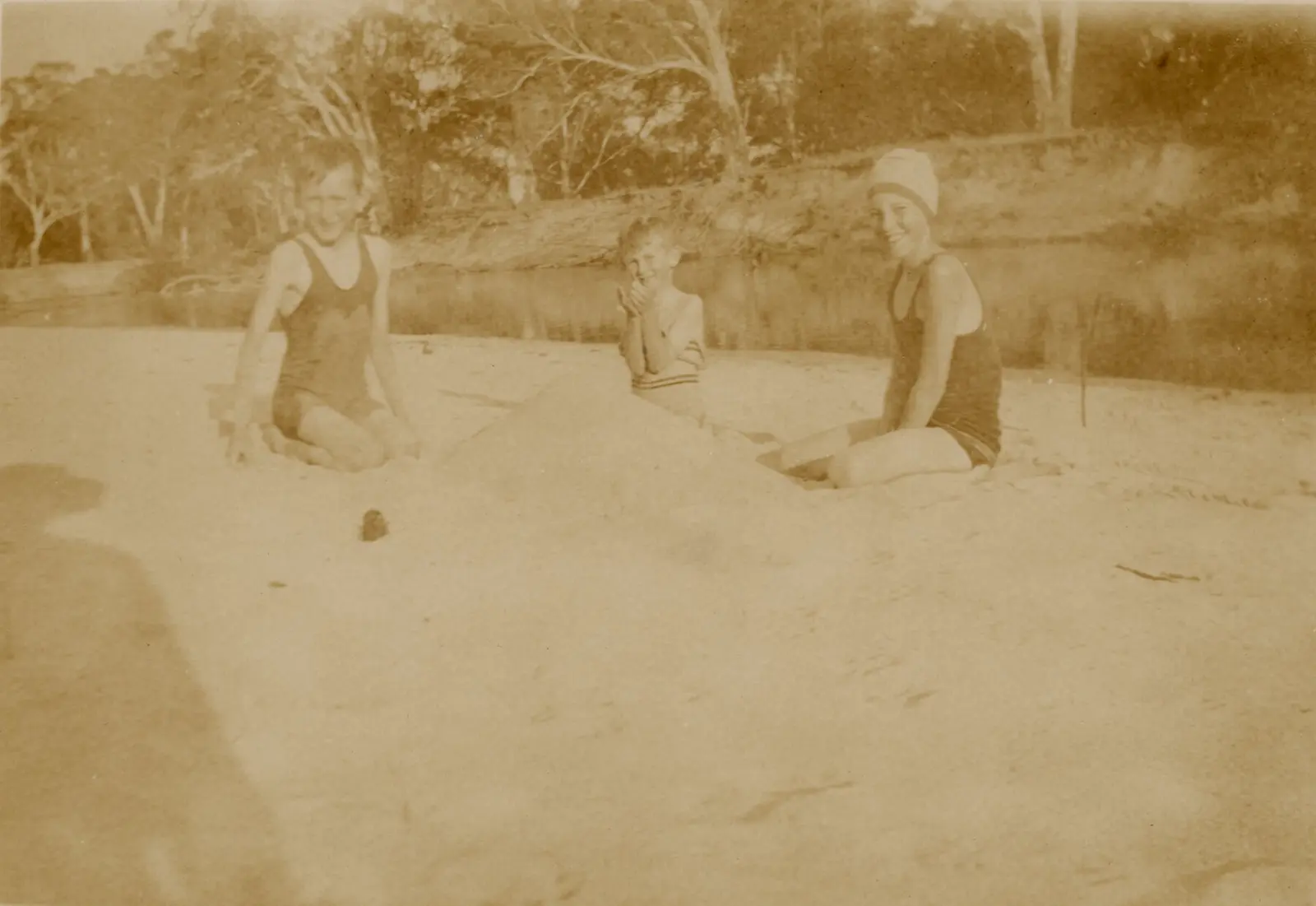
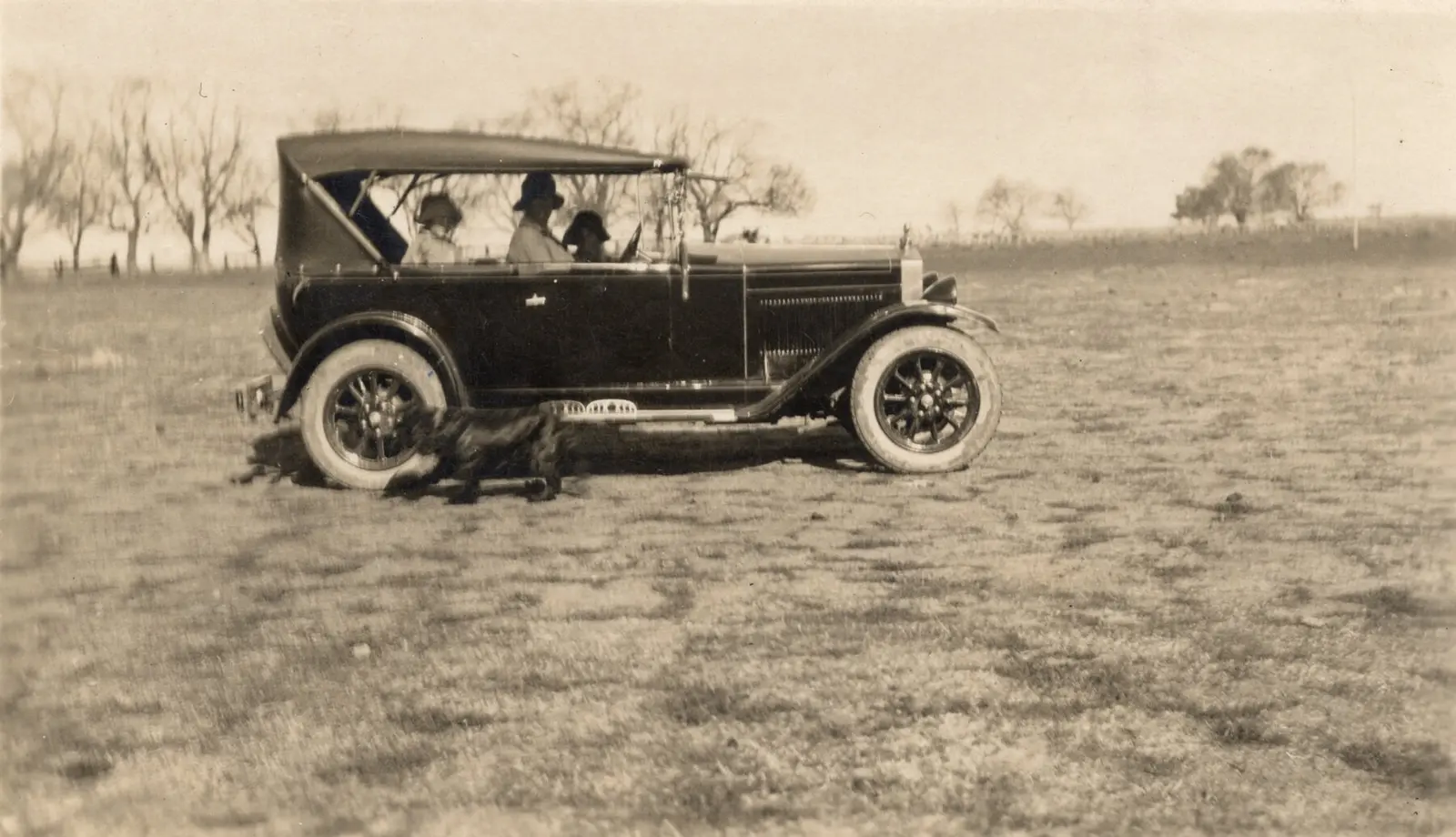
4 photos — click any image to browse full gallery
The Drought Years
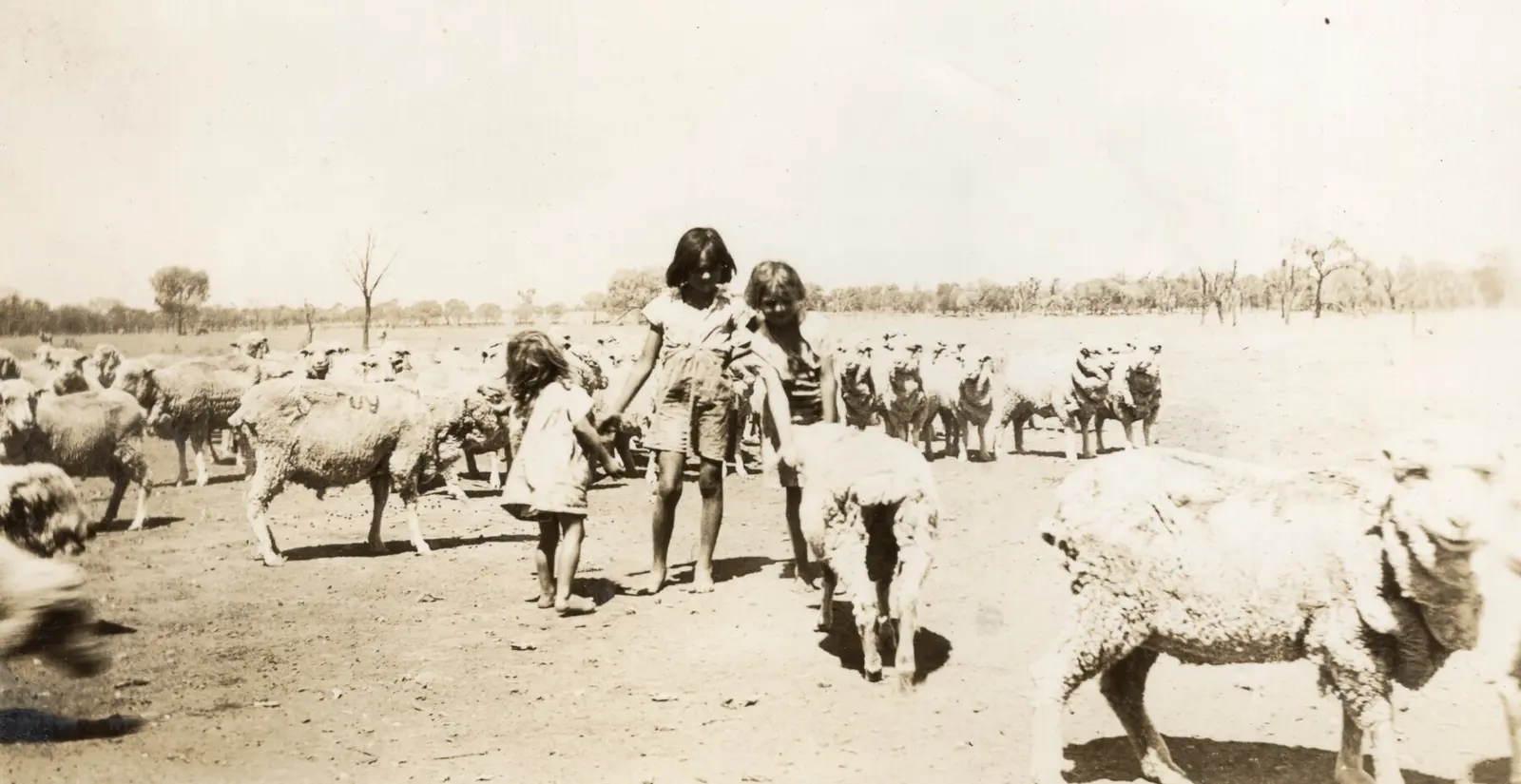
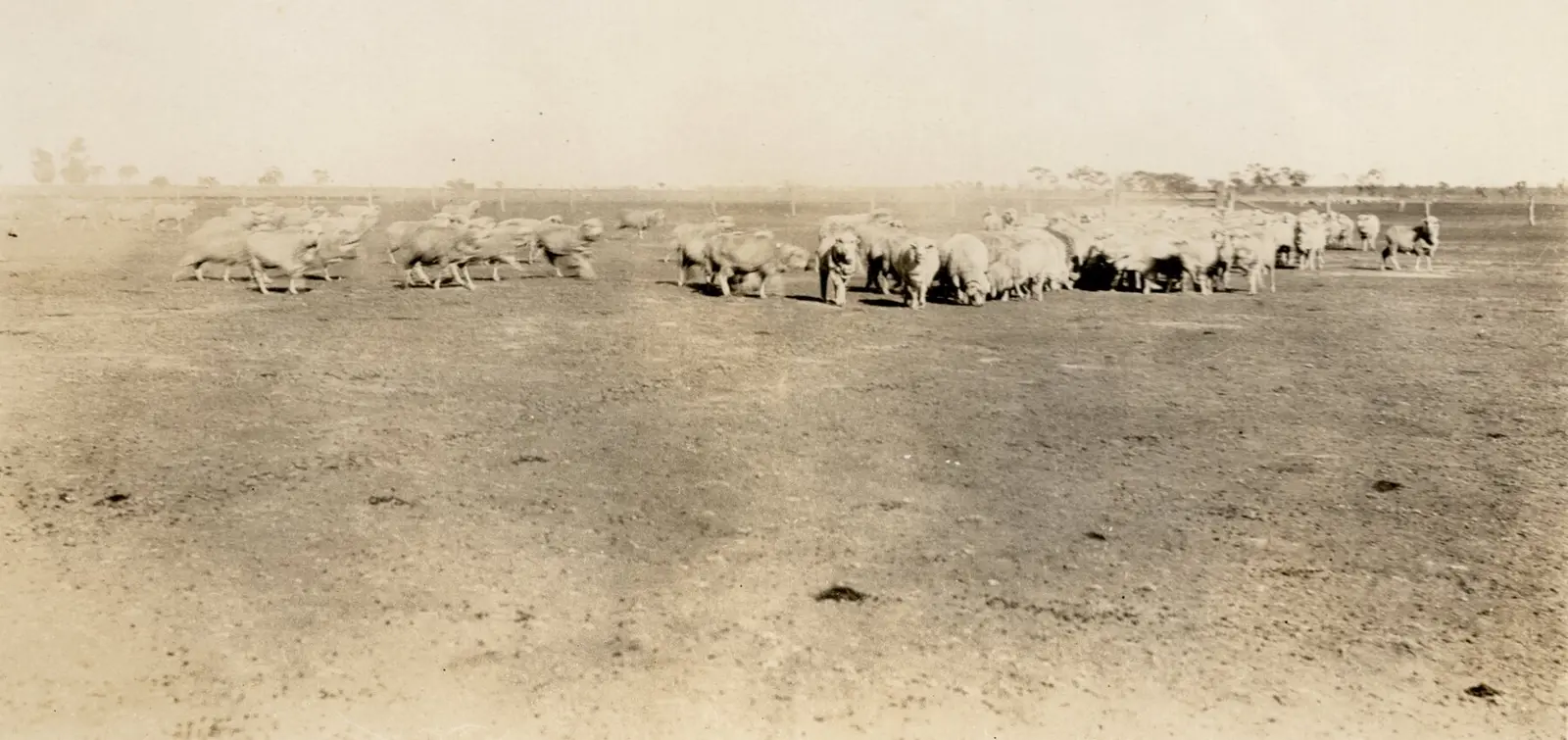
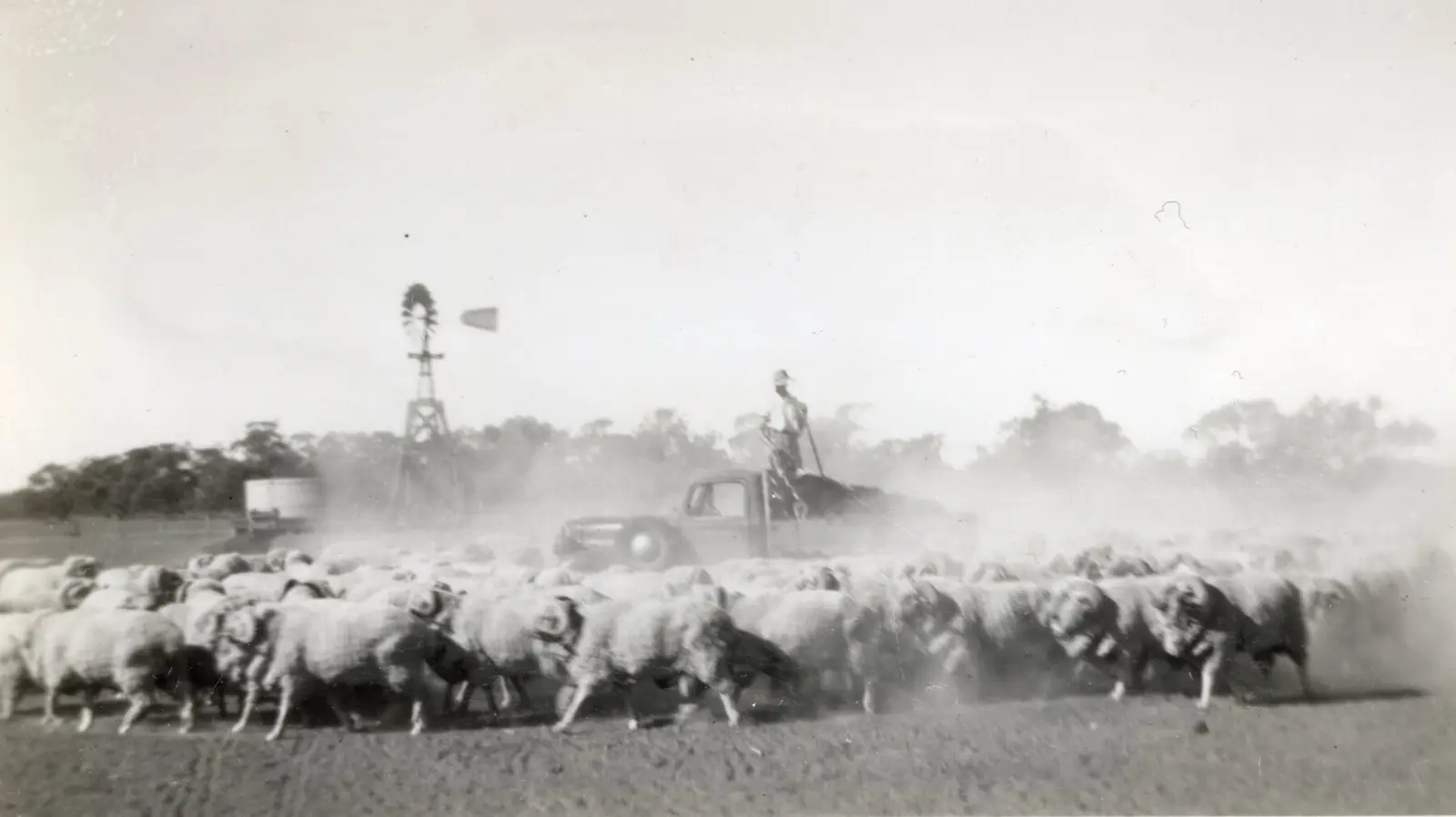
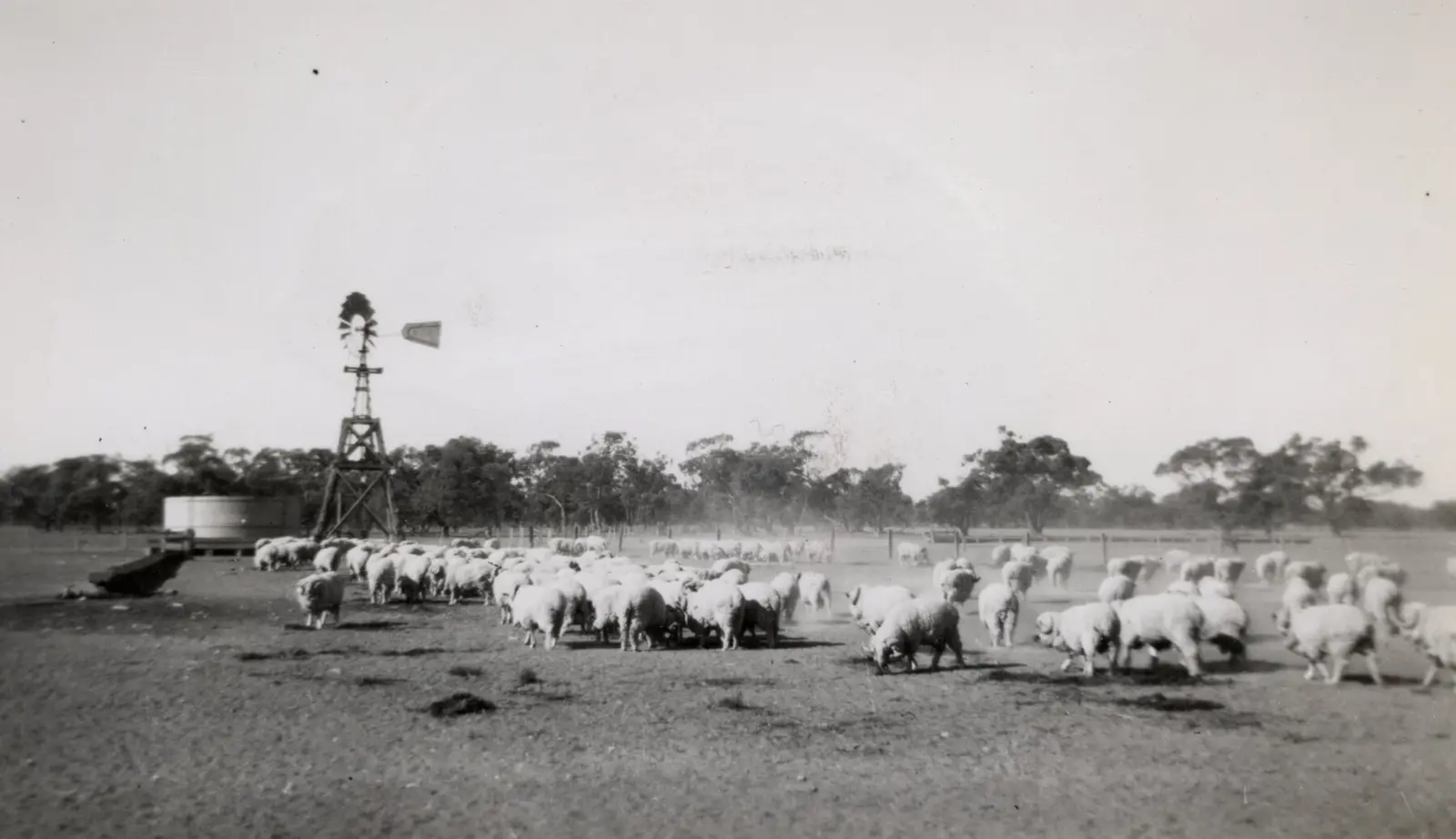
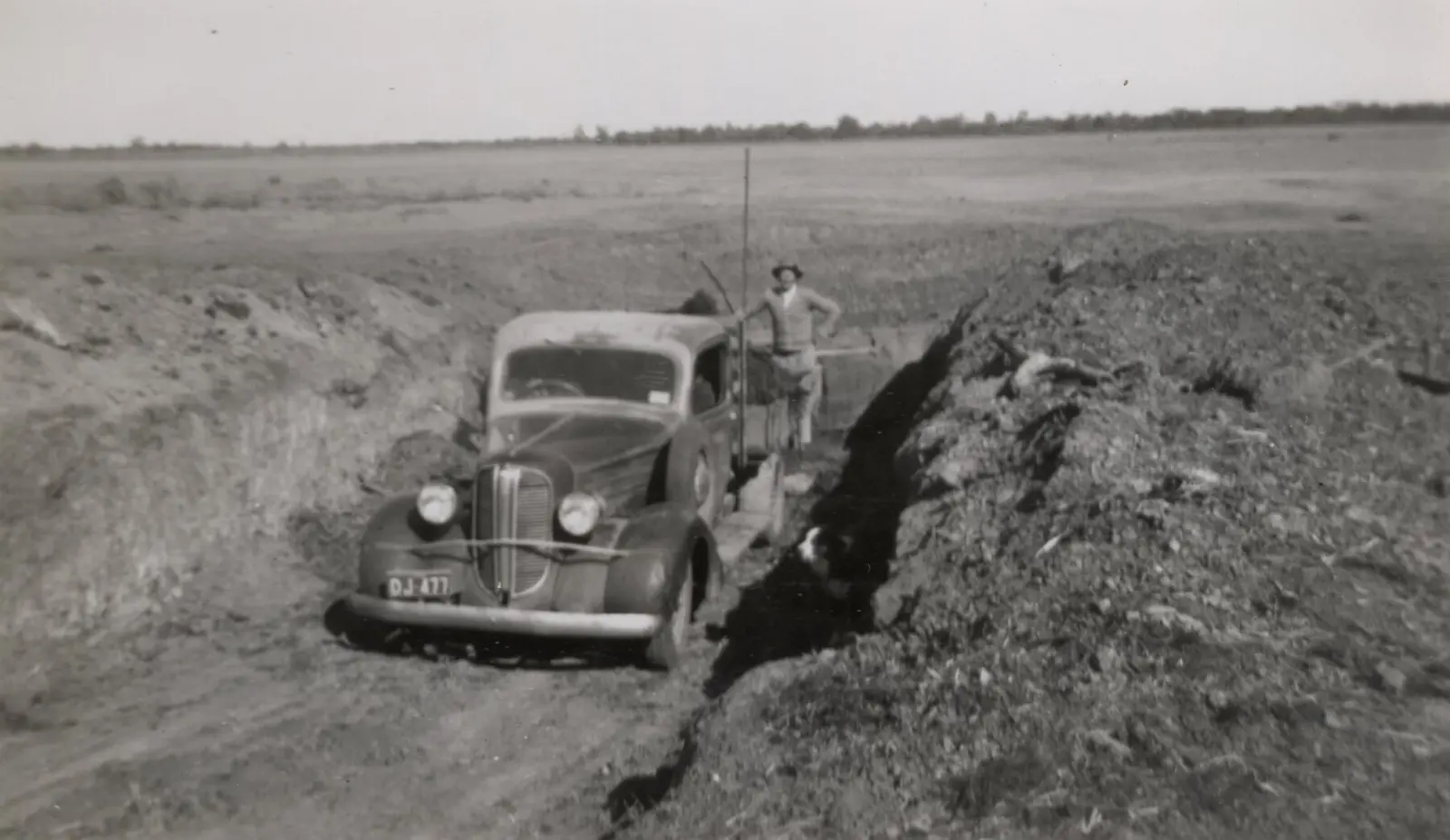
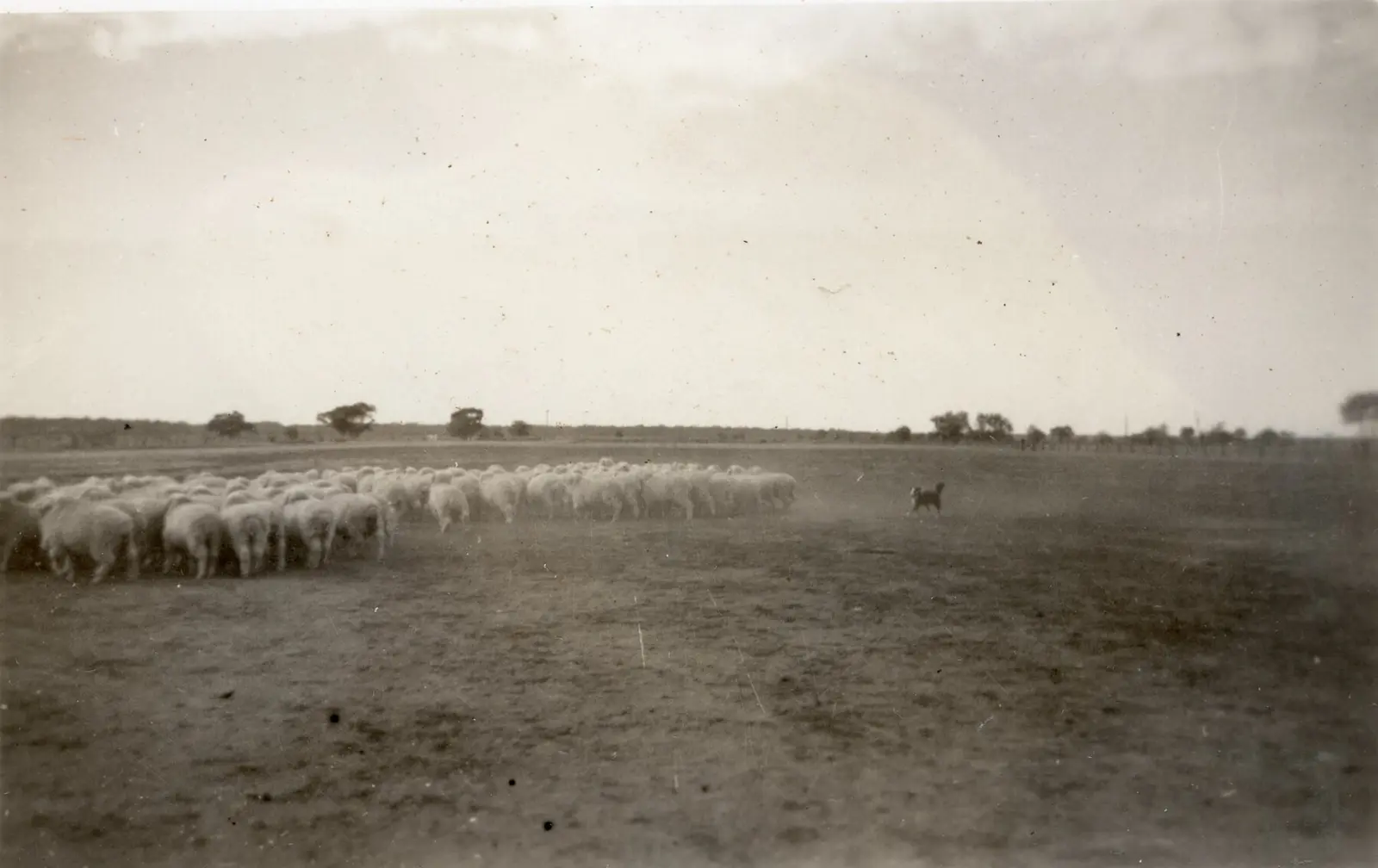
Like every Riverina family, the McBratneys weathered hard seasons, and 1937–38 was among the worst. Photographs from those years show hand-feeding on a large scale — Bill Richardson and Jimmy Stewart feeding stock out at Old Pines, Mervyn Brown doing the same a year later — the kind of unglamorous, relentless work that drought demands. Even the children weren’t entirely spared it: one photograph shows three unidentified children walking straight through a mob of sheep, presumably on their way to help. By now Jack was well into his management years, and it would have fallen to him to see the station and its people through.
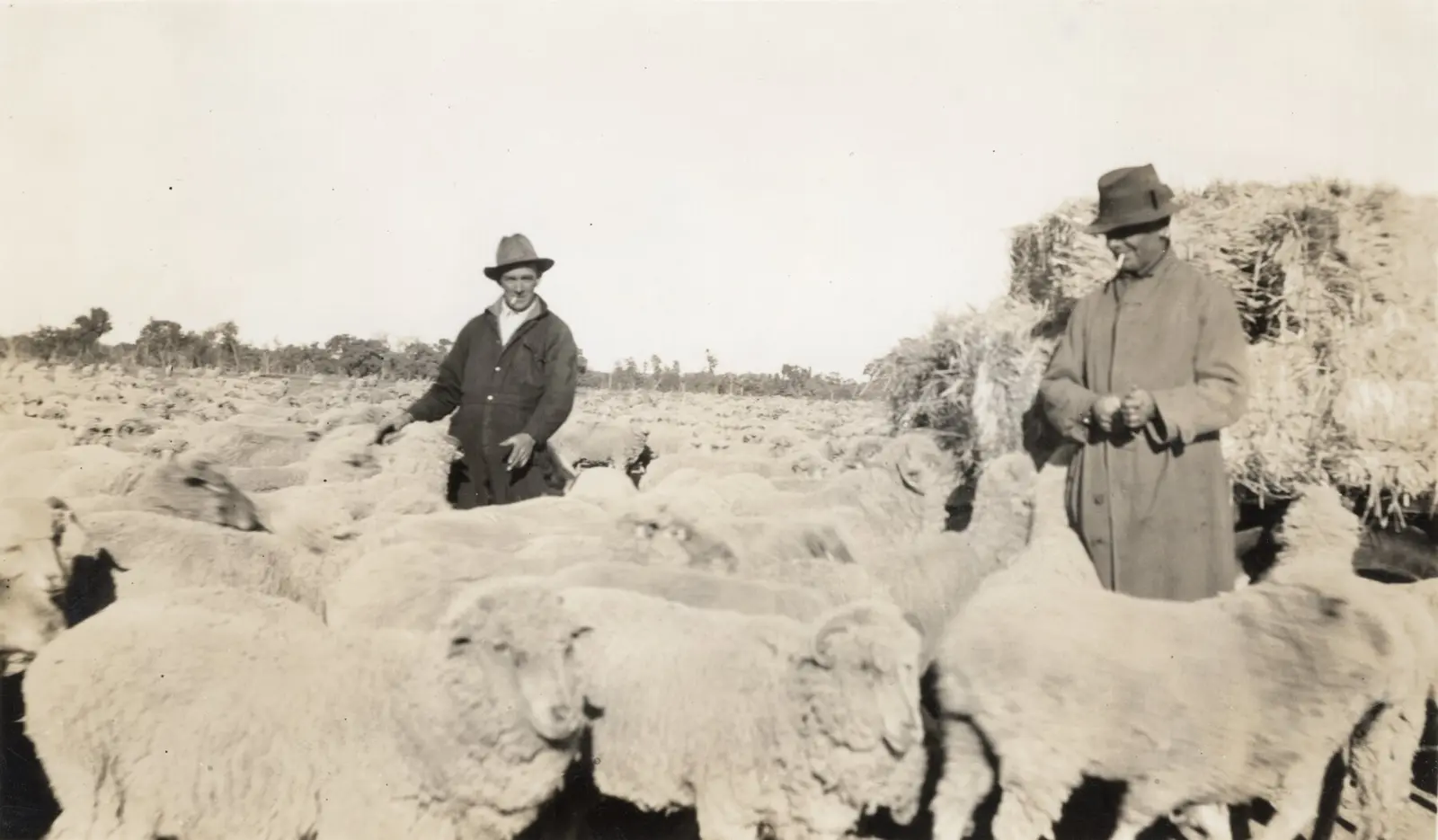
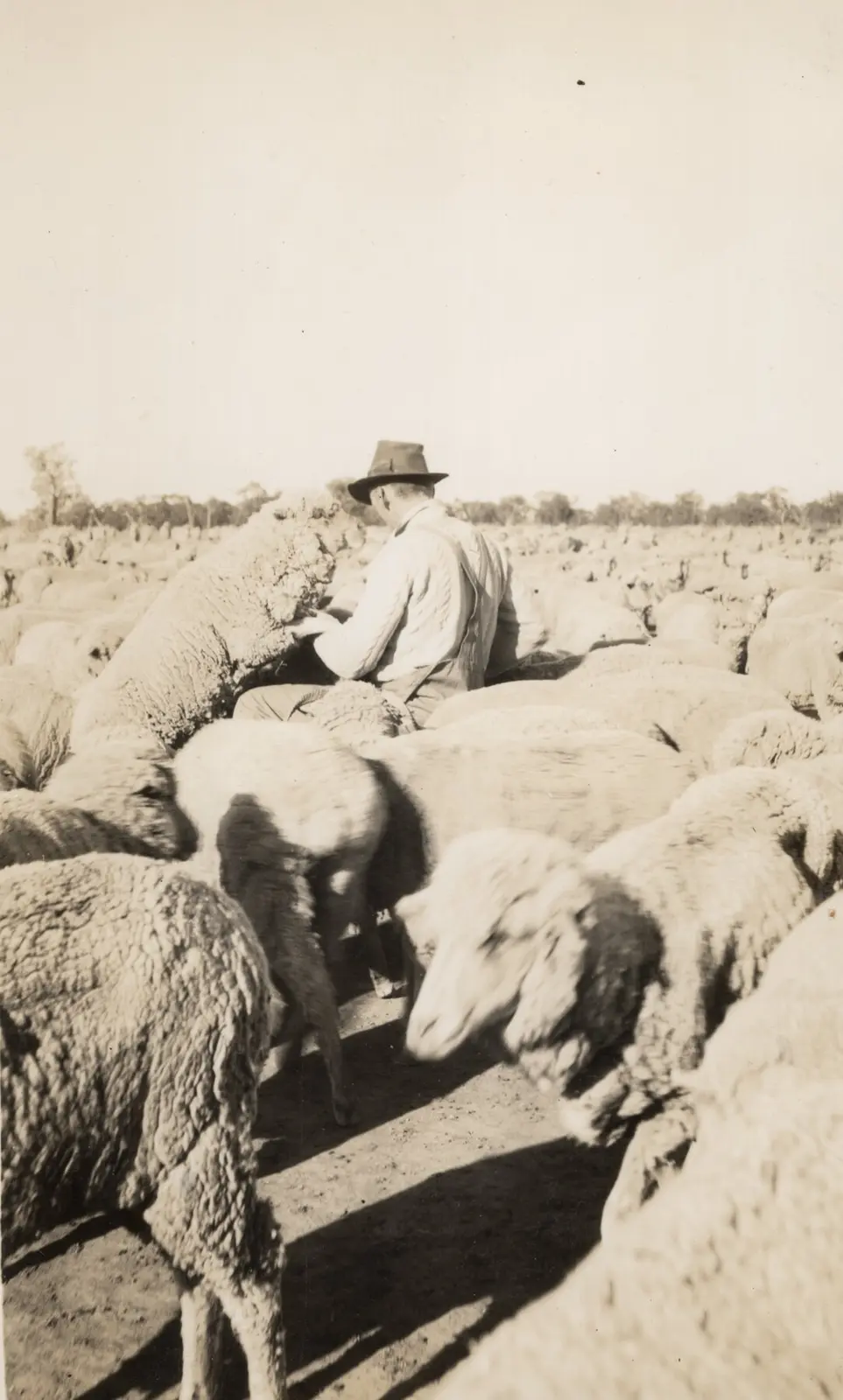
3 photos — click any image to browse full gallery
Growing Up on Toganmain
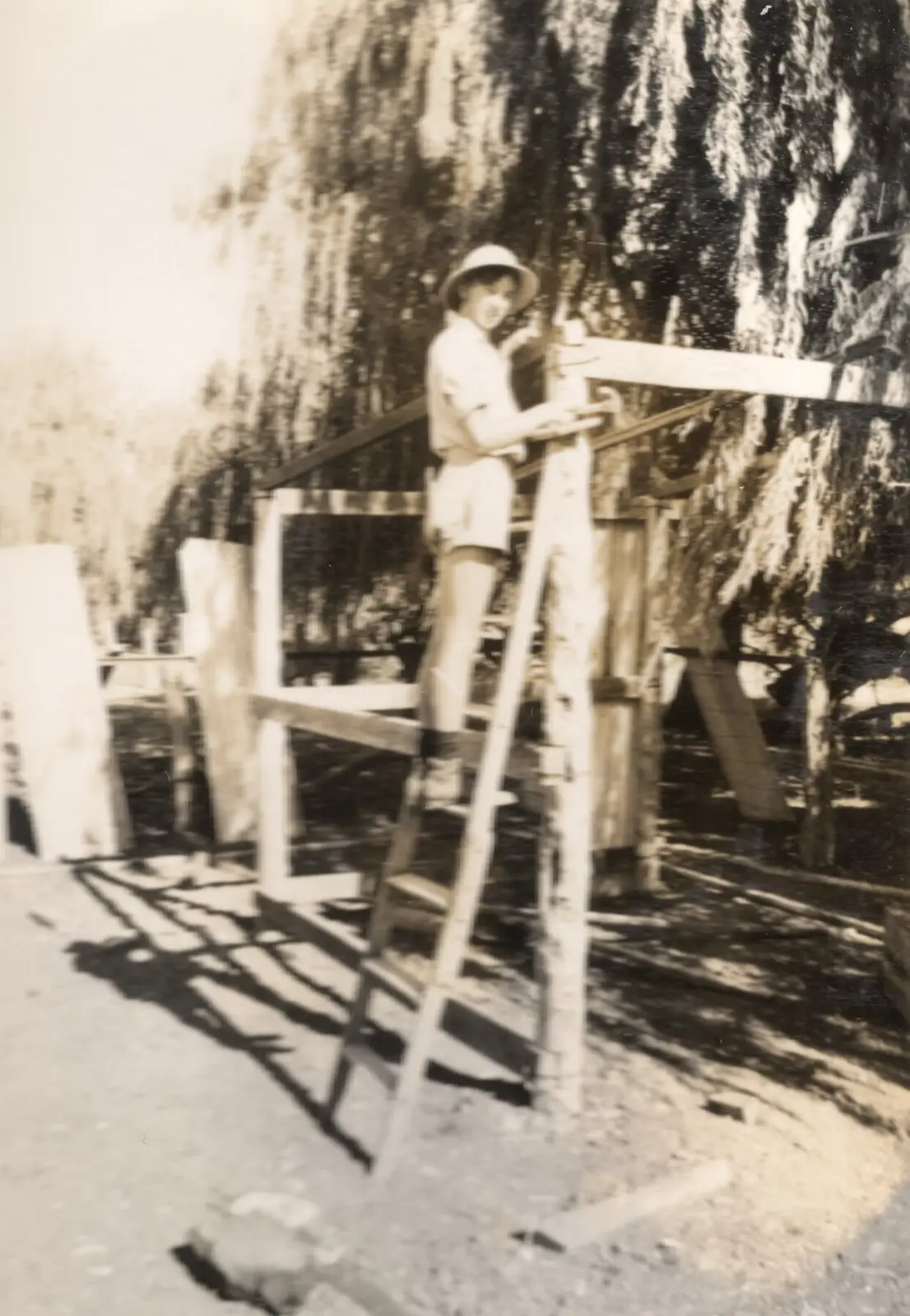
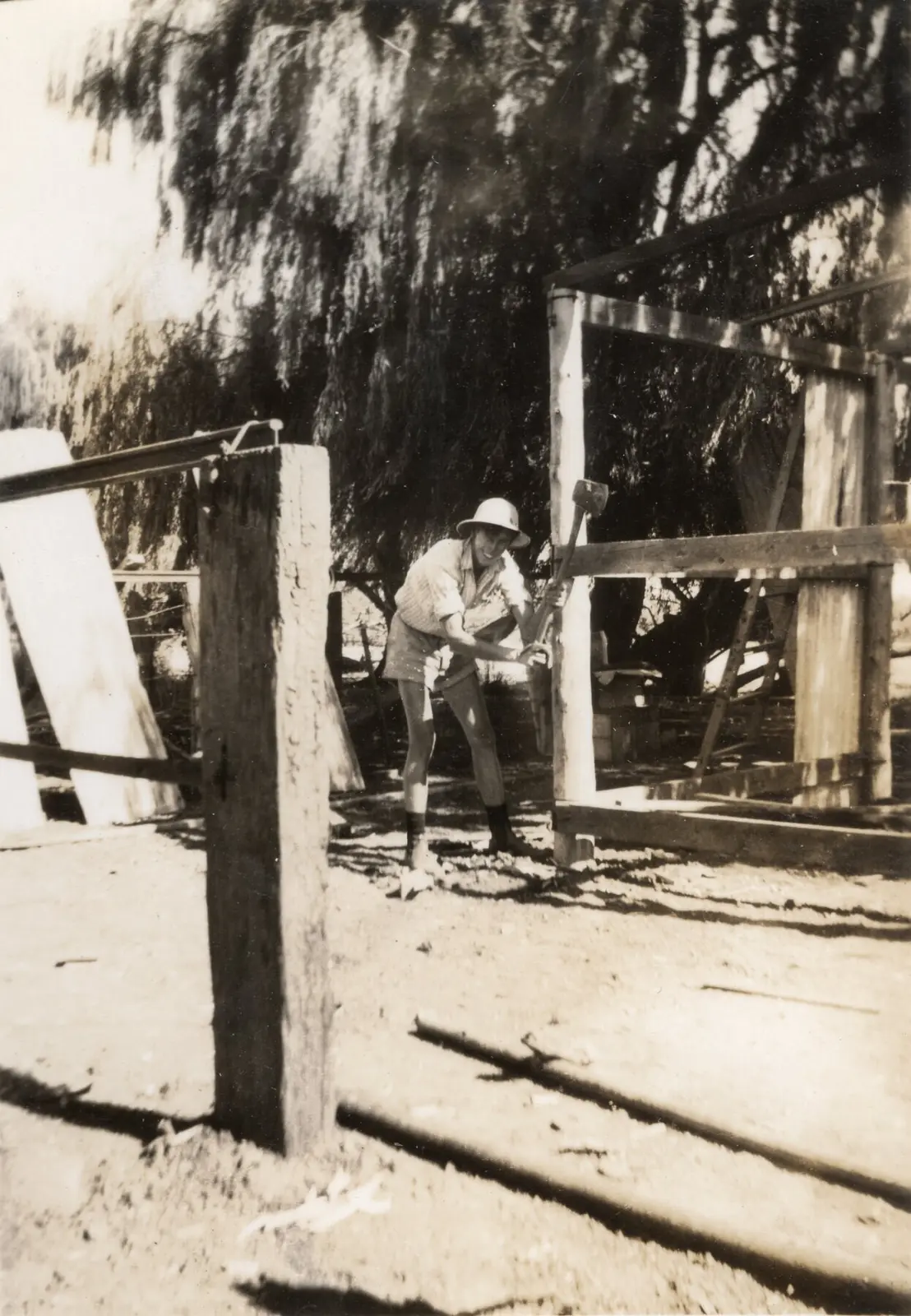
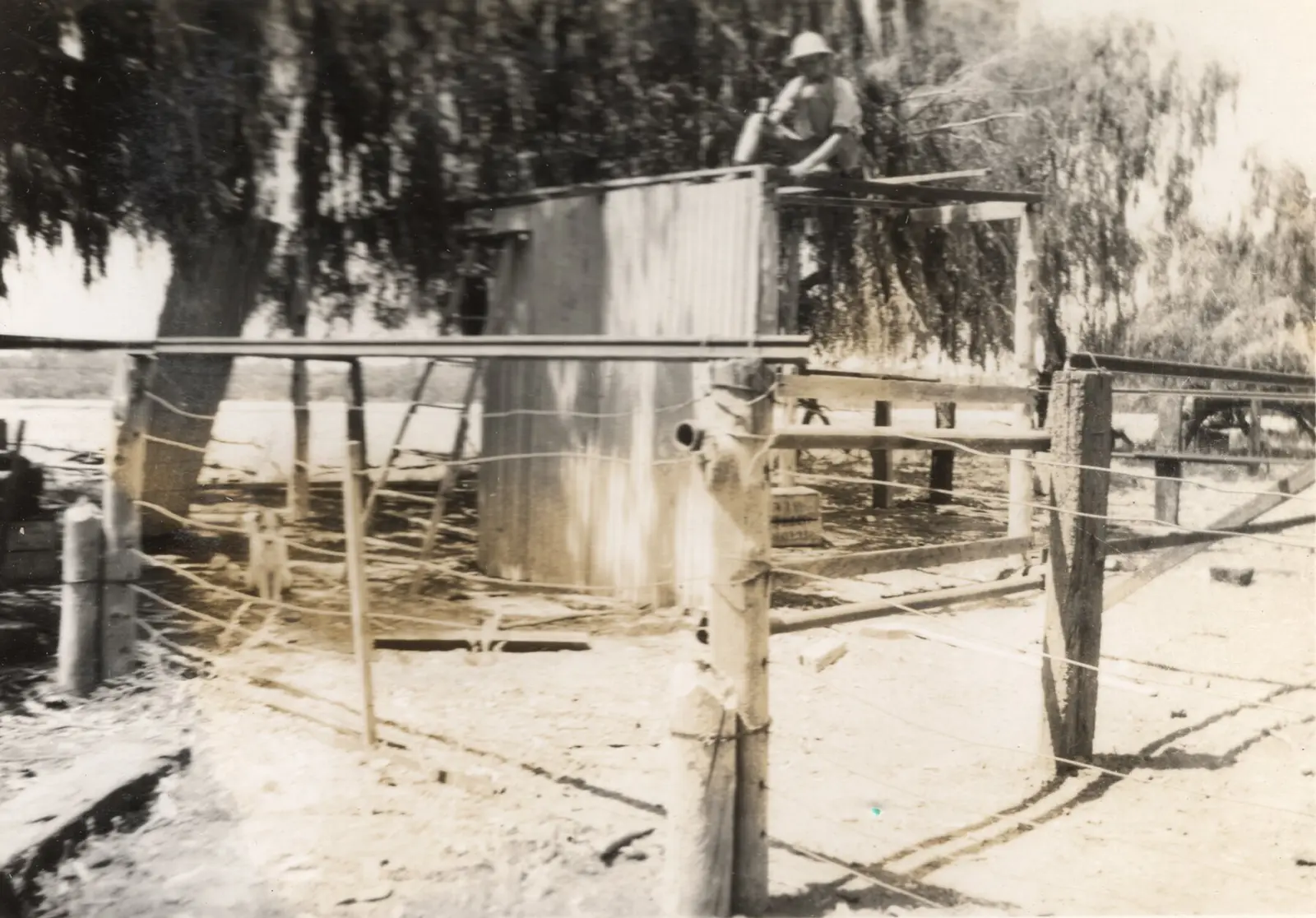
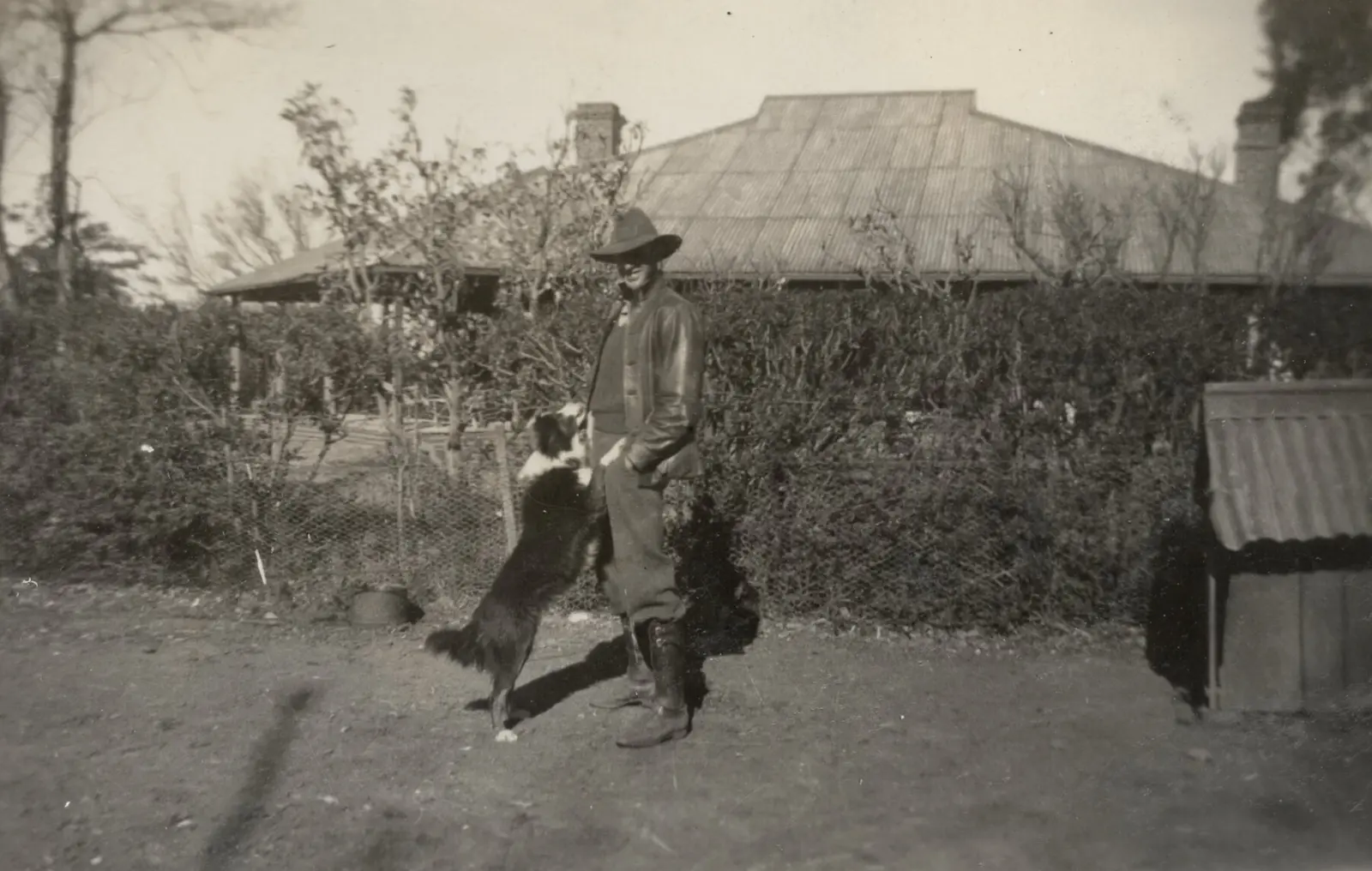
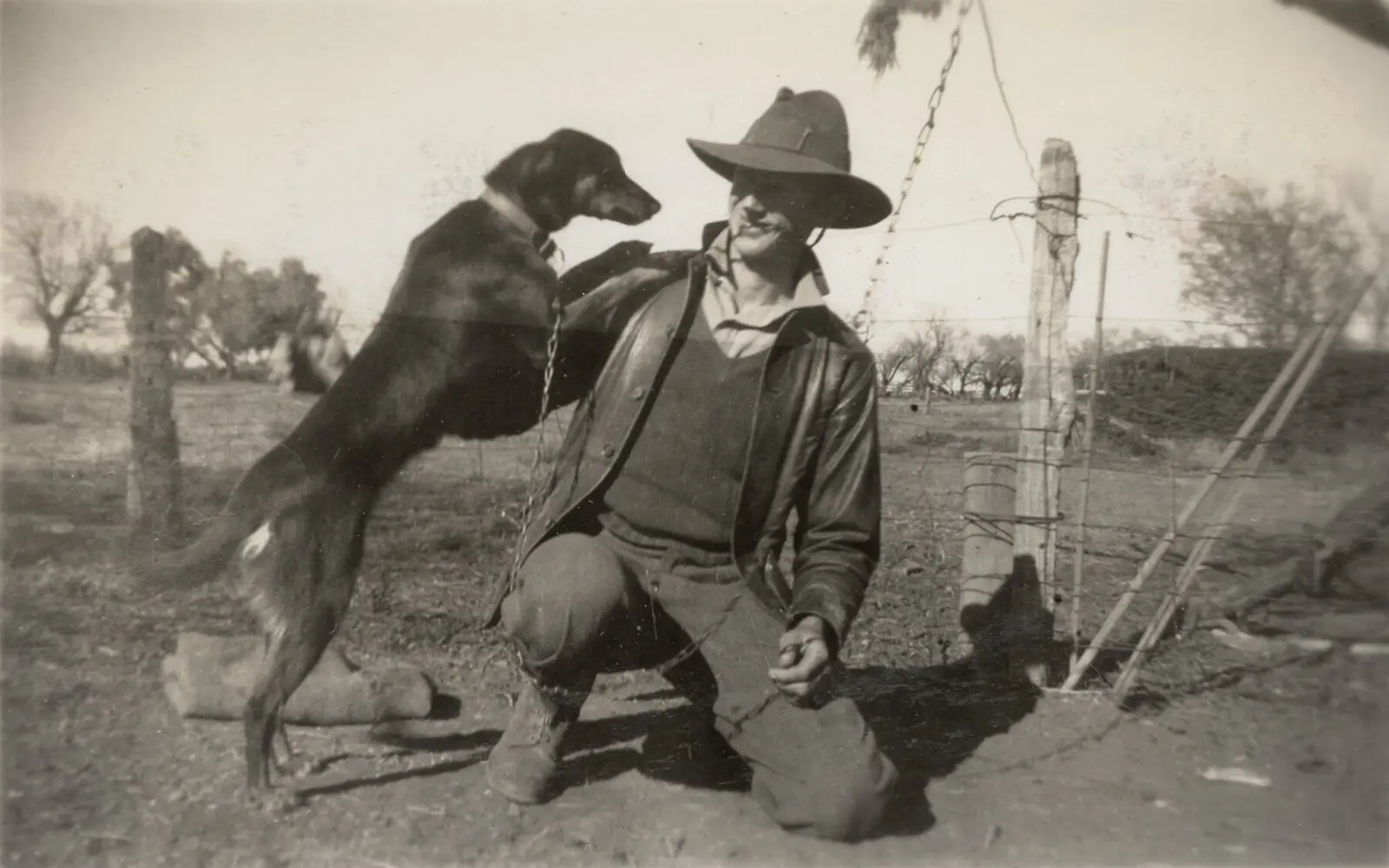
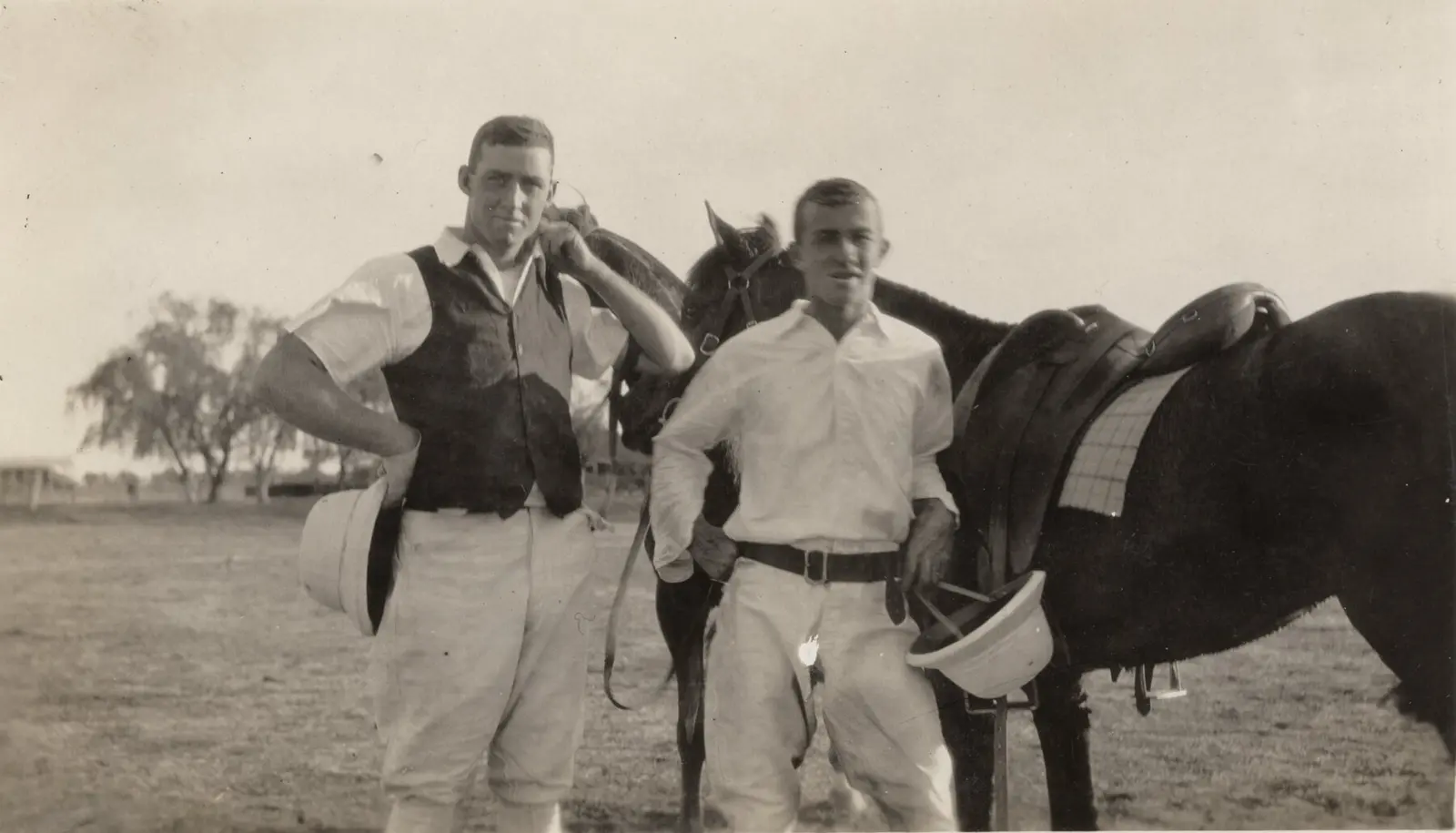
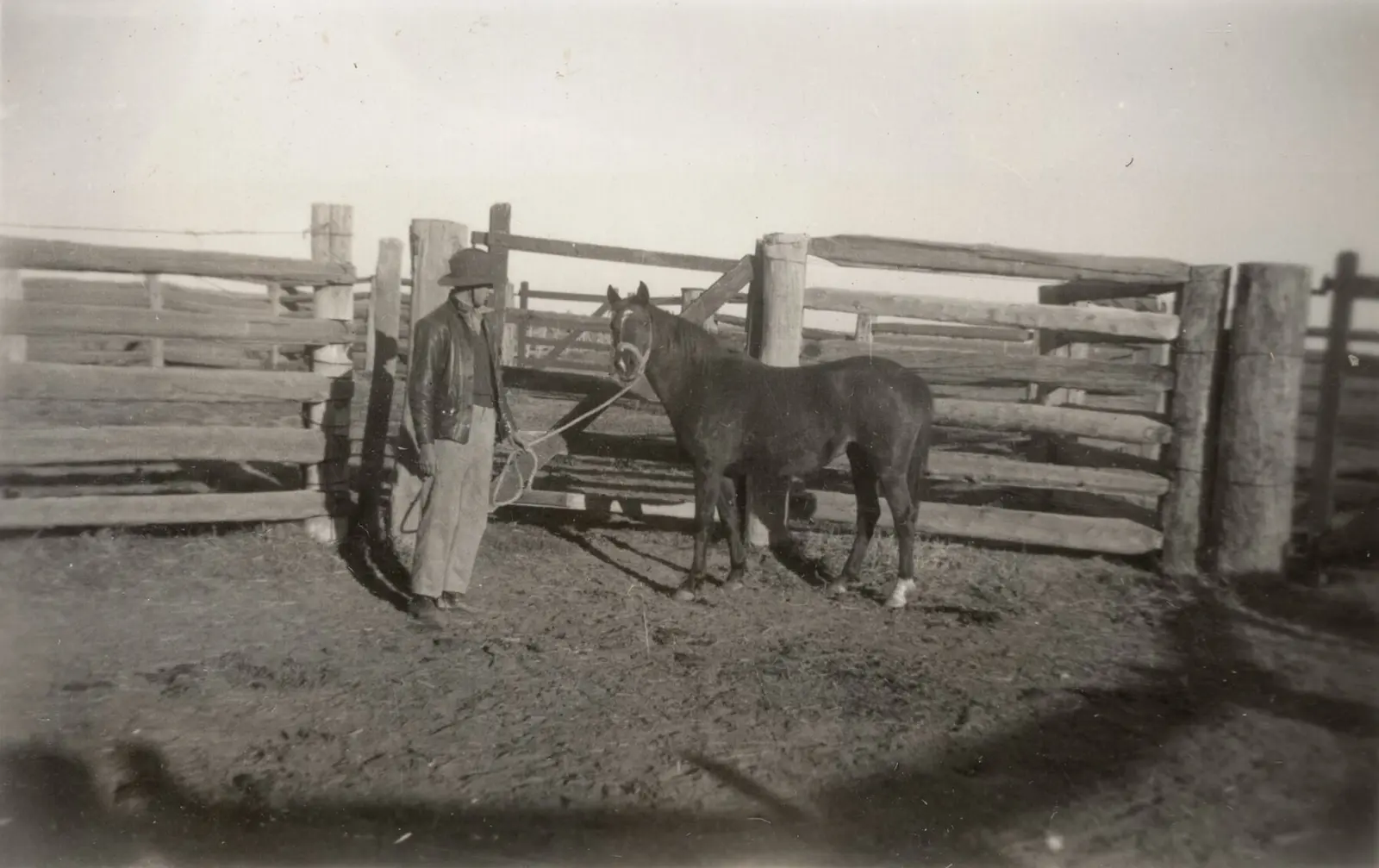
The most charming material in the whole collection comes from the early-to-mid 1940s, when Bill was a teenager and young man on the station his father managed. In one wonderfully candid sequence he builds a stable “in three easy stages” — the photos are blurred with motion throughout, which if anything suits the joke. He rode Addis and Egypt, and worked with dogs whose names Marianne was particular about us getting right: Don, Dot, Digger and Honk all turn up by name in the album, not just as anonymous farm dogs but as working members of the household.
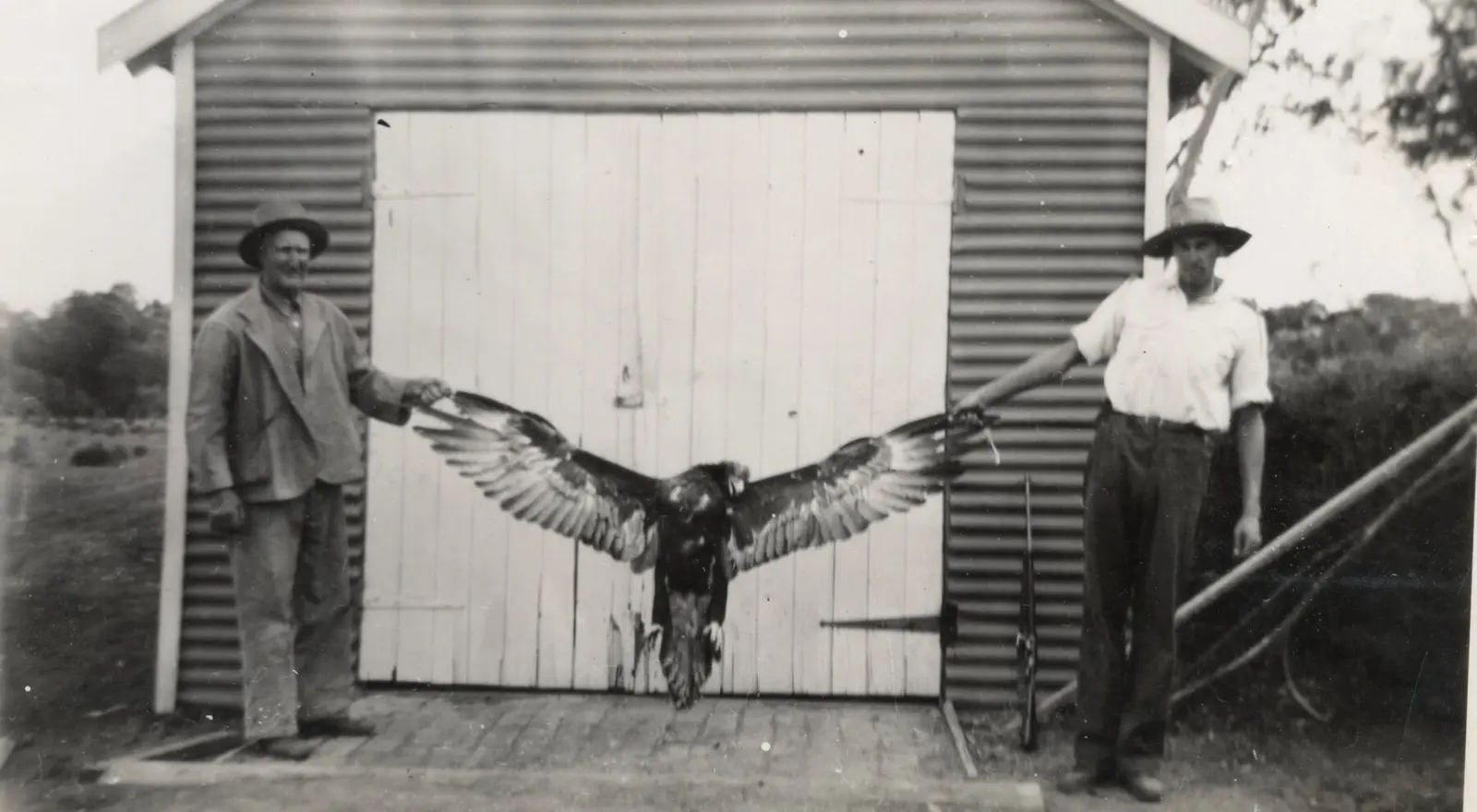
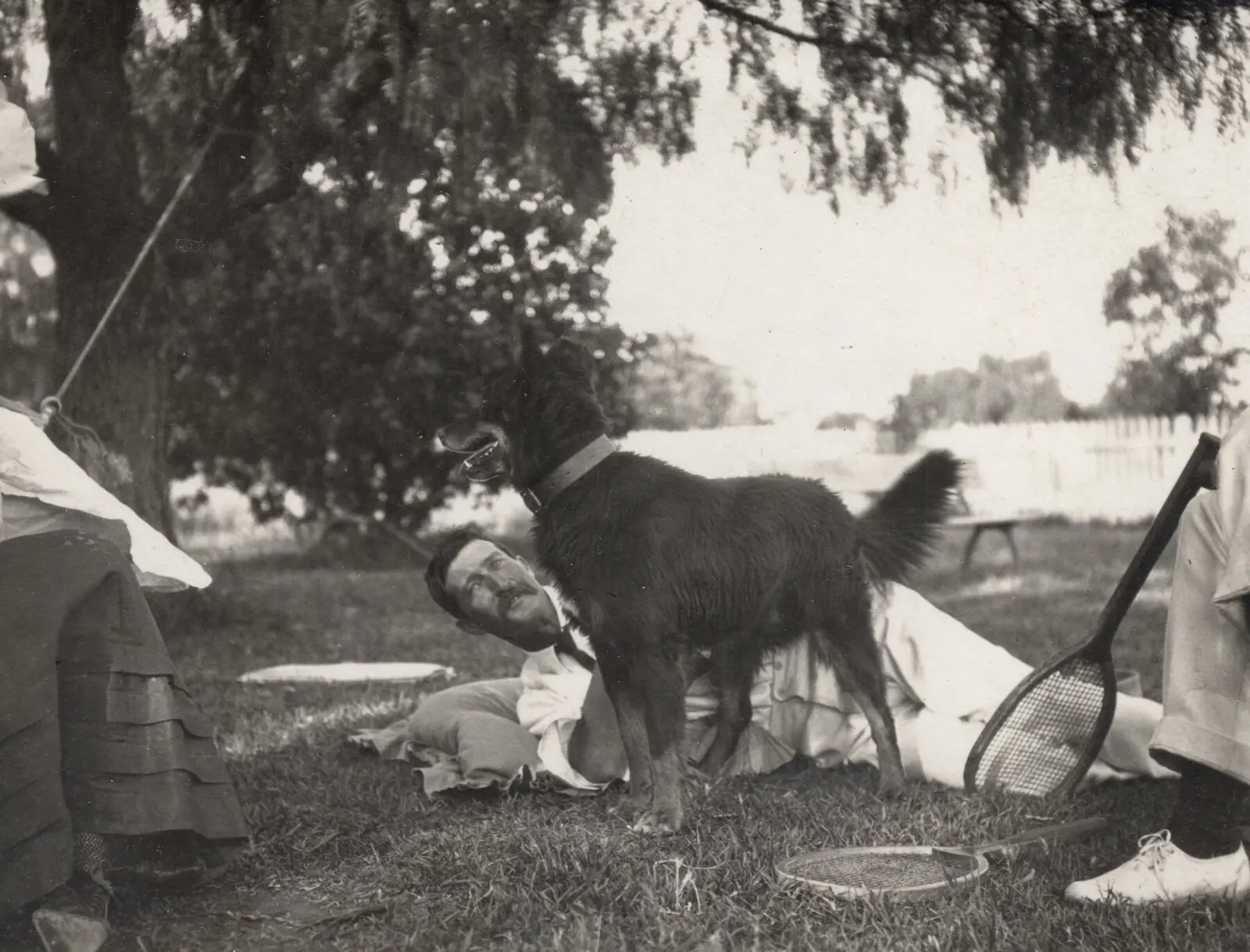
Two photographs from this stretch stand out above everything else in the collection. In one, a shirtless teenage Bill paddles a dugout canoe down the river with Digger and Honk aboard. In the other — taken around the same time — he rides Addis straight through the river itself, horse and rider both submerged to the chest, water dark and still around them. Between the two, they capture something the rest of the photographs only gesture at: what it actually felt like to be young on this land, in this river, in that particular stretch of years. There’s a wedge-tailed eagle too — Bill and his father photographed with the day’s catch, wings spread the full width of the frame — and a rather more ordinary moment of Bill in tennis whites, laughing mid-serve.
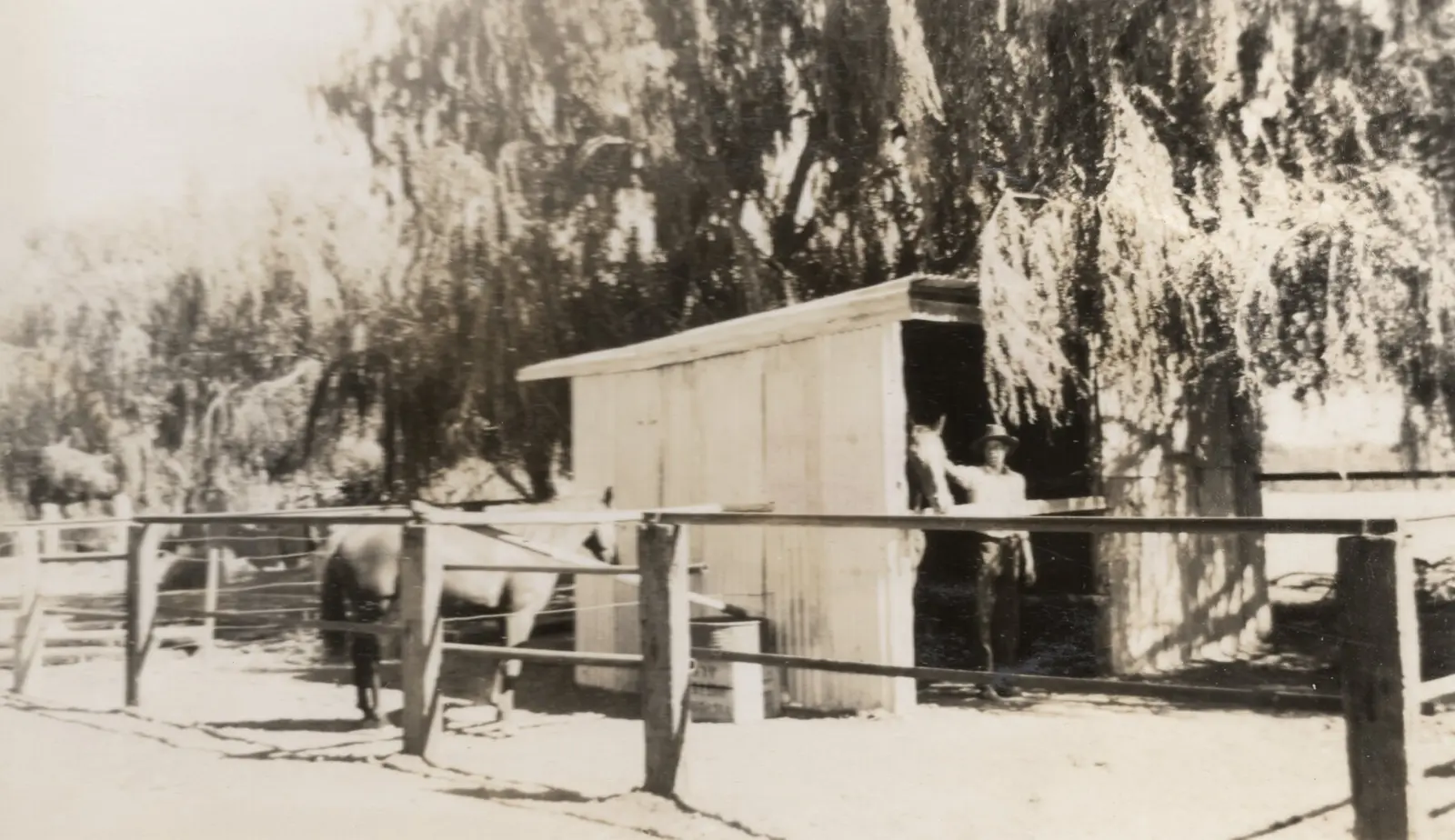
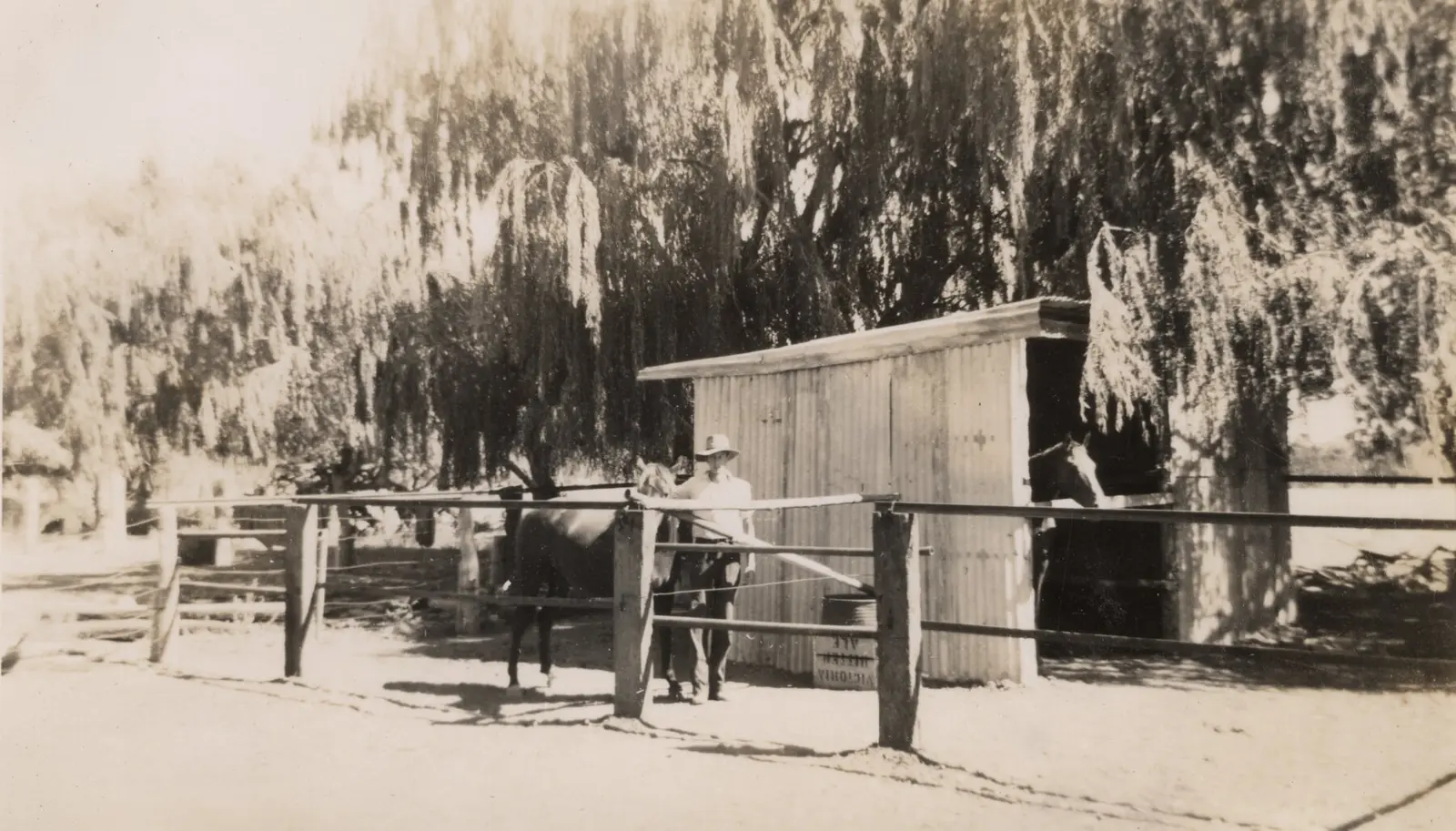
5 photos — “in three easy stages” — click any image to browse full gallery
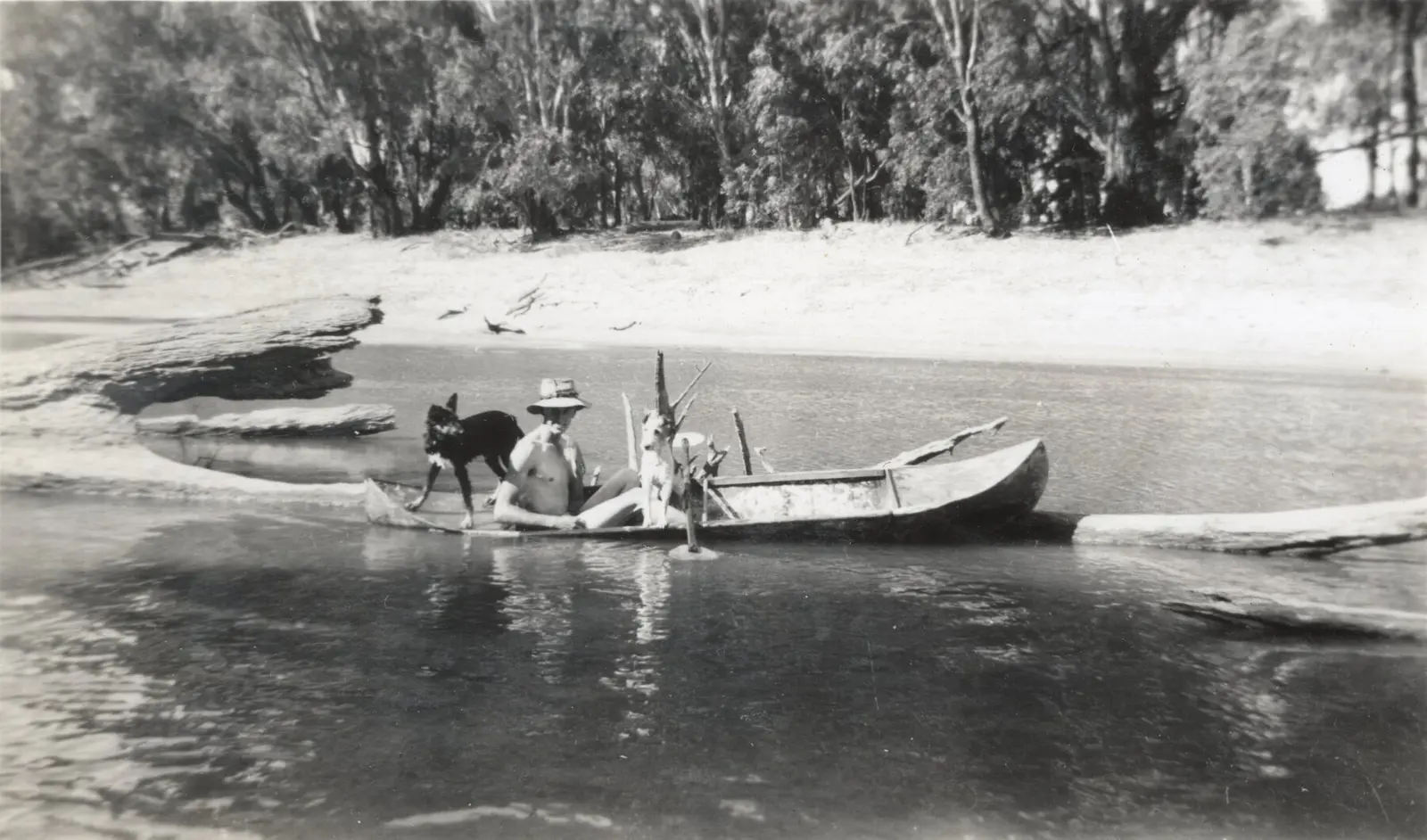
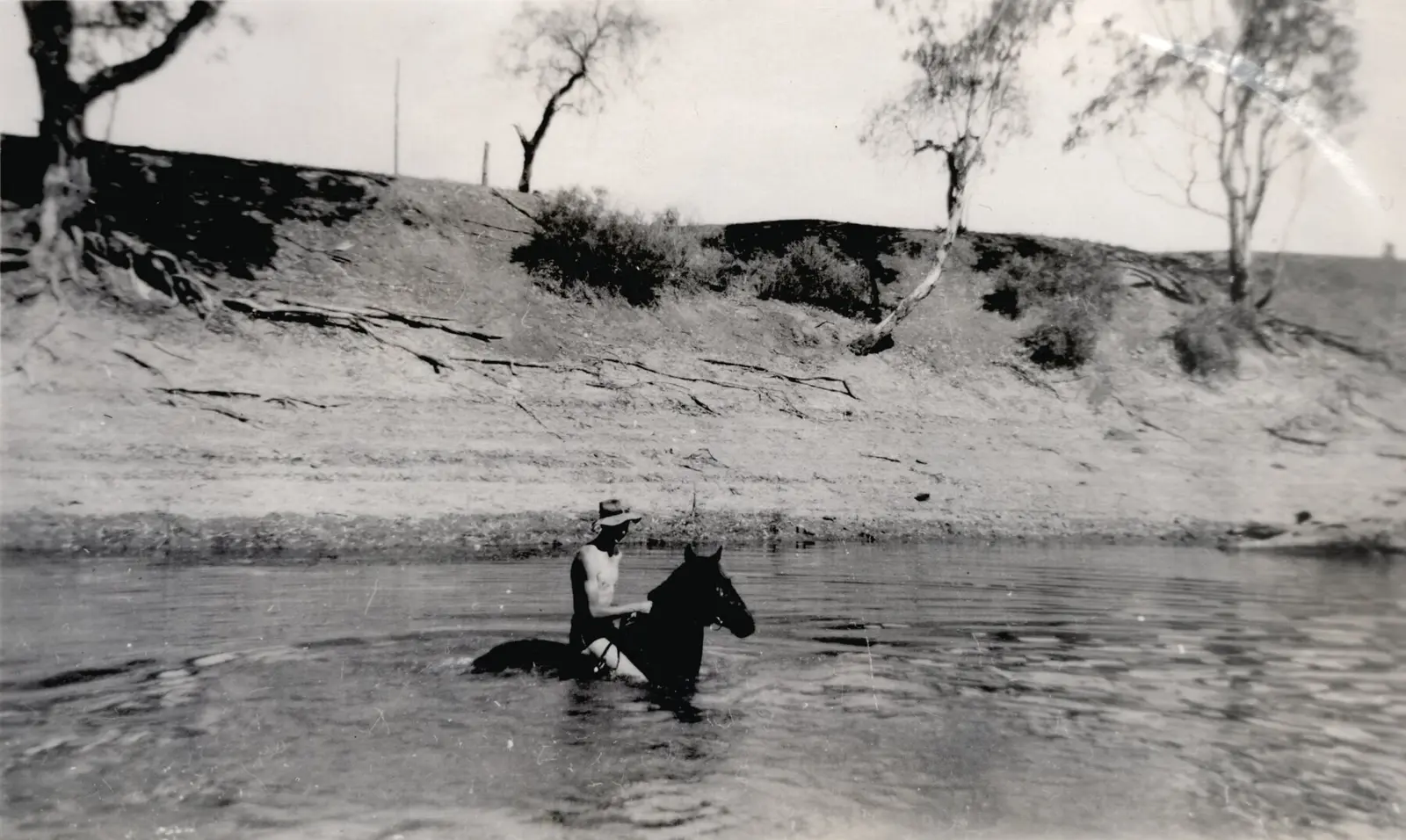
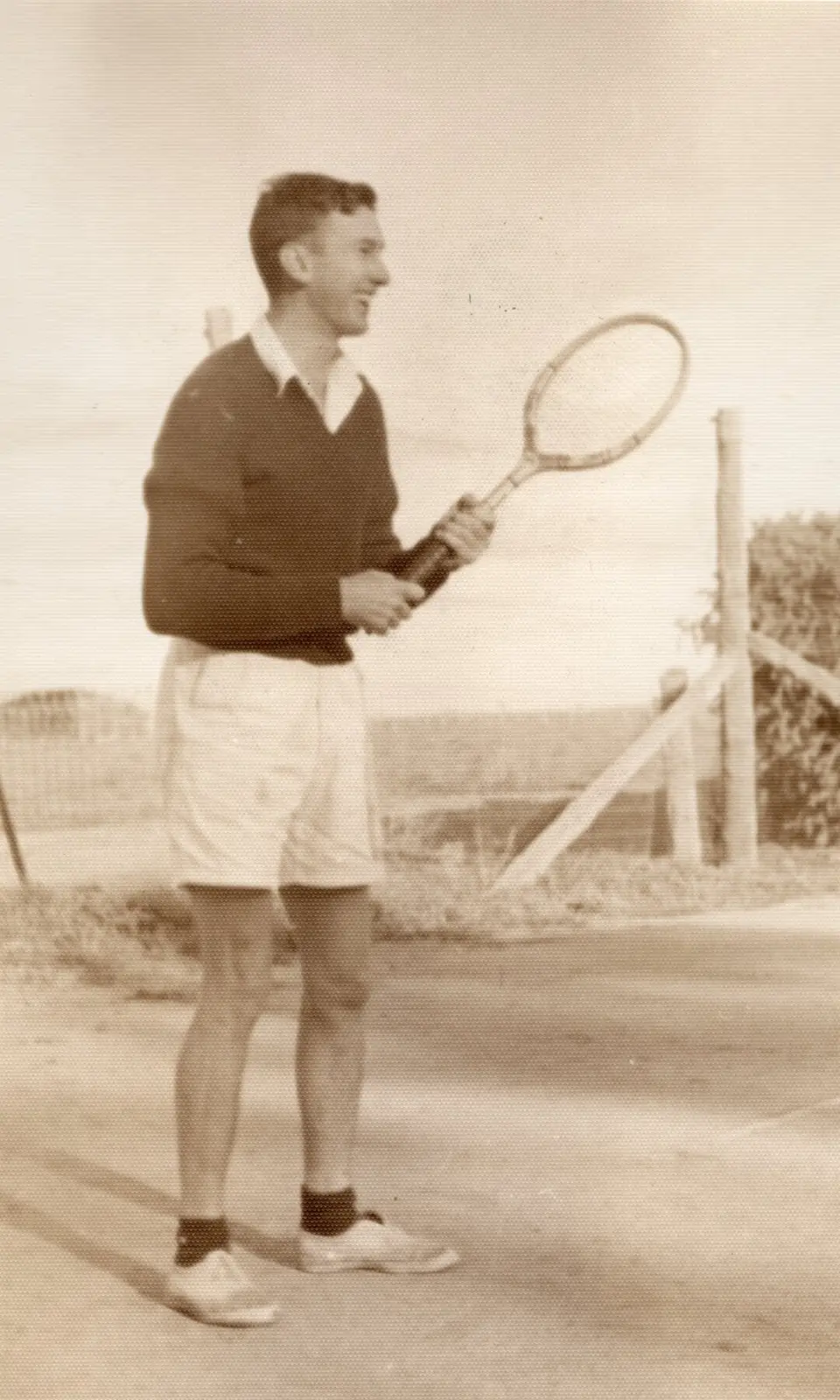
7 photos — click any image to browse full gallery
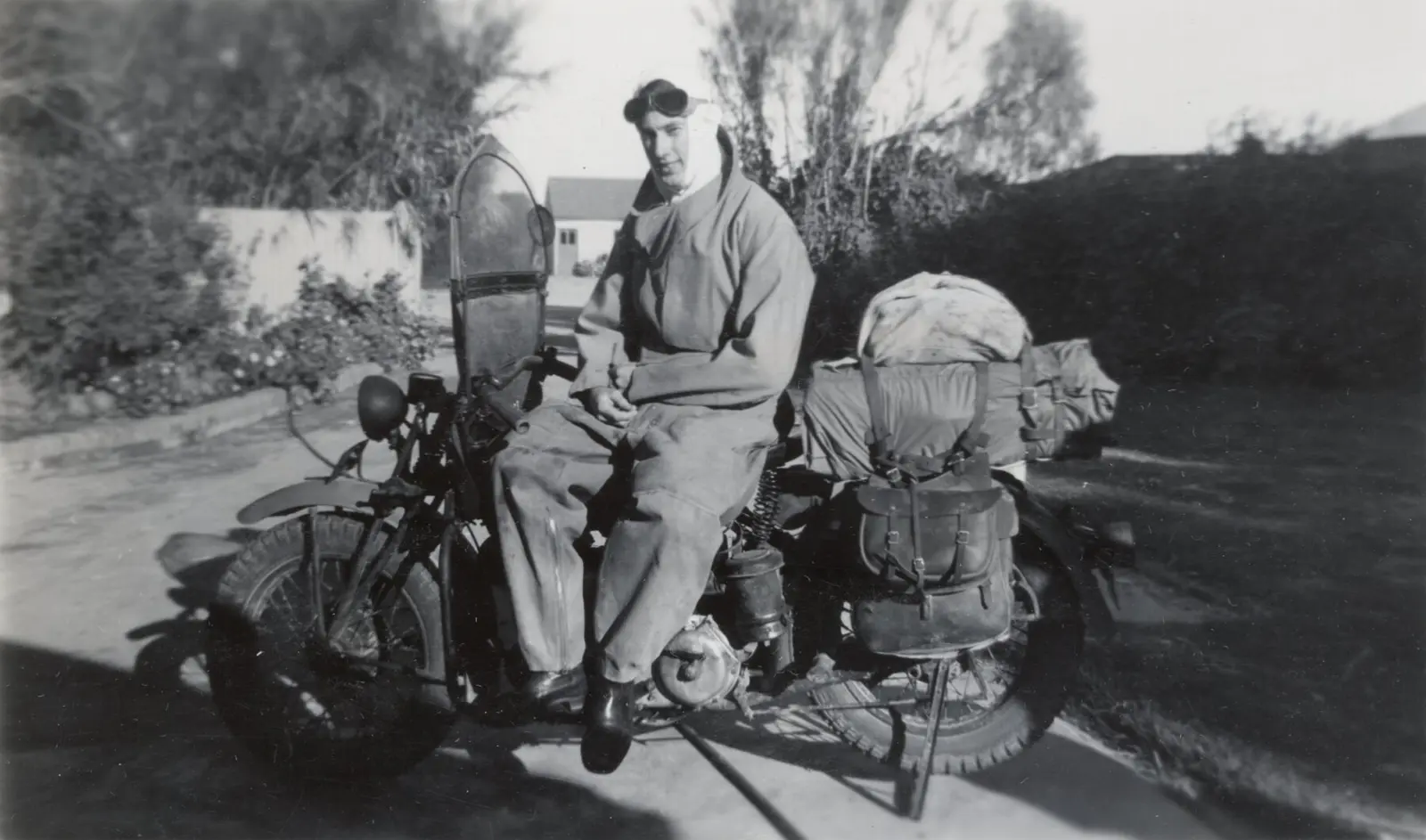
The motorbike shot deserves its own line. In October 1948, fully kitted out in riding gear and goggles, his machine loaded with a swag and saddlebags, Bill set off from Toganmain on his own — riding all the way to Turkey Station on the Queensland coast below Gladstone, then across to Victoria River Downs in the Northern Territory, showing up to jackeroo jobs on stations far from home. He eventually made his way back to Toganmain to work as an overseer, but not before that solo trip had covered a fair slice of the continent.
The Wool Shed
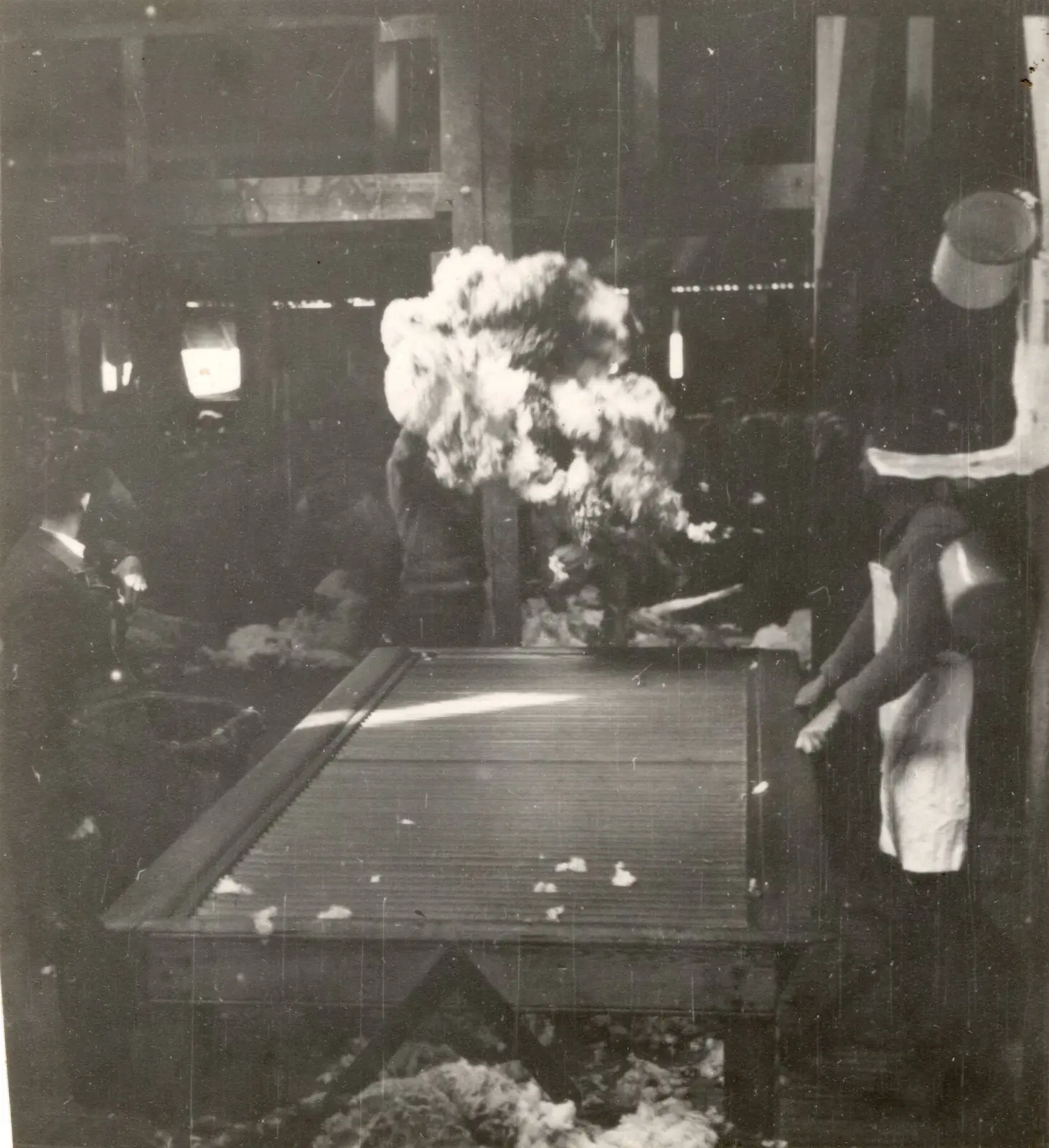
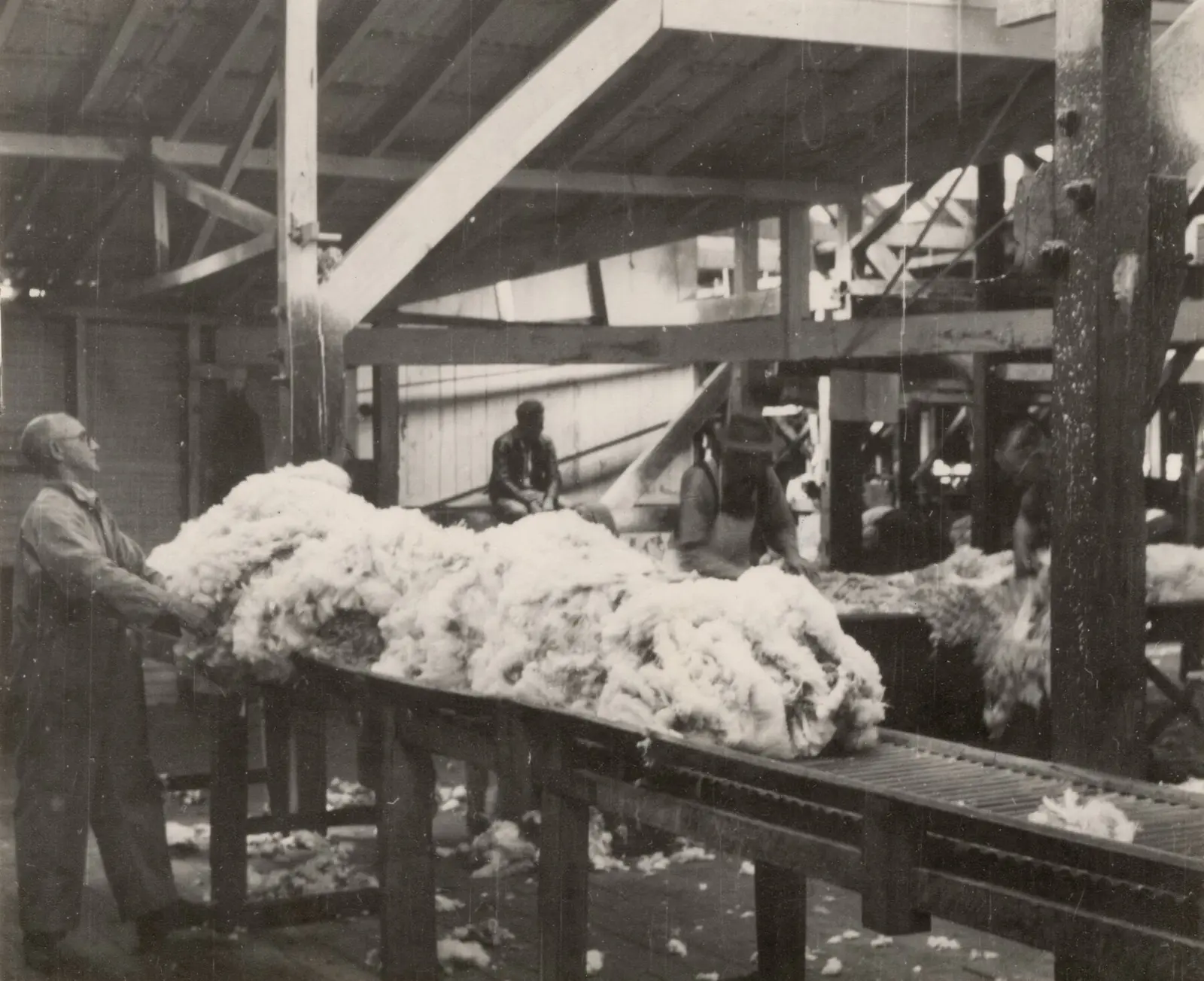
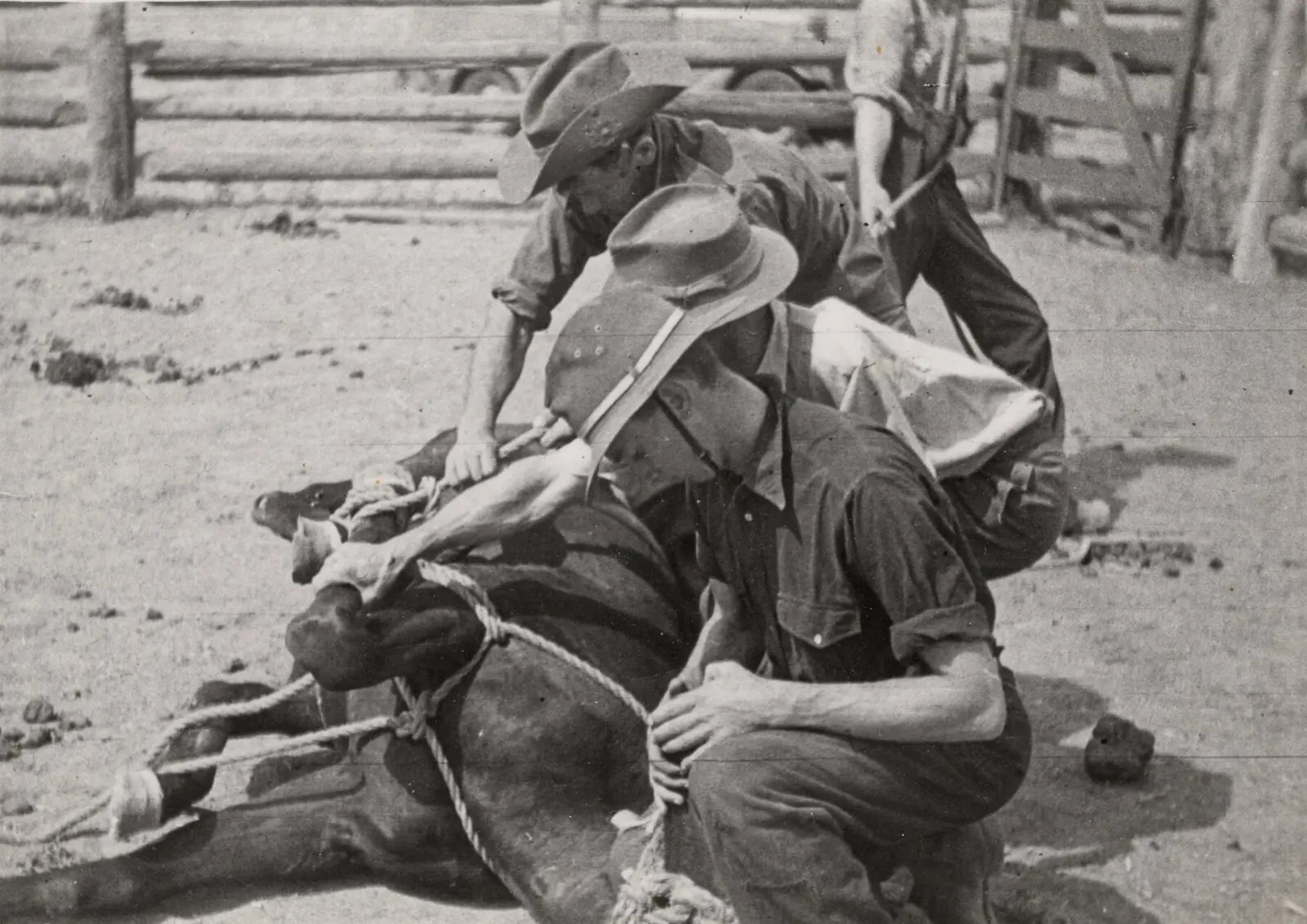
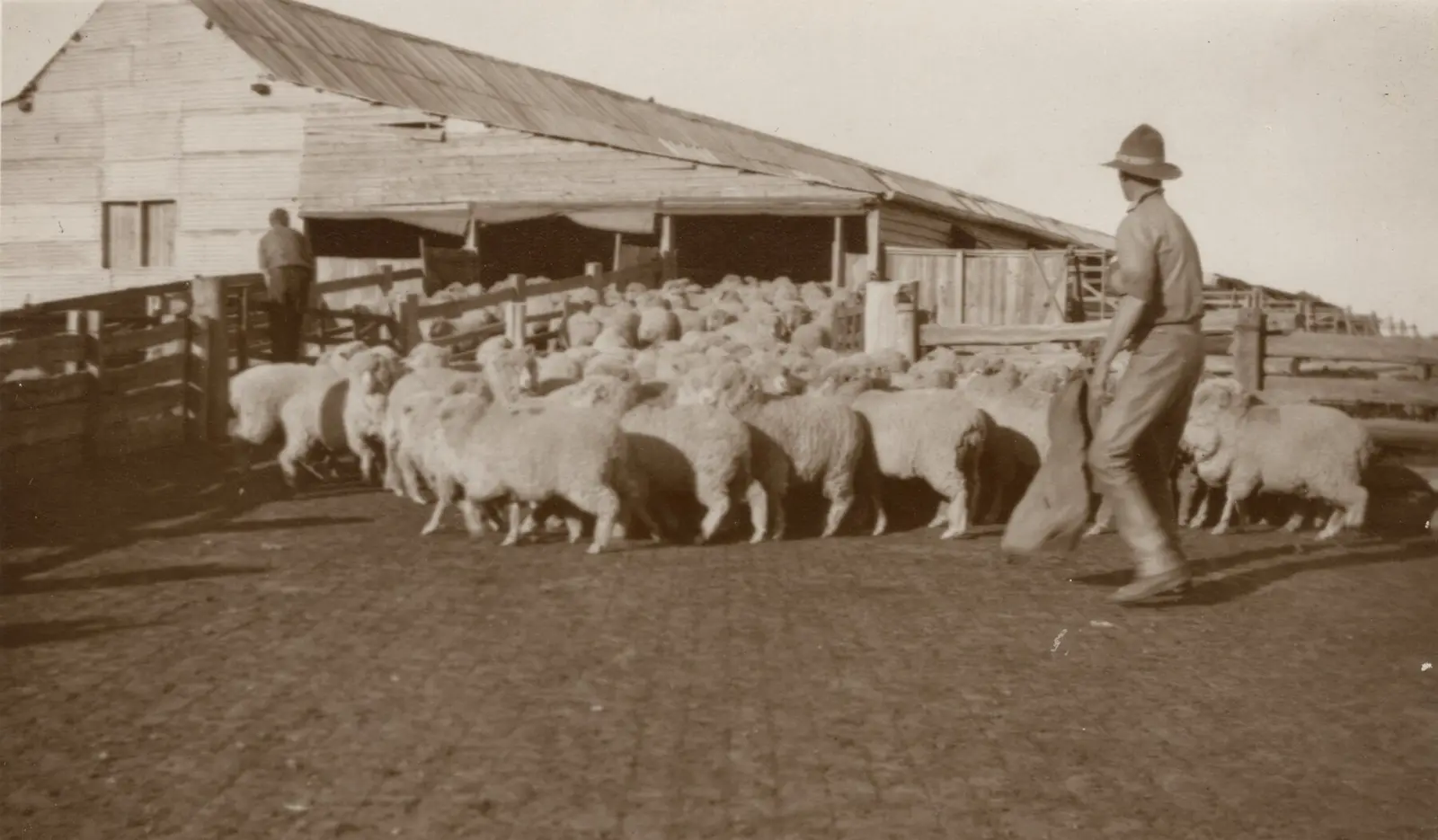
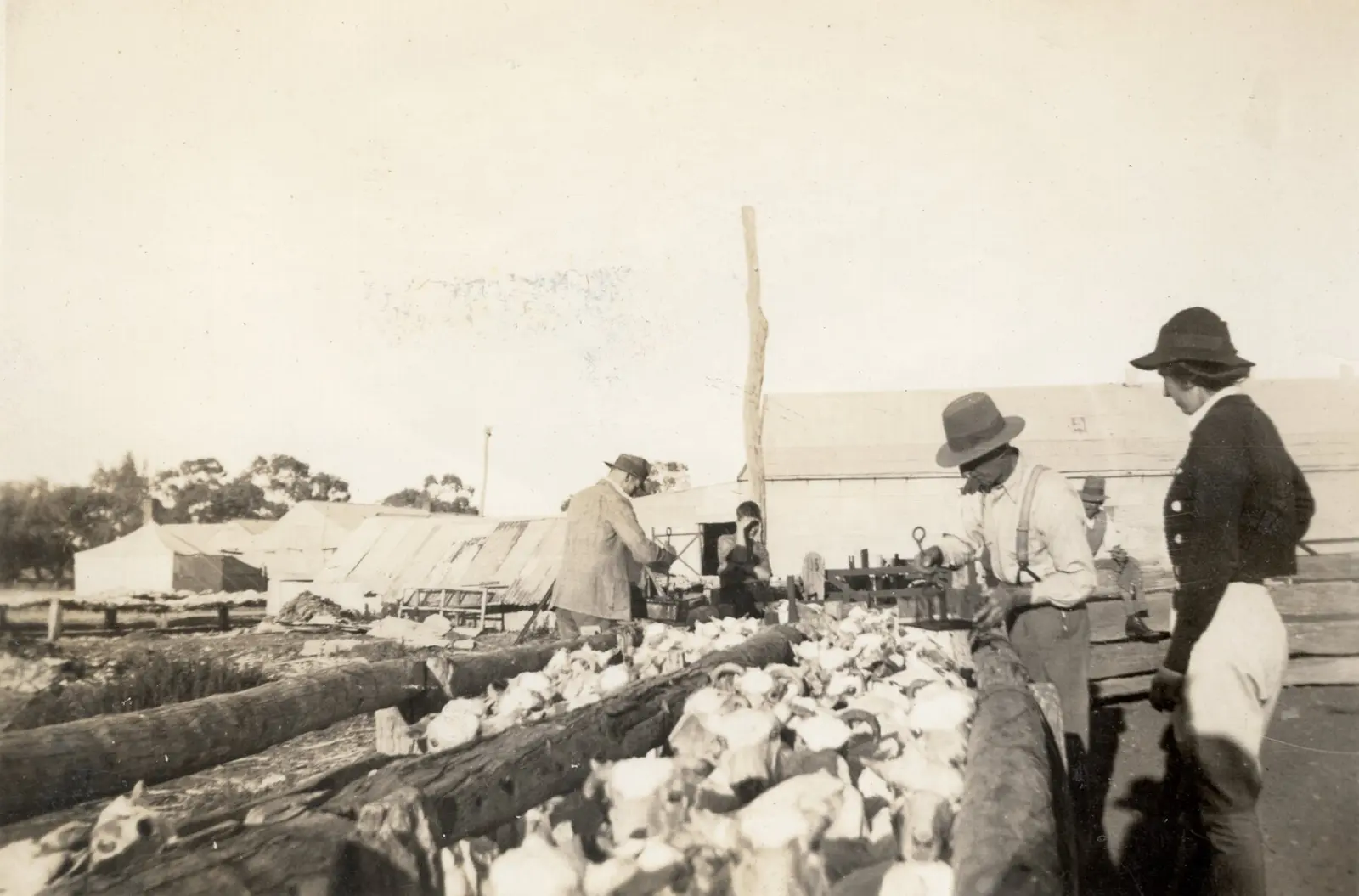
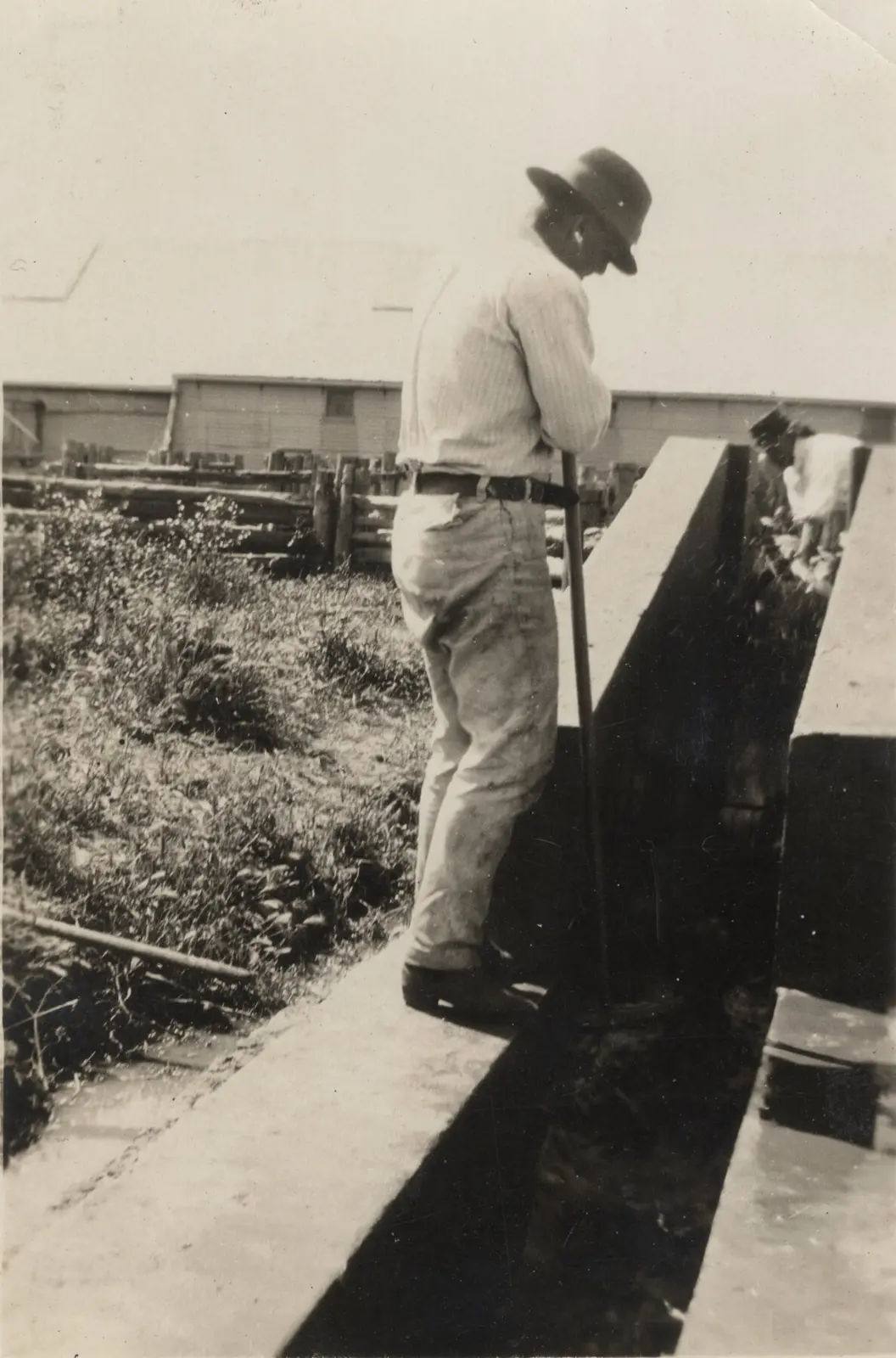
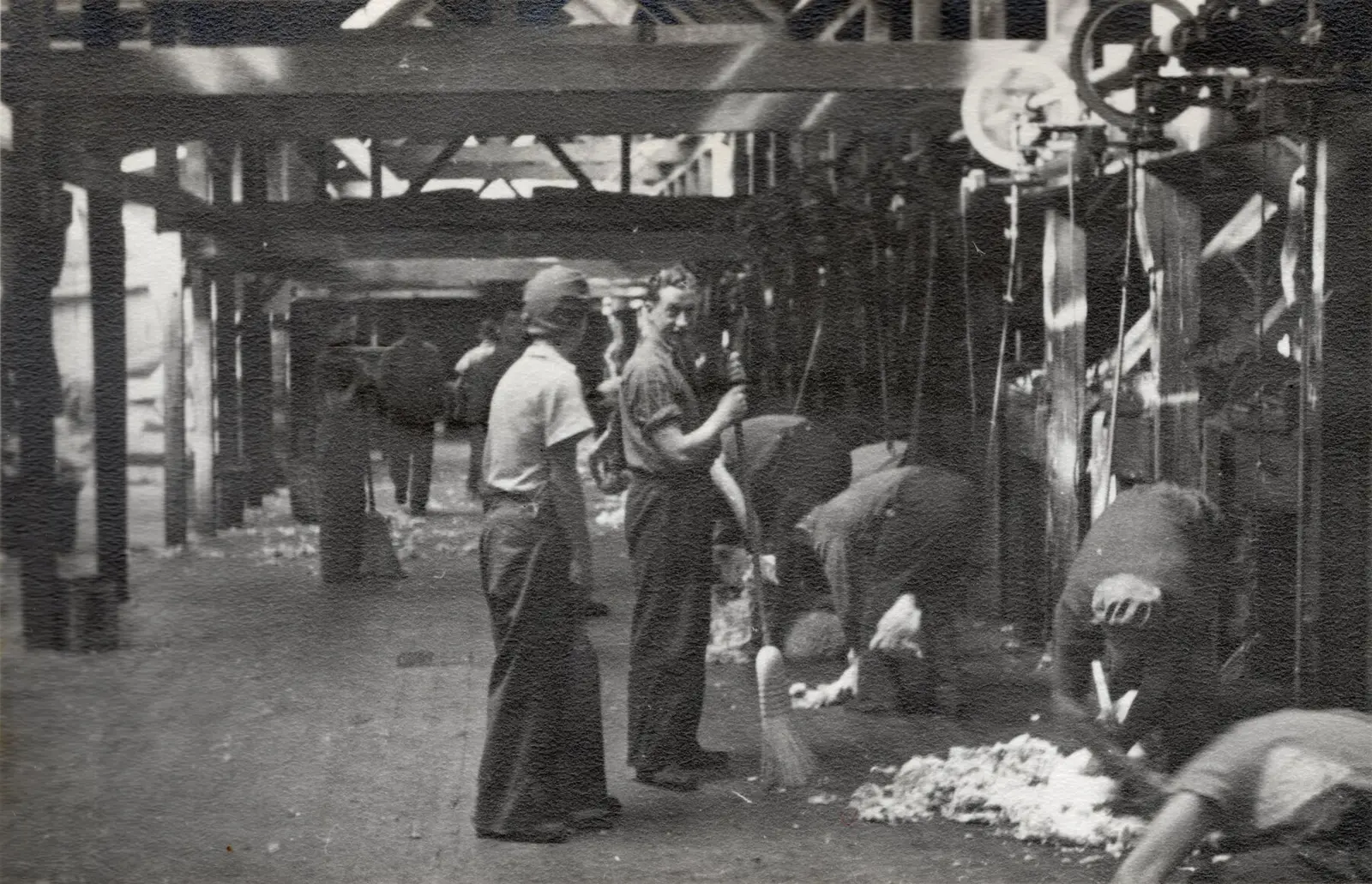
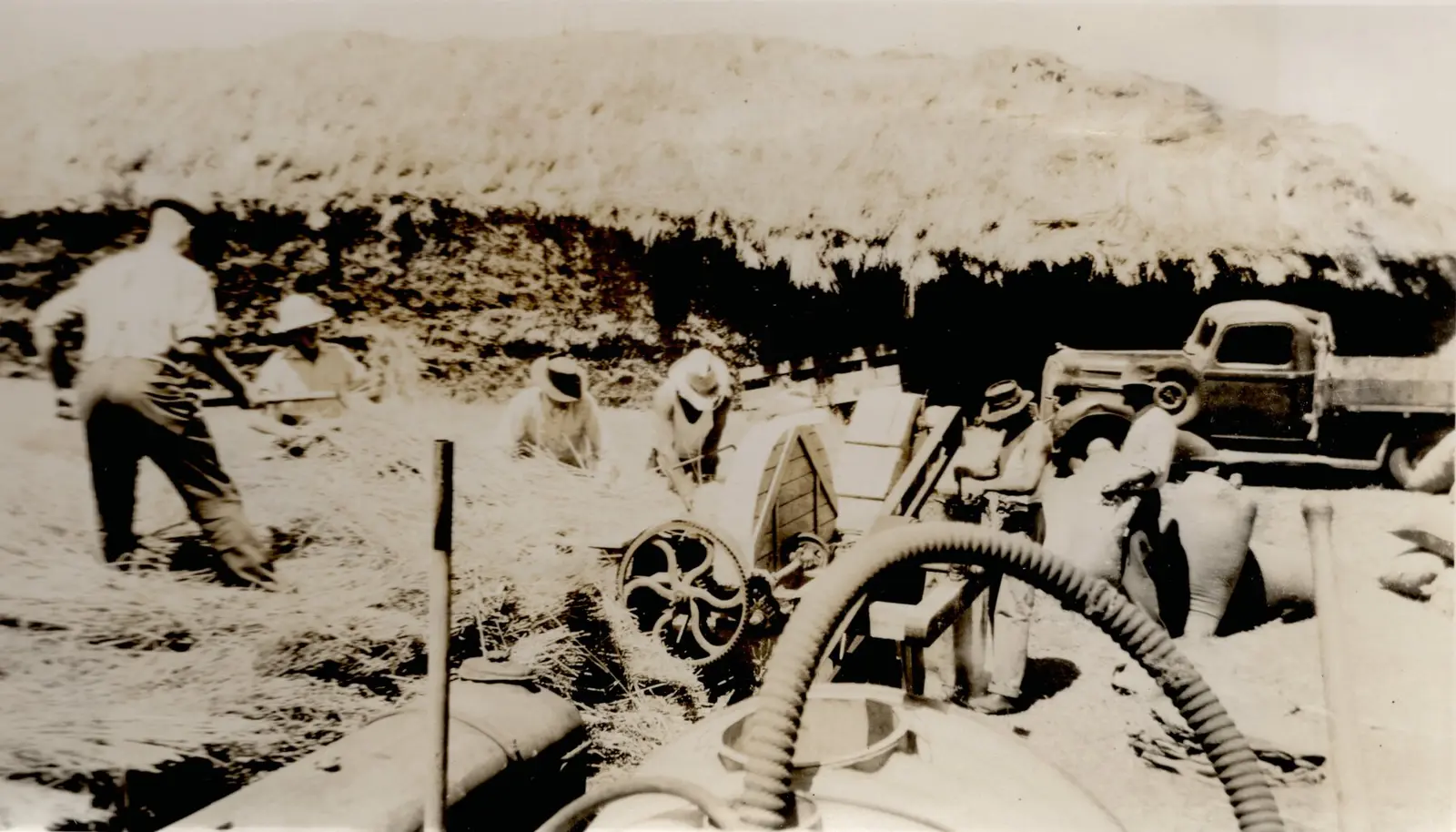
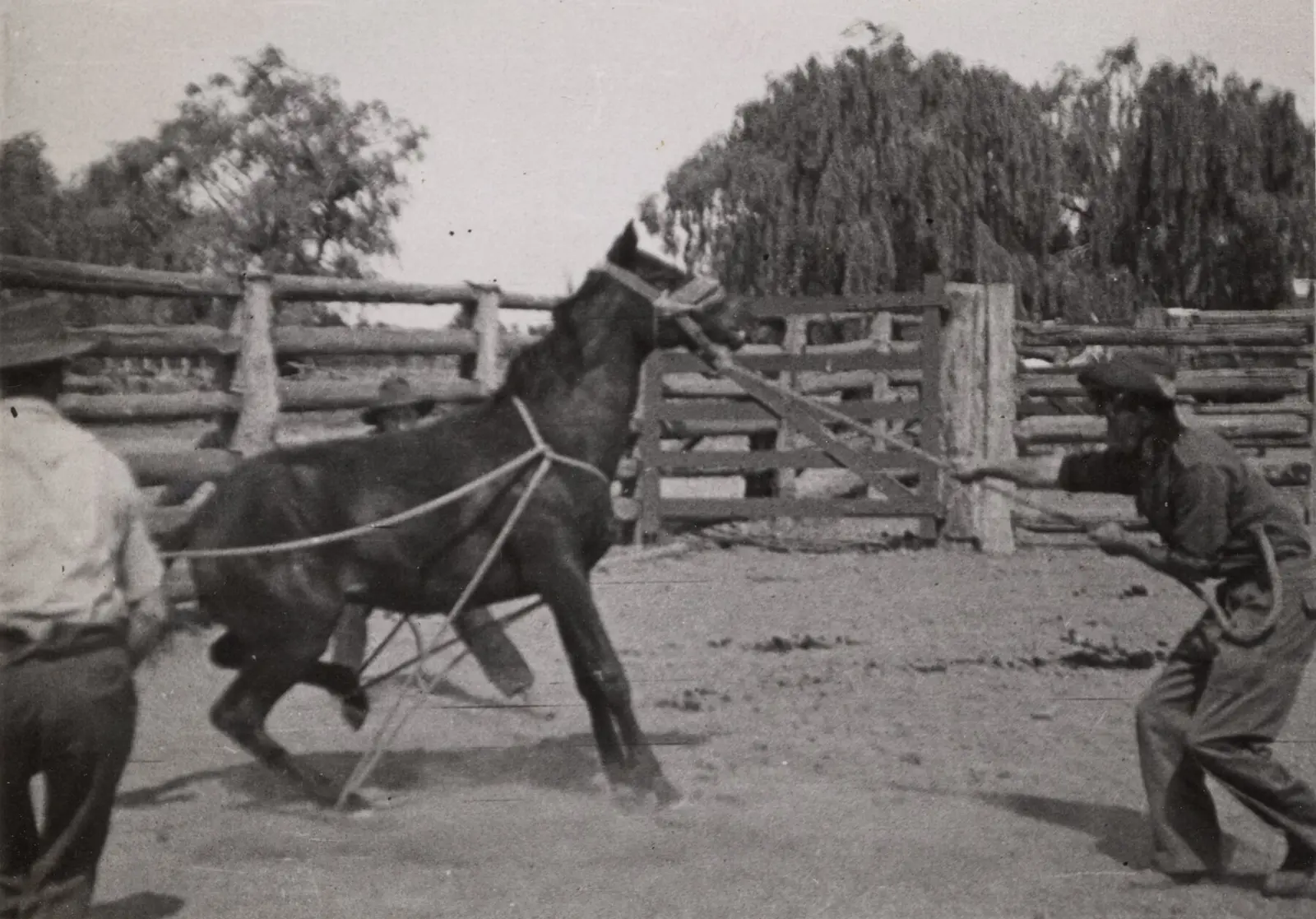
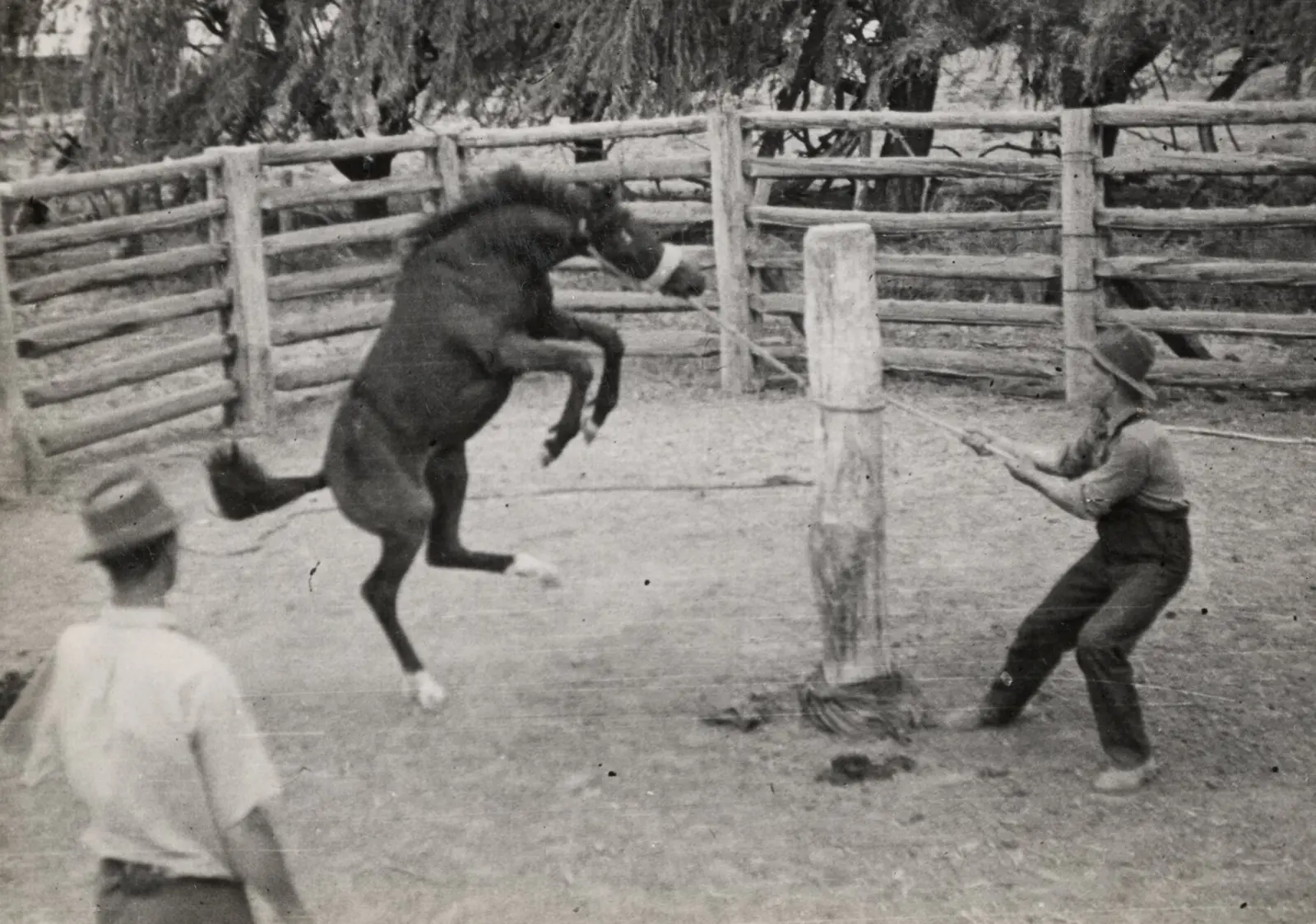
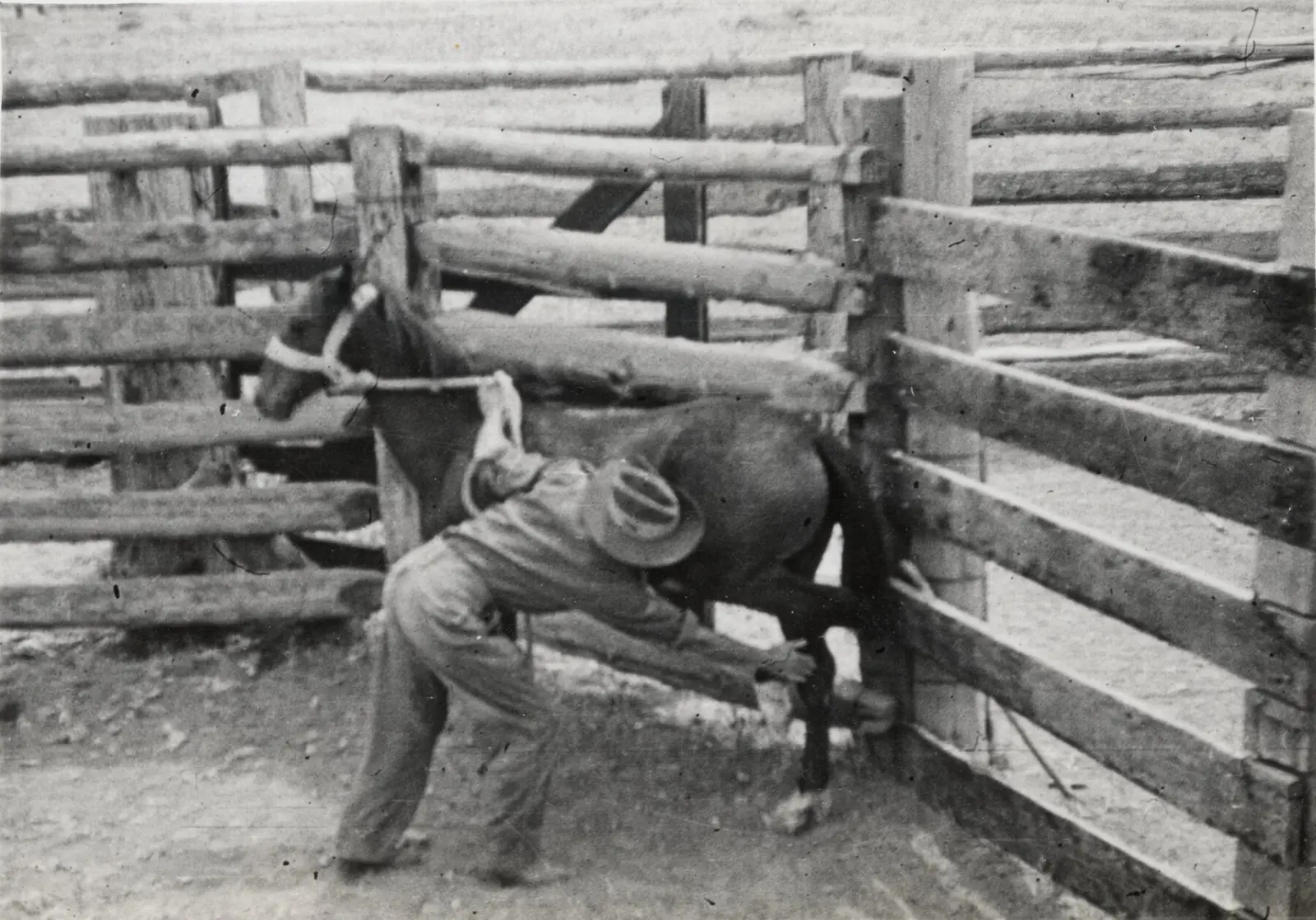
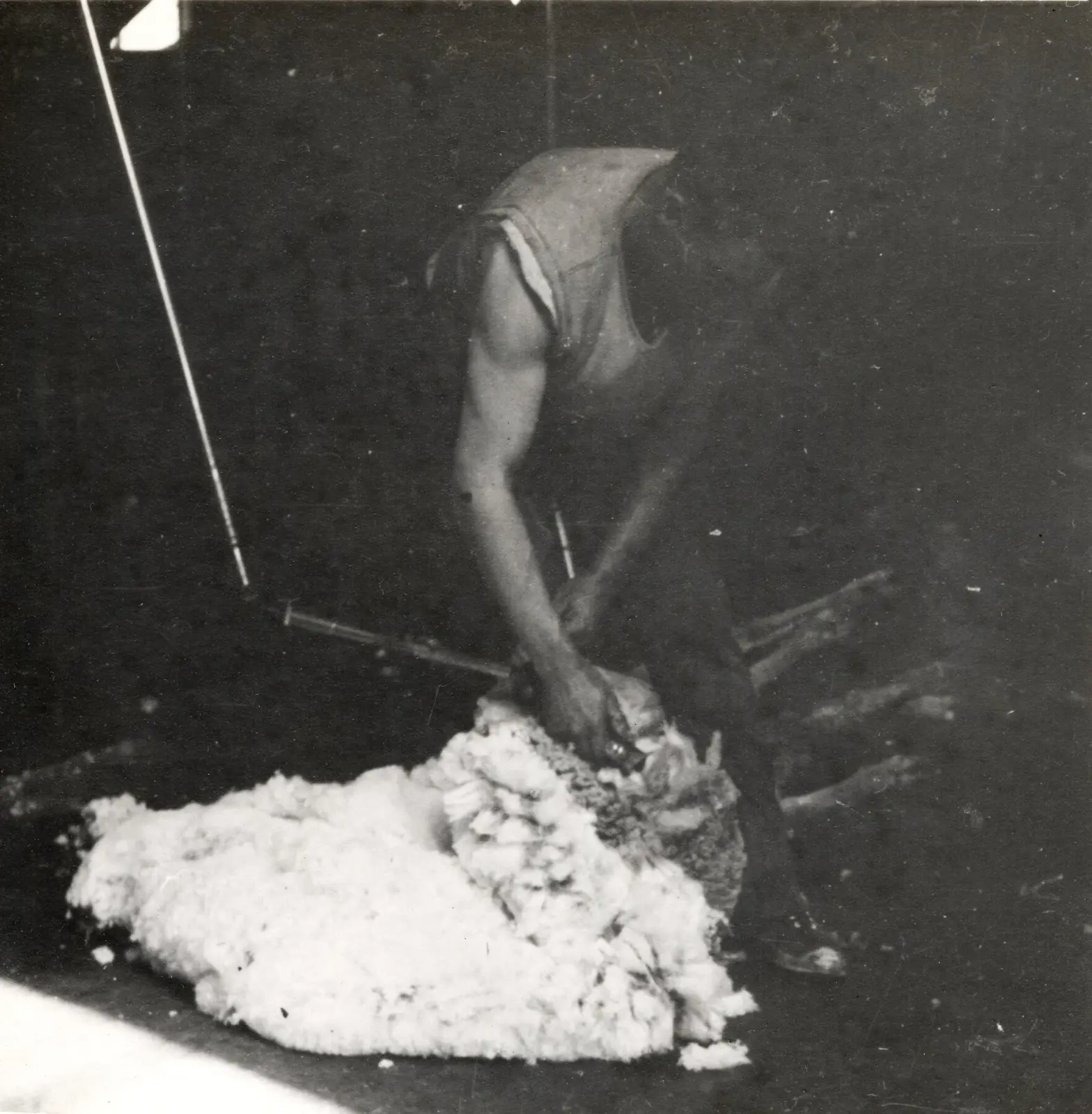
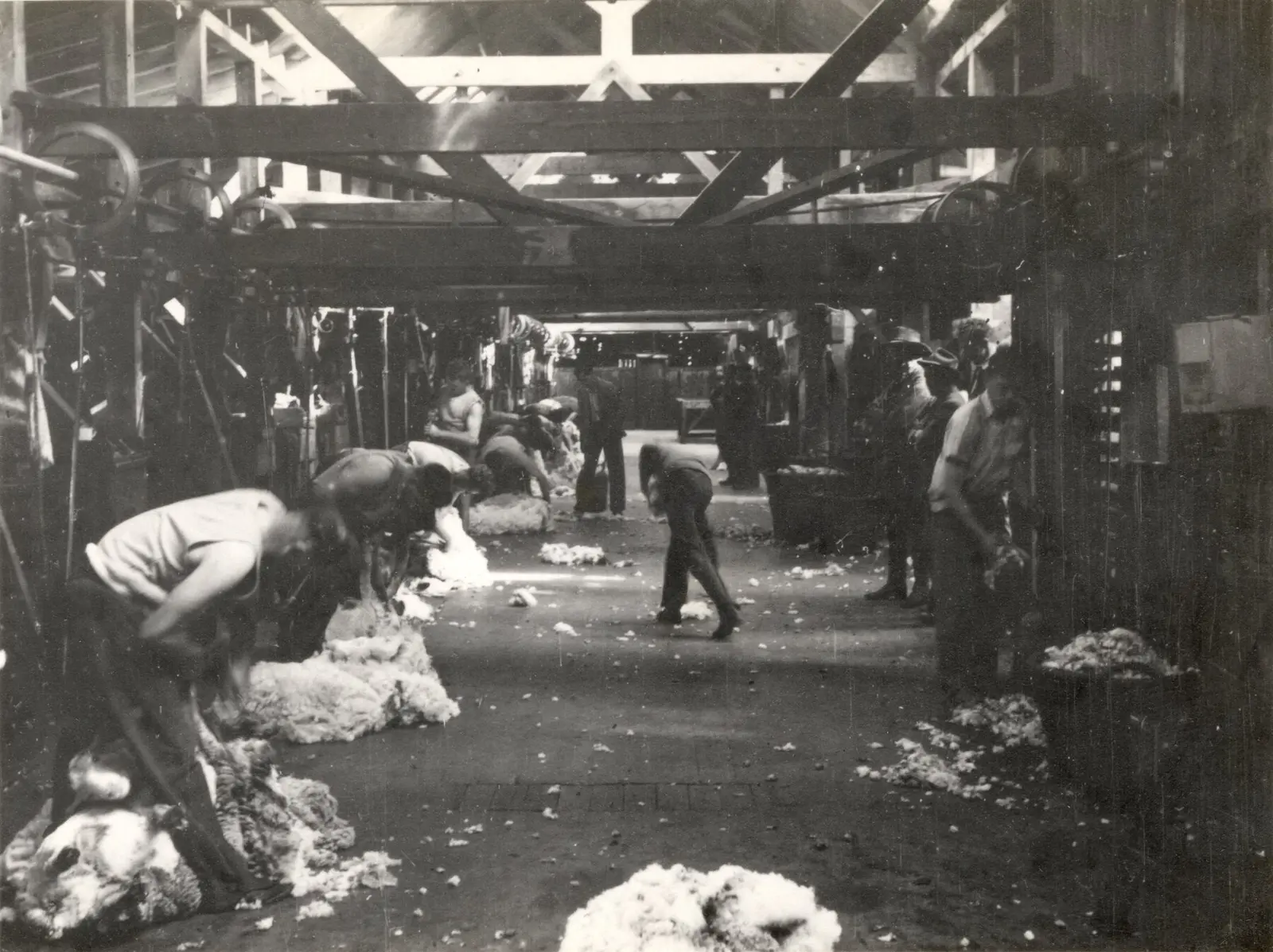
By 1947, Bill was working in the wool shed itself, and the photographs from that season’s shearing are some of the best documentary images in the whole collection — sheep flowing through the yards in their hundreds, a fleece thrown onto the skirting table with the wool still frozen mid-air, and the shed’s wool classer, E. Dawes, at work over the bins. There’s horse-breaking too, captured mid-buck, rope pulled taut against a post.
It’s worth mentioning here, for anyone who’s visited the shed and looked up: two photographs already in our own woolshed gallery, shown below, show initials stencilled into a roof rafter, and Marianne has confirmed they’re Bill’s own — a physical trace of him, left sometime during these years as a jackeroo and overseer, still legible in the shed today.
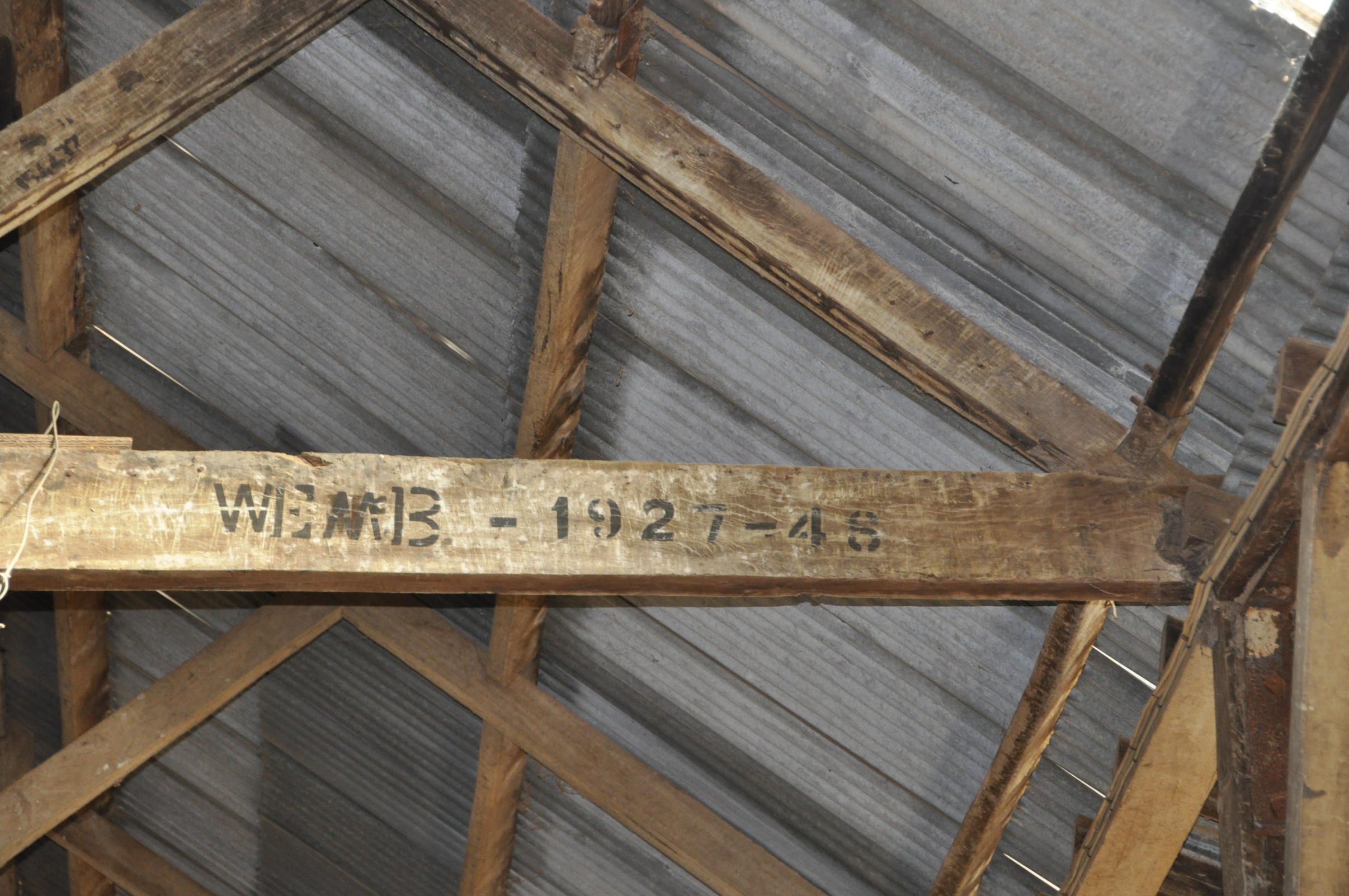
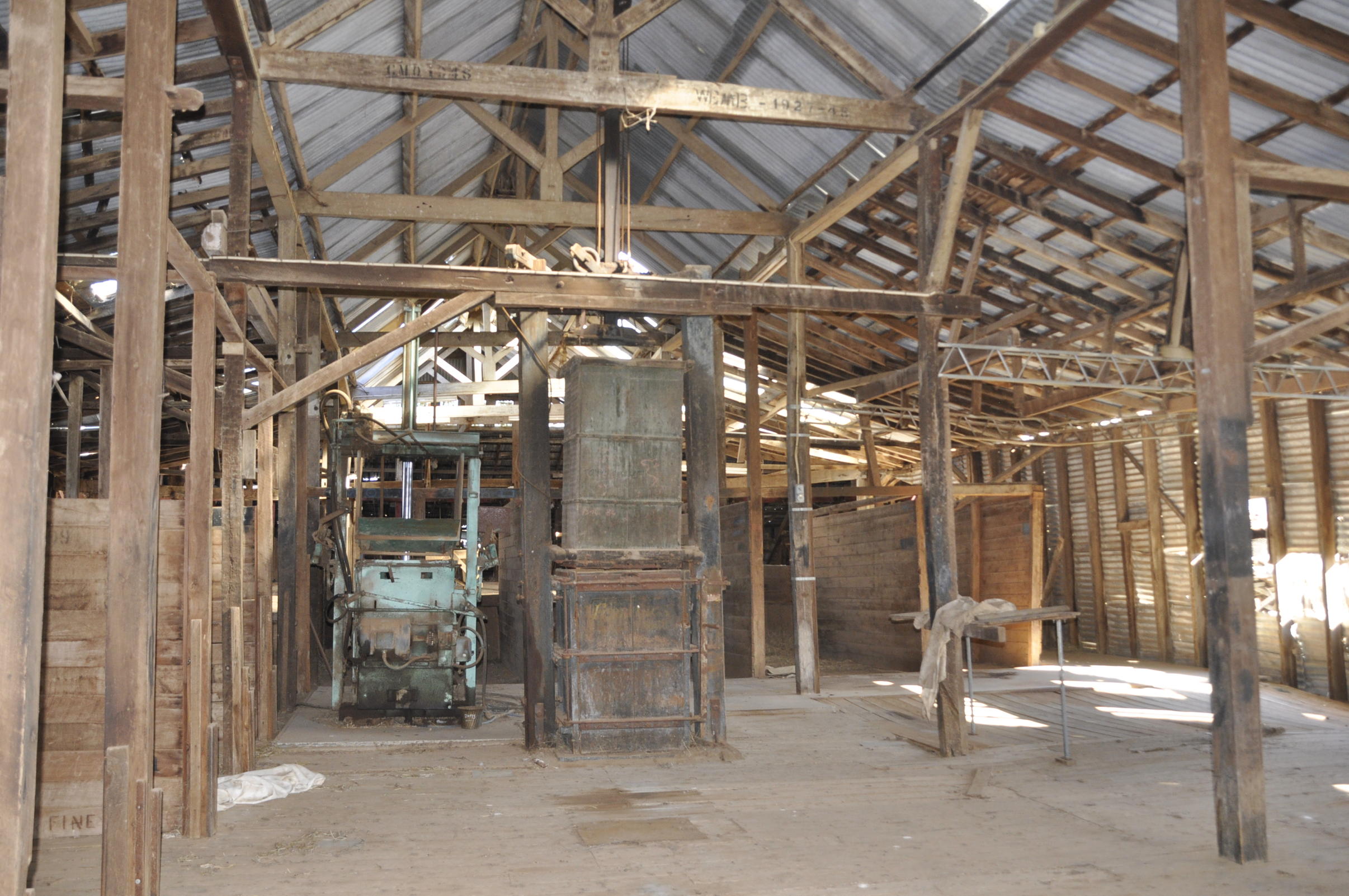
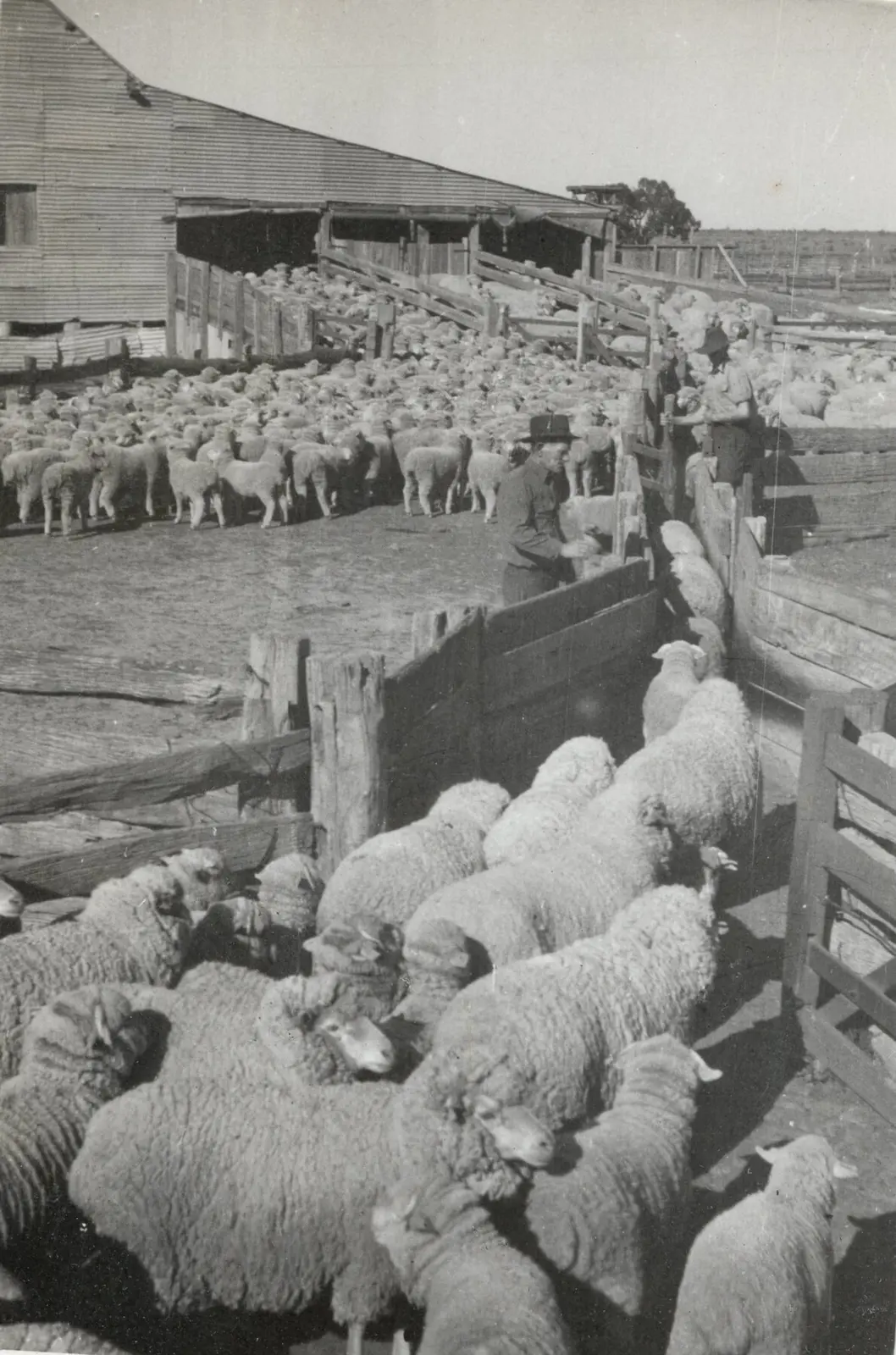
4 photos — click any image to browse full gallery
Leaving Toganmain
Bill left Toganmain in 1950, after growing up on the station his father managed, working as a jackeroo on other properties, and returning to Toganmain as overseer. He went on to work as a mulesing contractor around Hay before being appointed Manager of Bringagee Station in 1957. He married Julia Sides, and they had two children, Hamish and Katrina — Katrina being, as it happens, Marianne herself. Arn McBratney married Keith Turner in 1953, and the couple became the well-respected owners of Woorandara, Booligal; they had three children, Gordon (of Brassbutt, Booligal), Karen and Annette. Jack stayed on the land he’d managed for so long; he died in 1952, aged eighty-five, having spent virtually the whole of his working life at Toganmain. Both men are buried in Hay Cemetery. Between them: fifty-six years, two generations, one family’s stewardship of the place.
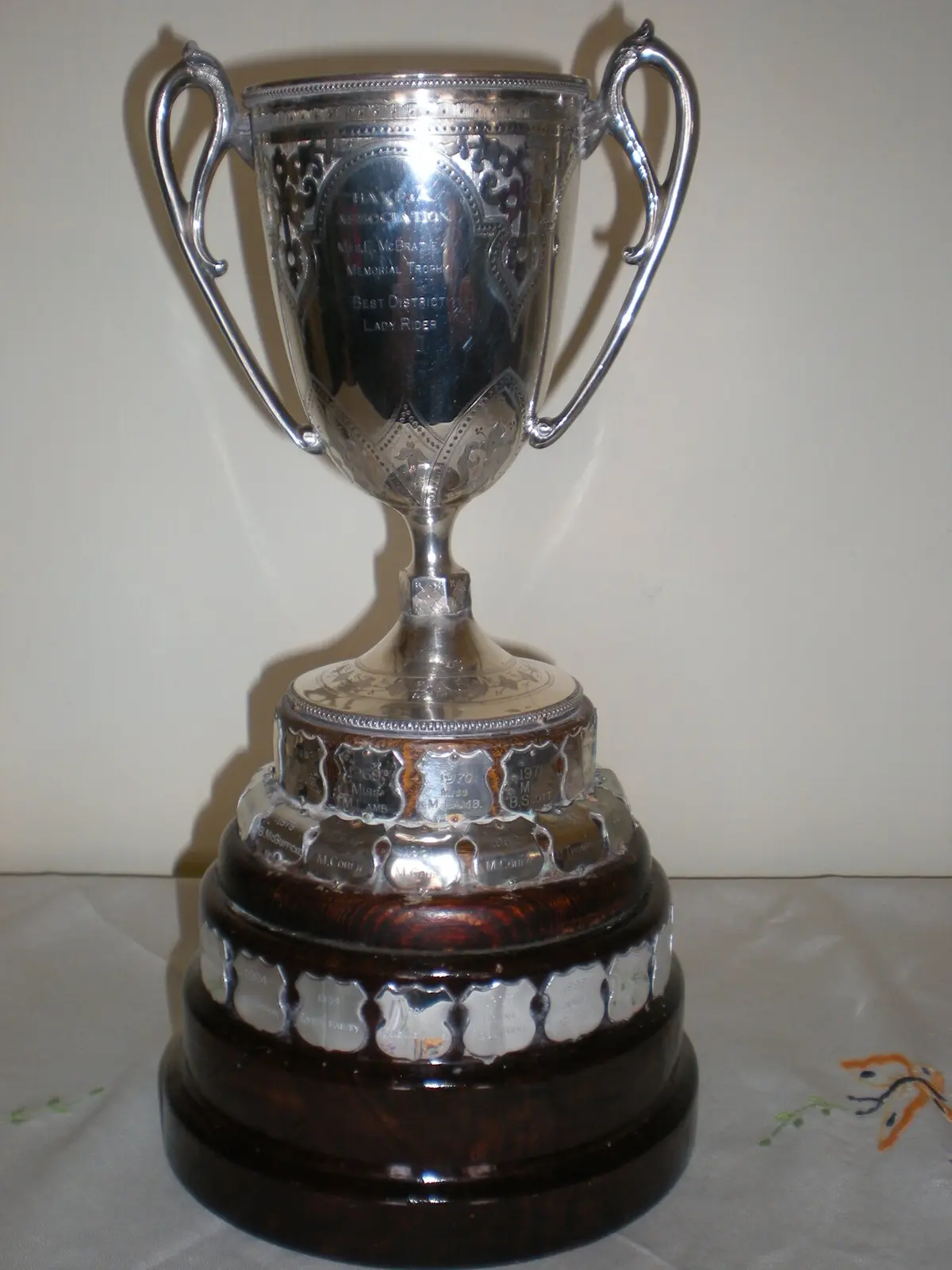
Two small postscripts, both of which feel like the right note to close on. The Hay Pastoral & Agricultural Association’s Mrs Ethel McBratney Memorial Trophy, awarded for many years to the district’s Best Lady Rider, lapsed when the event itself did — and was only returned to the extended family this year, sitting once again on a McBratney mantelpiece more than a century after Ethel first rode at Toganmain. And Marianne herself remembers visiting the old homestead as a child of about six, after it was no longer lived in, and says simply that she’s proud of her family’s connection to this place. The story isn’t only history. It’s still alive in the family today.
With thanks to Marianne Thorne, who shared her family’s story, photographs and the original 1894 papers that began it all.
More from the Album
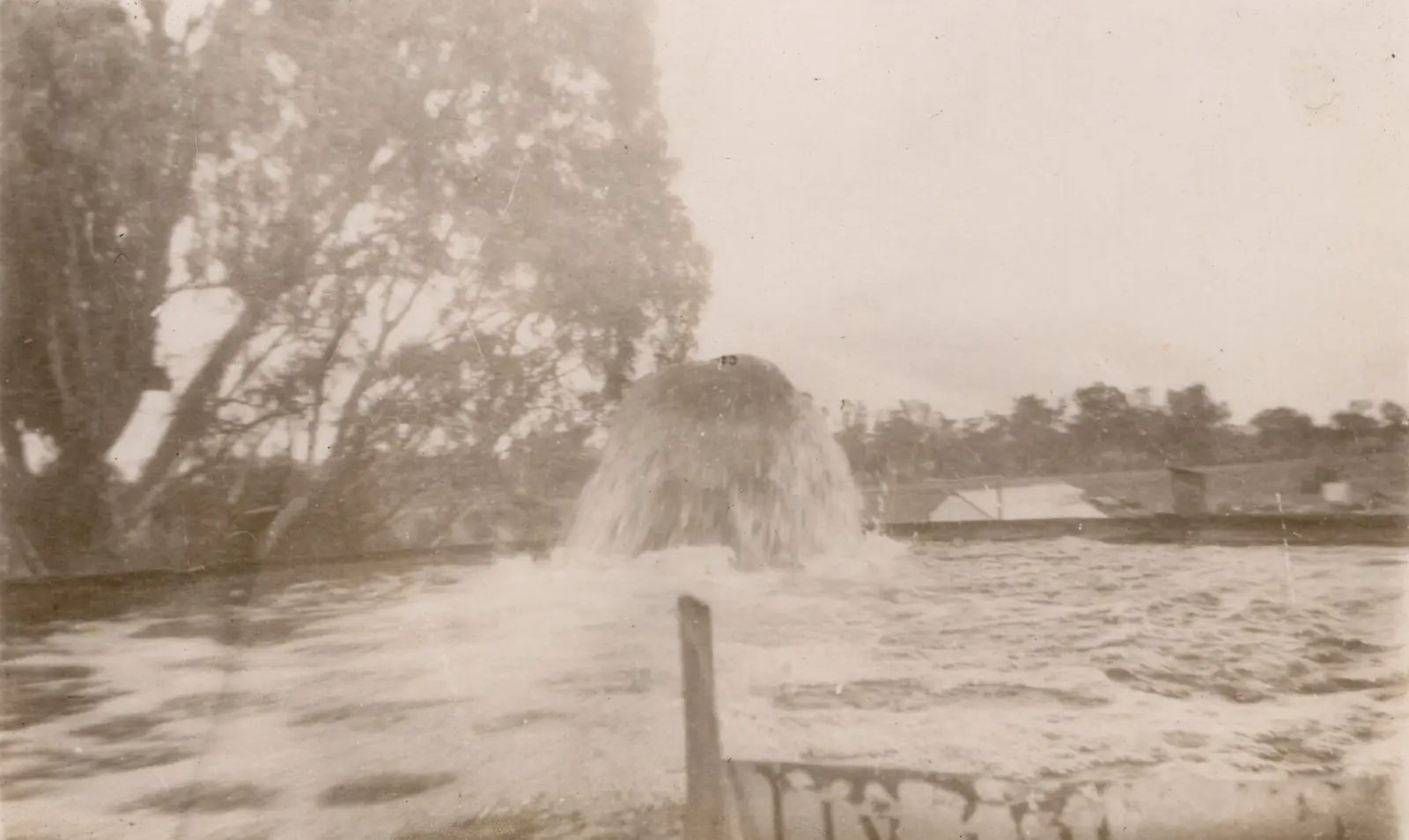
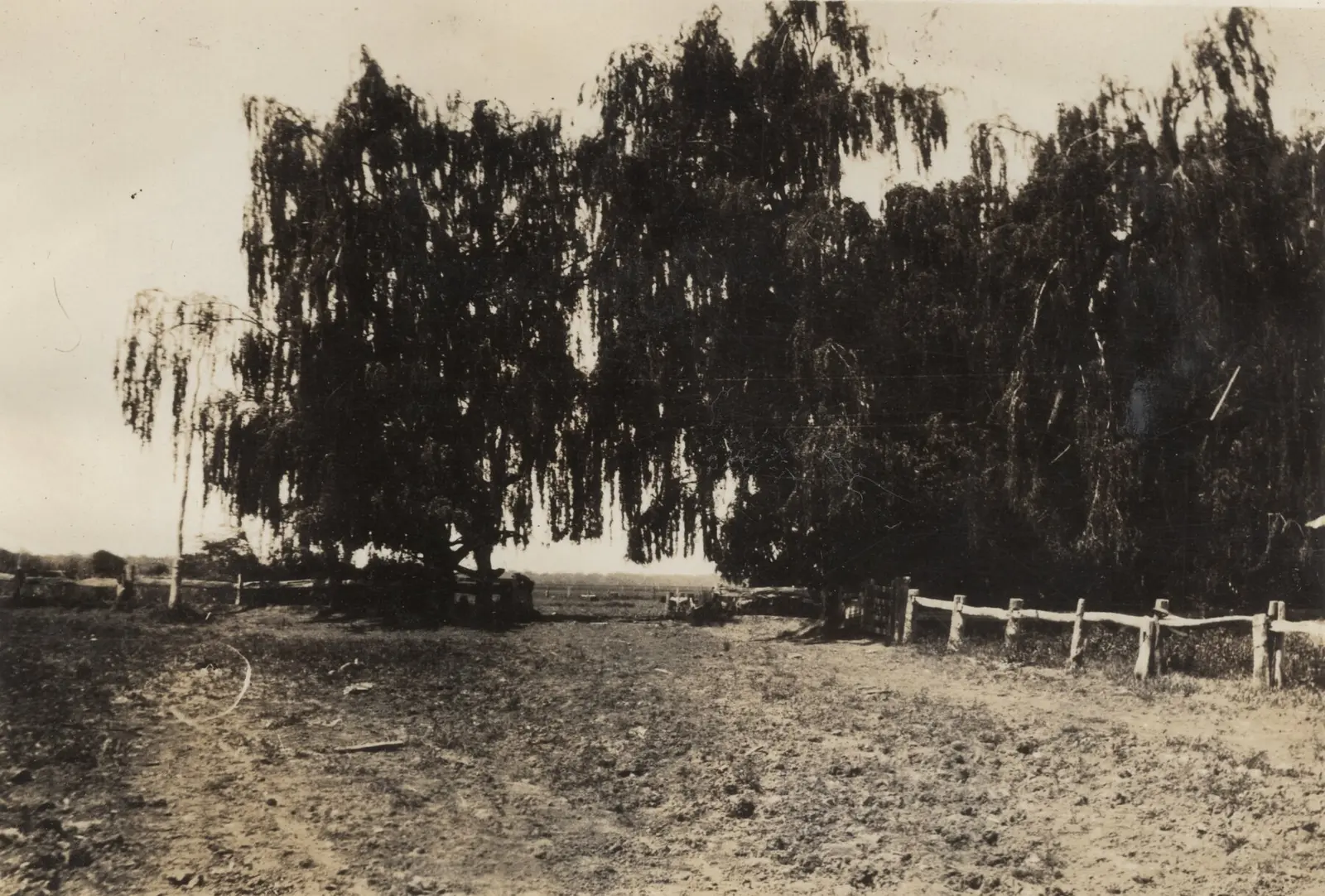
Marianne’s collection runs to well over a hundred photographs, and the sections above use only the strongest and clearest of them. The rest of the usable material — everything that isn’t a near-duplicate, a blurred or washed-out frame, or simply a weaker repeat of a shot already shown — is collected here, grouped loosely by subject and period, for anyone who wants to keep browsing.
Visitors, Sport & the Wider Station
16 photos — click any image to browse full gallery
Shearing, Drought & Everyday Work
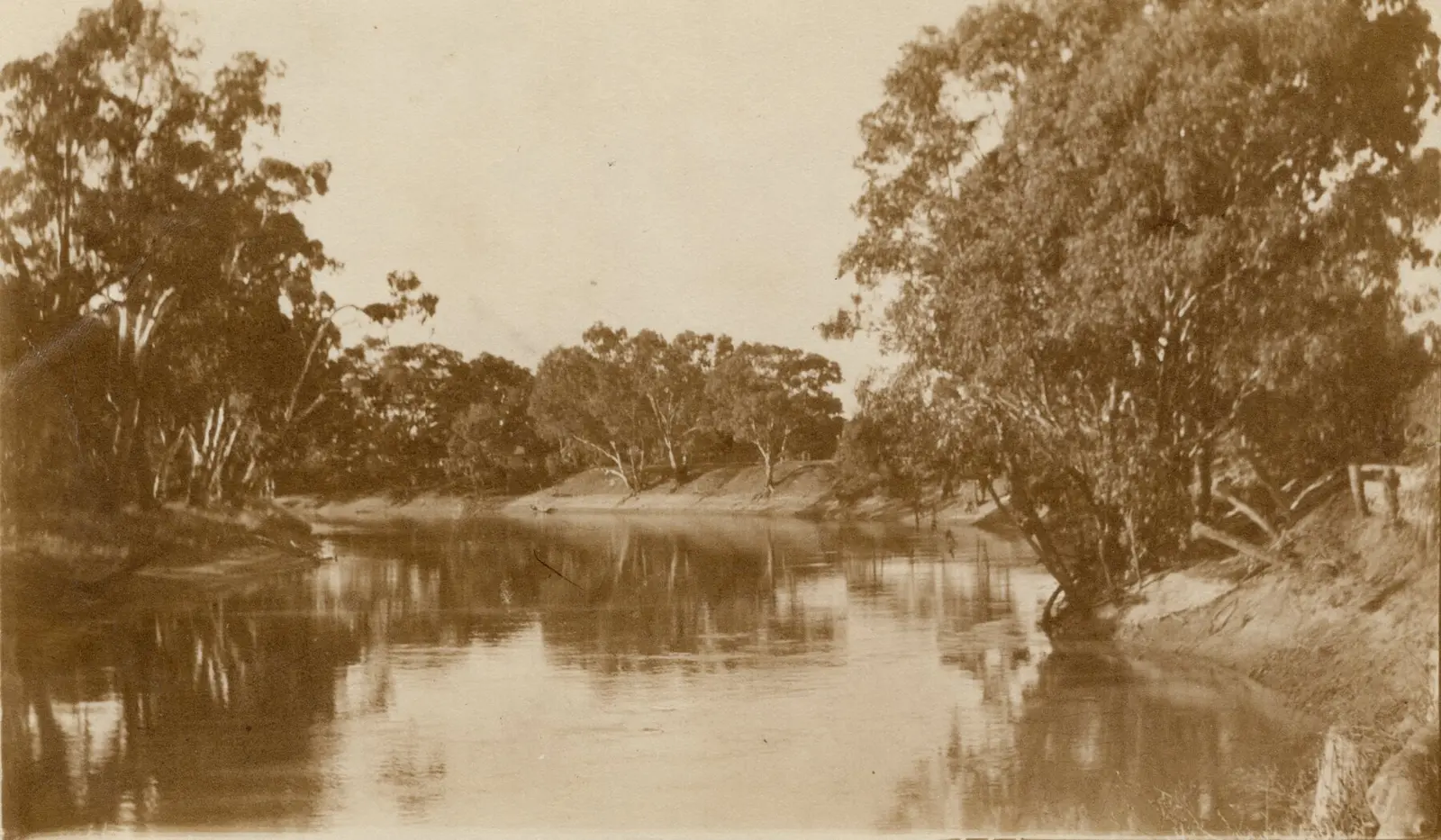
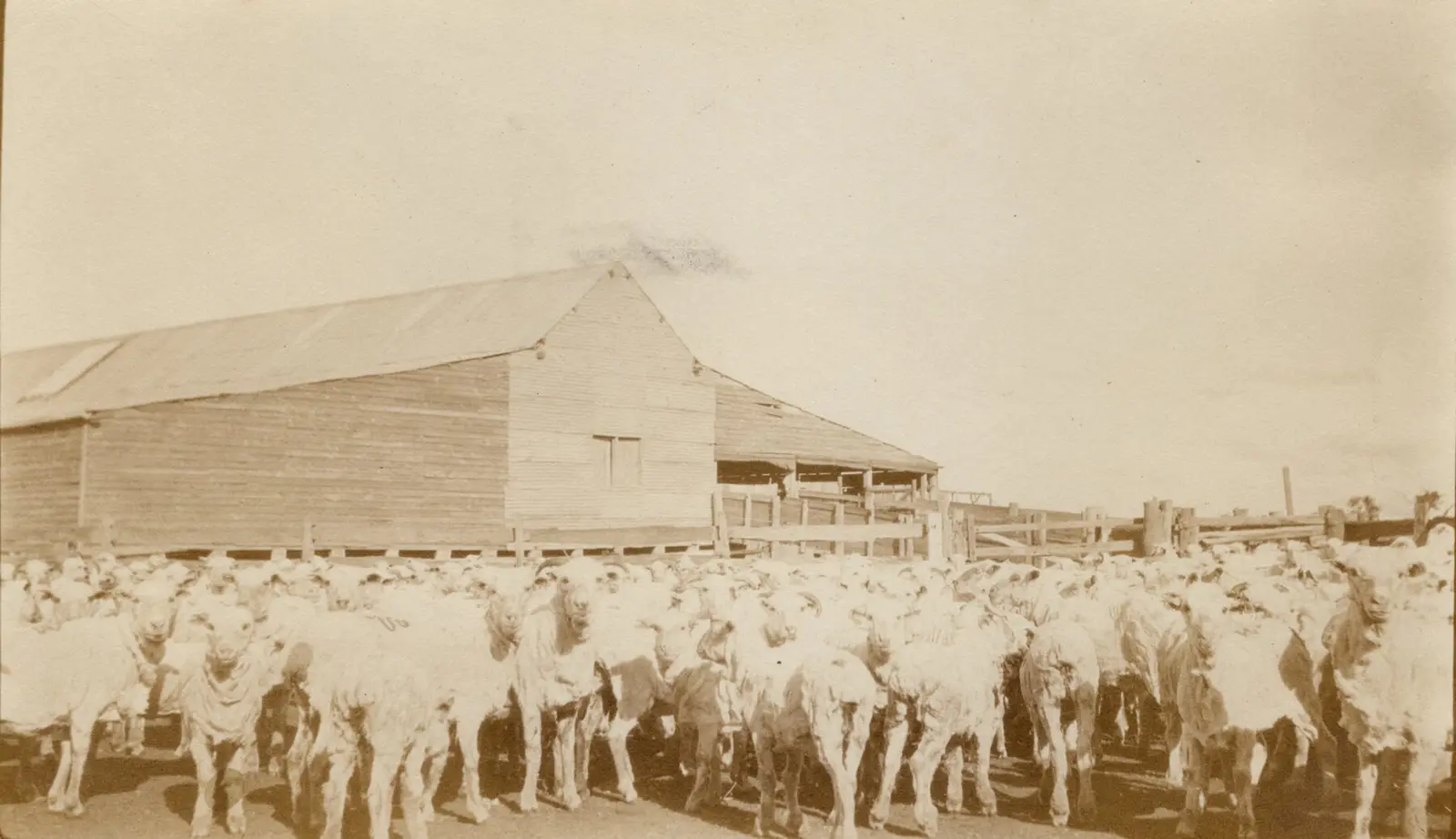
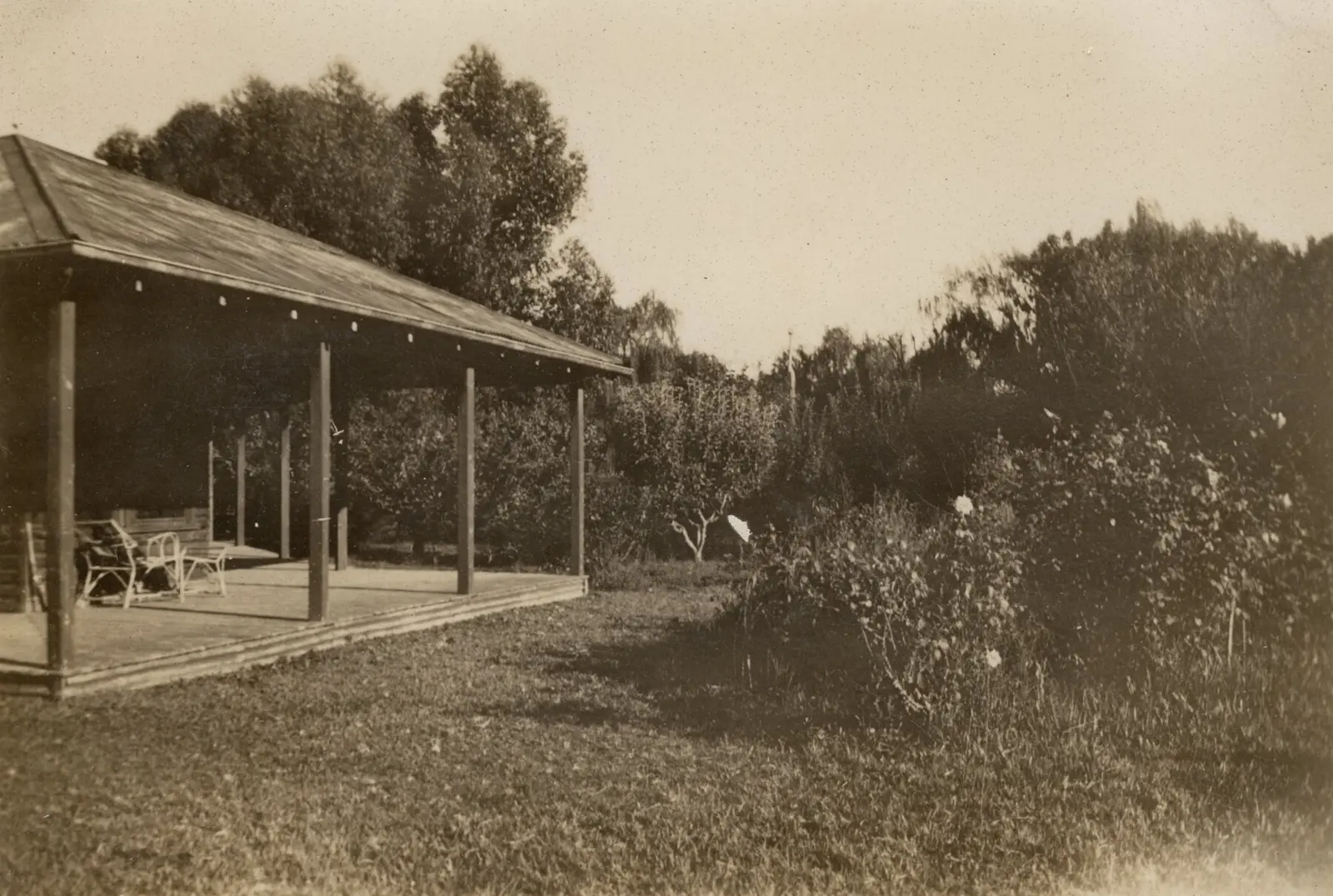
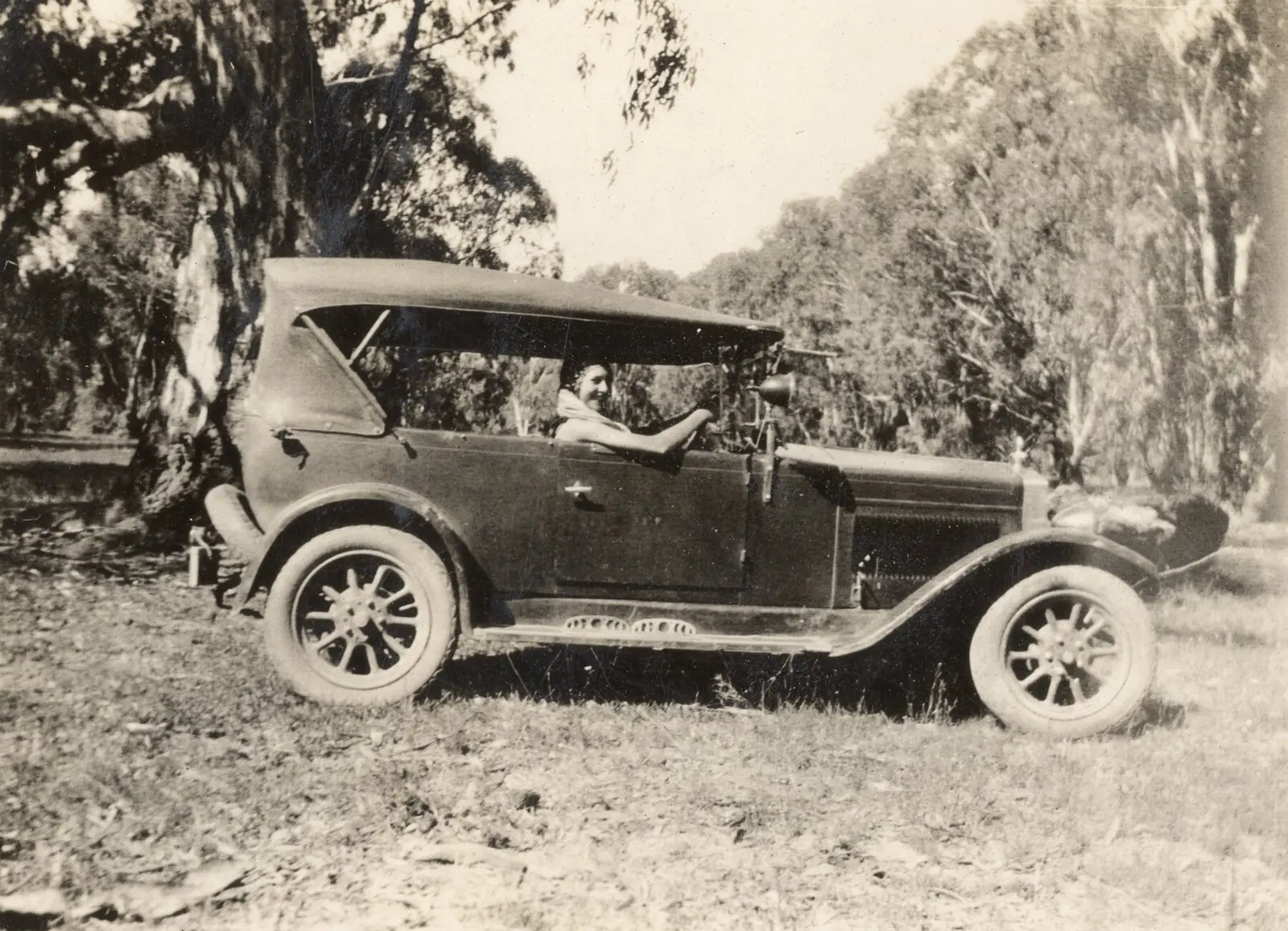
10 photos — click any image to browse full gallery
The Home Paddock & River, 1940s
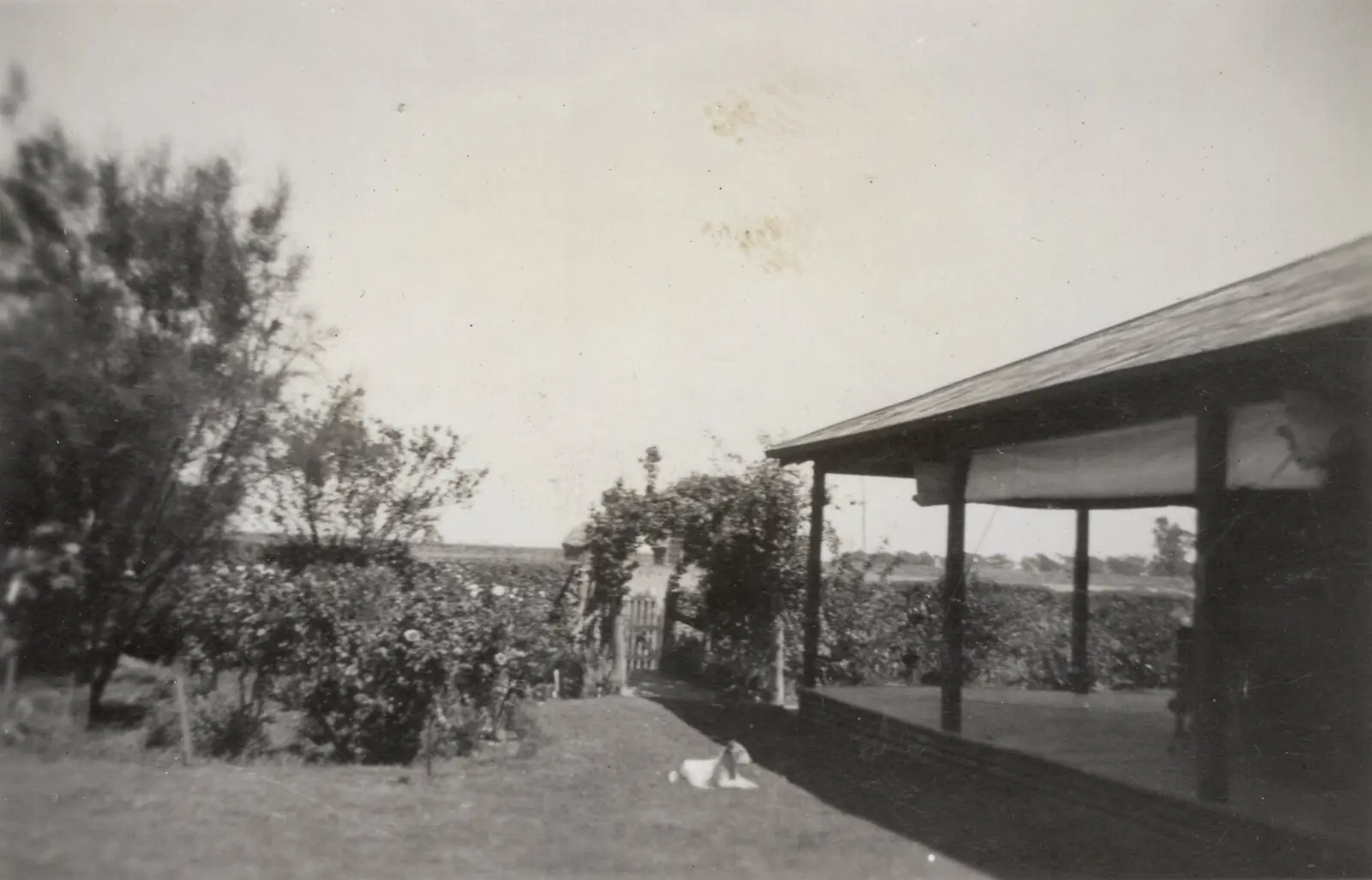
16 photos — click any image to browse full gallery
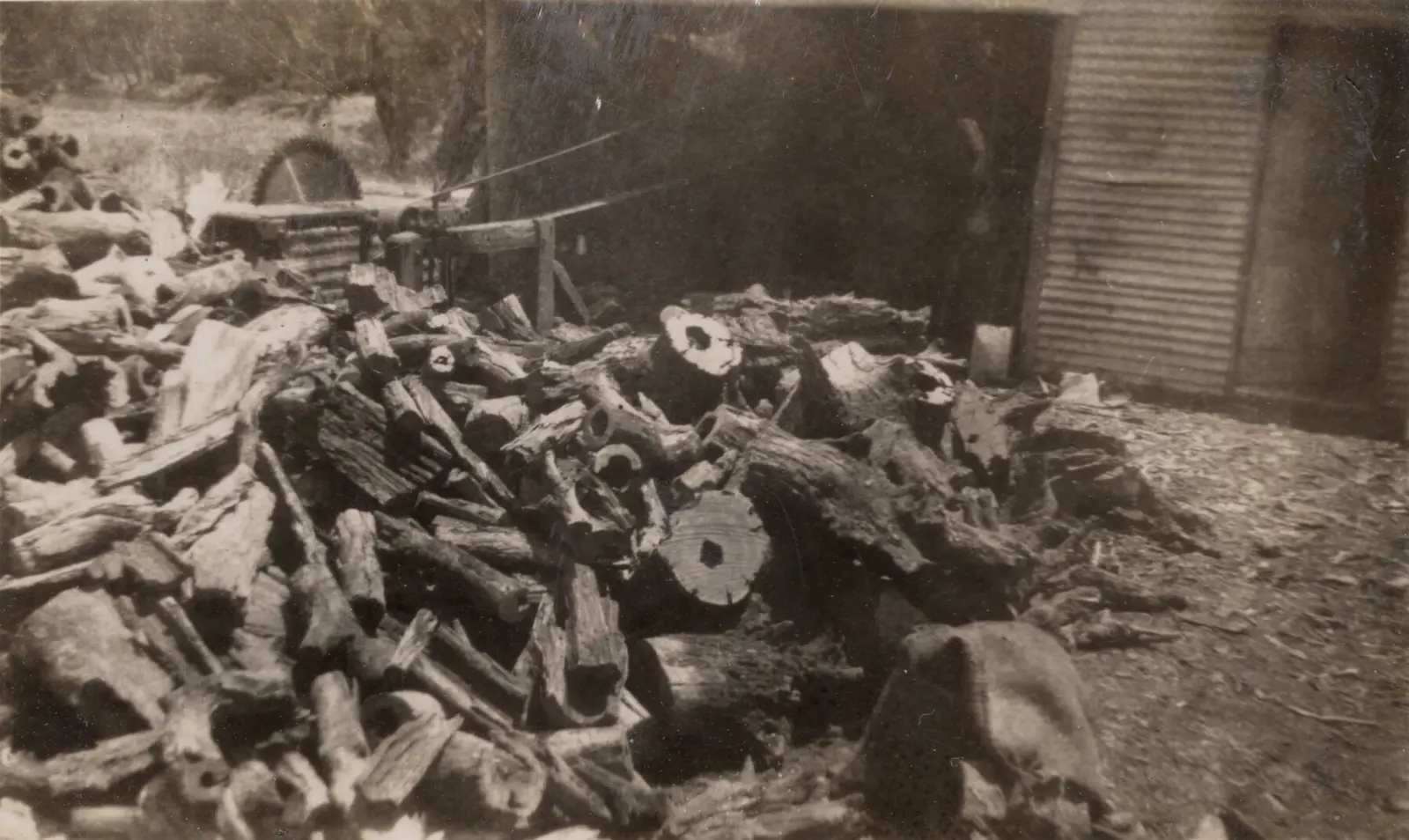
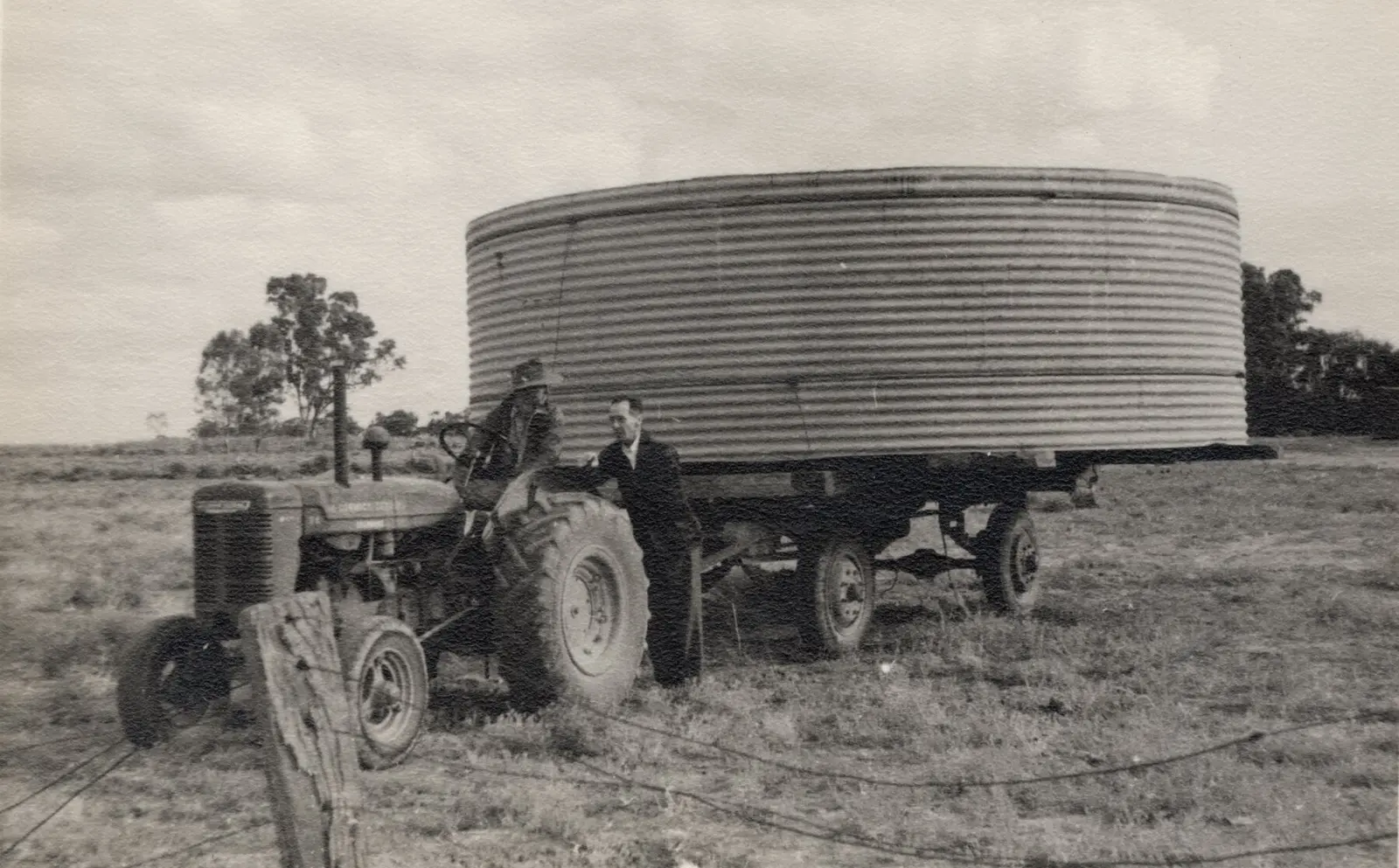
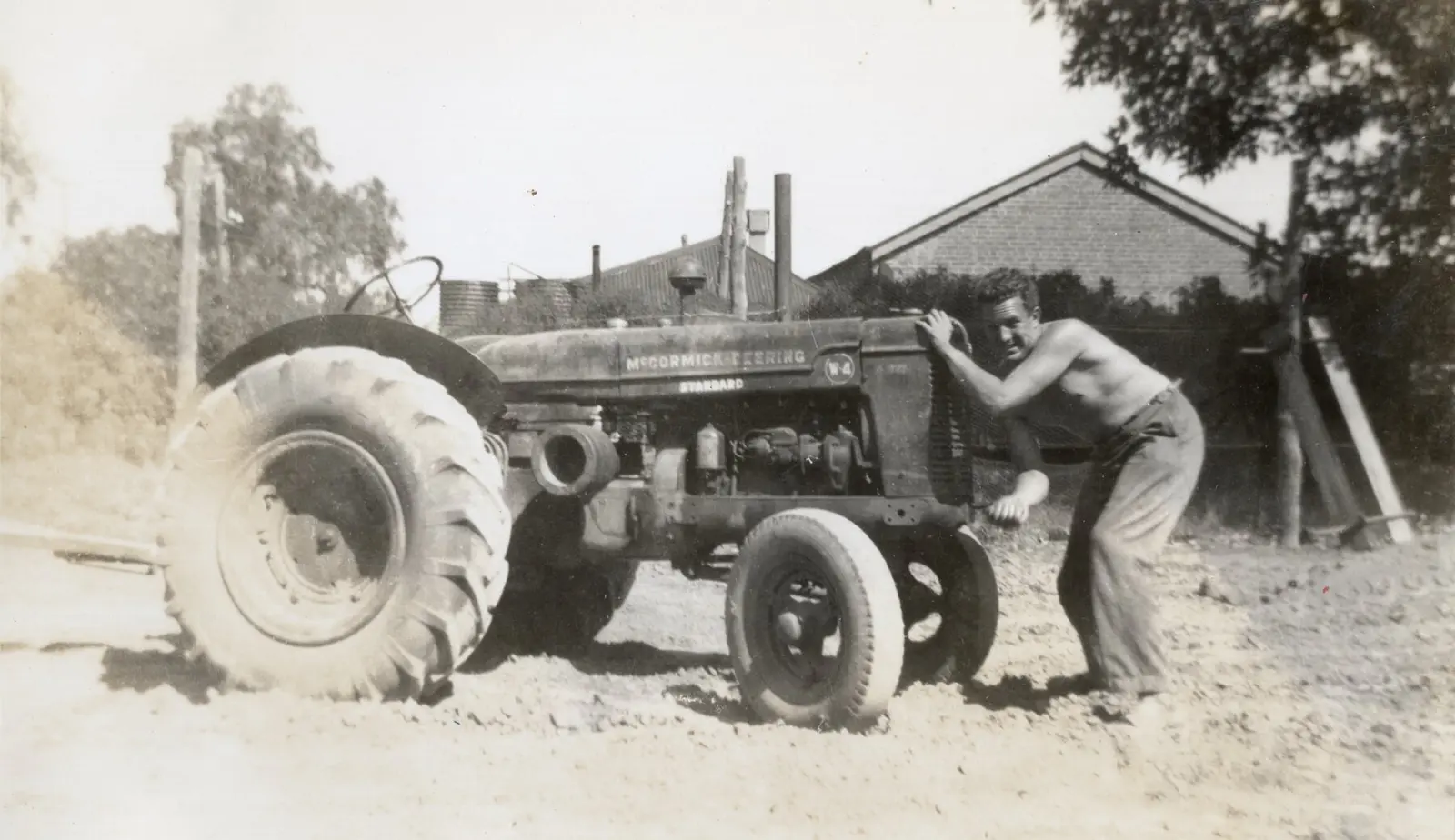
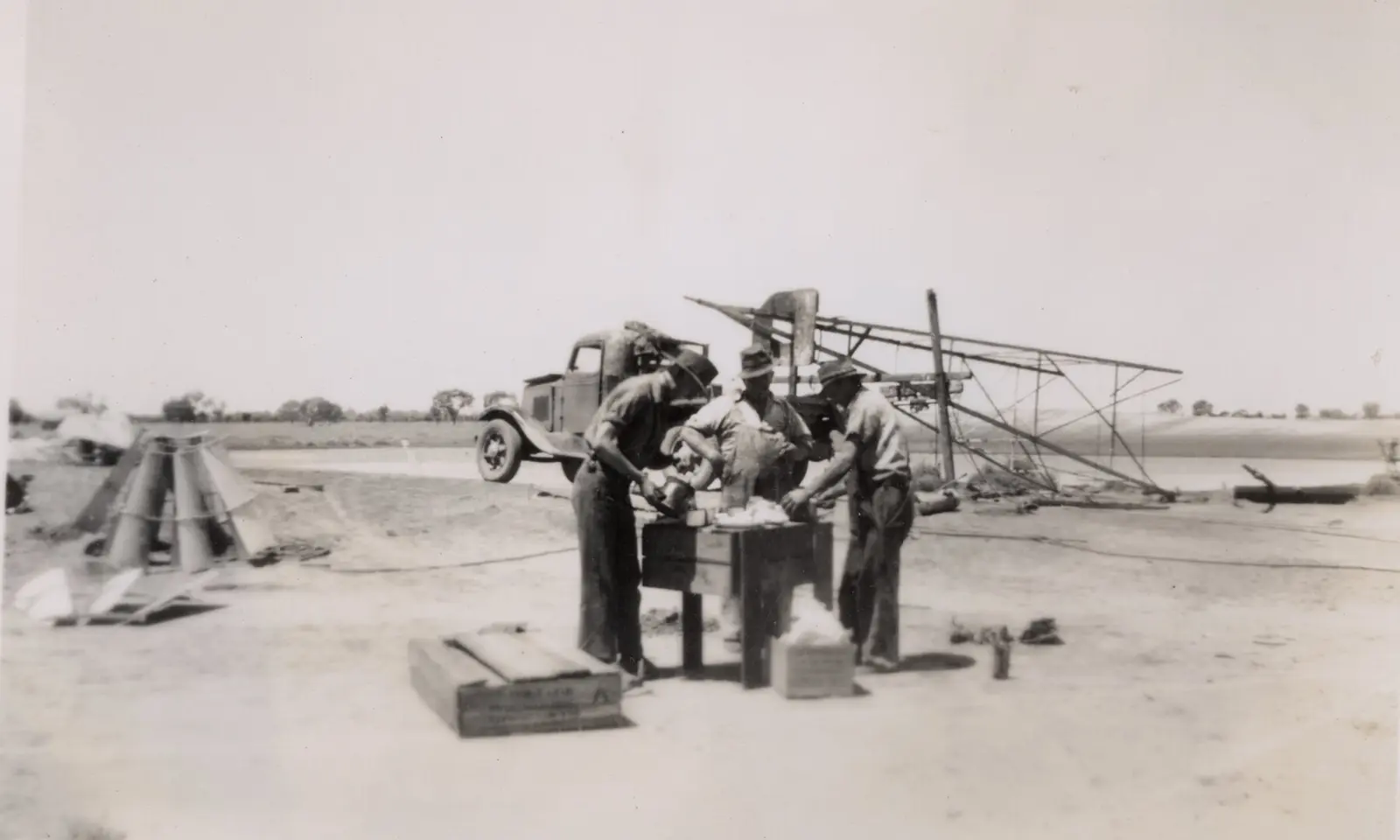
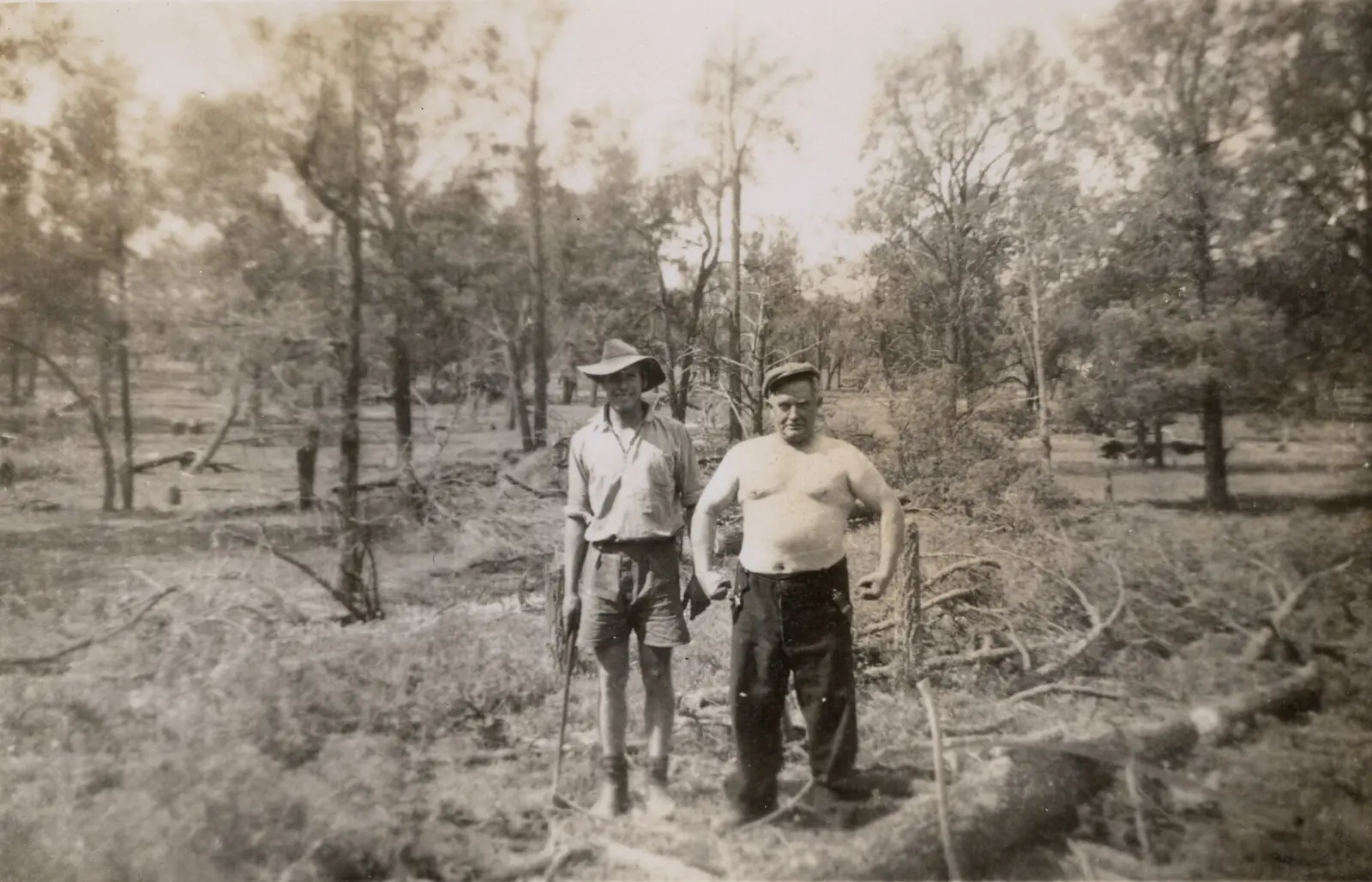
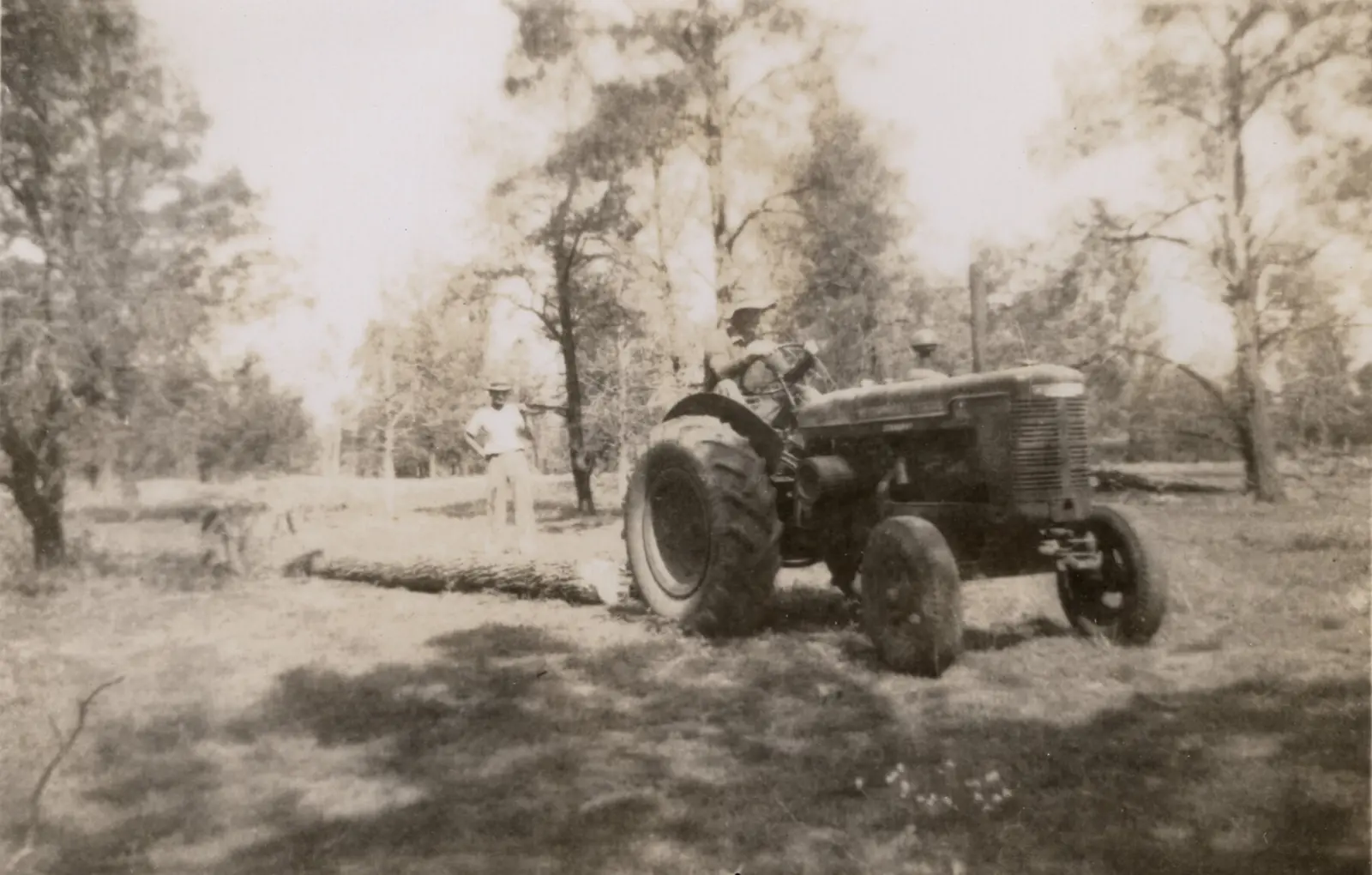
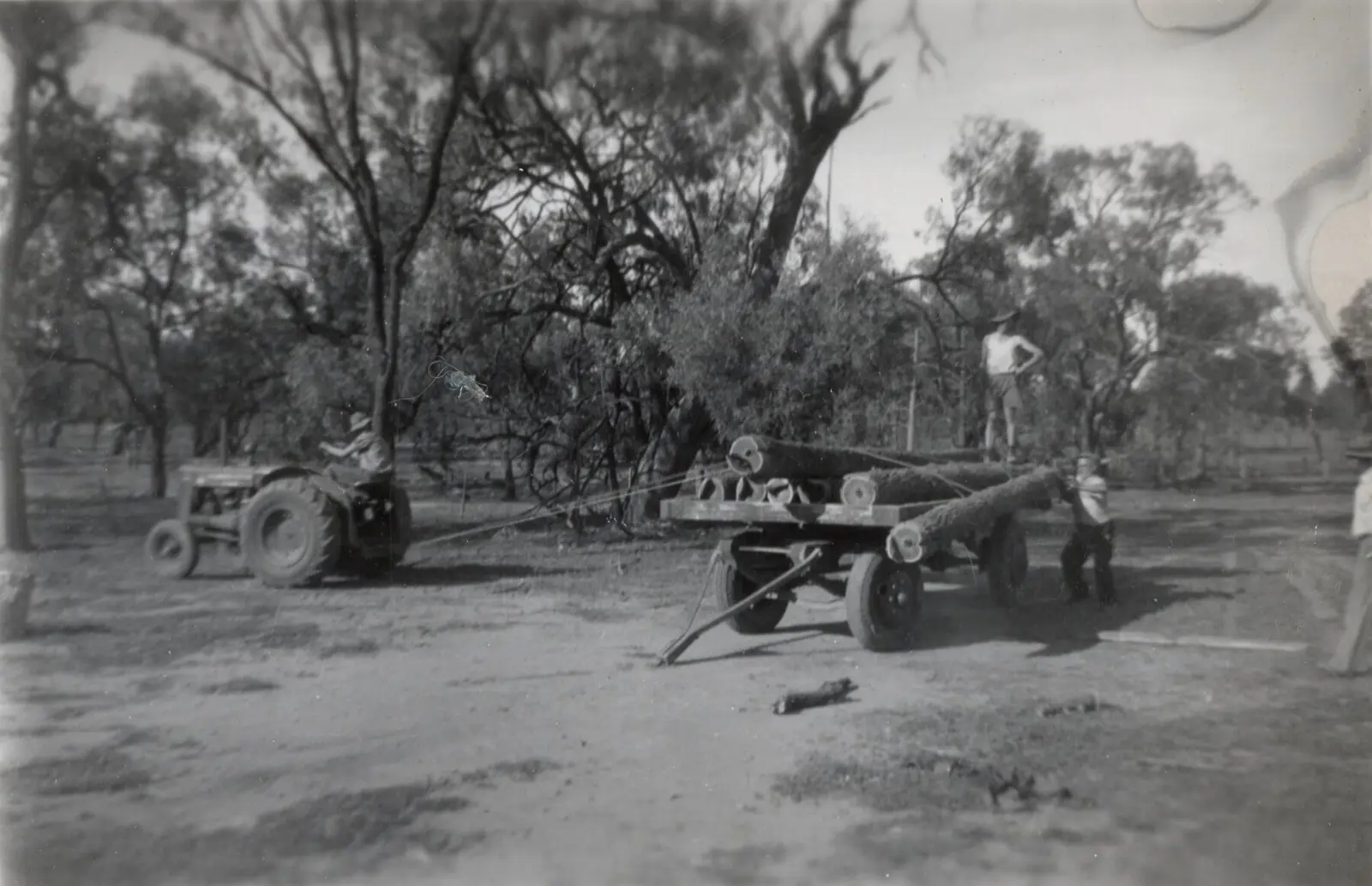
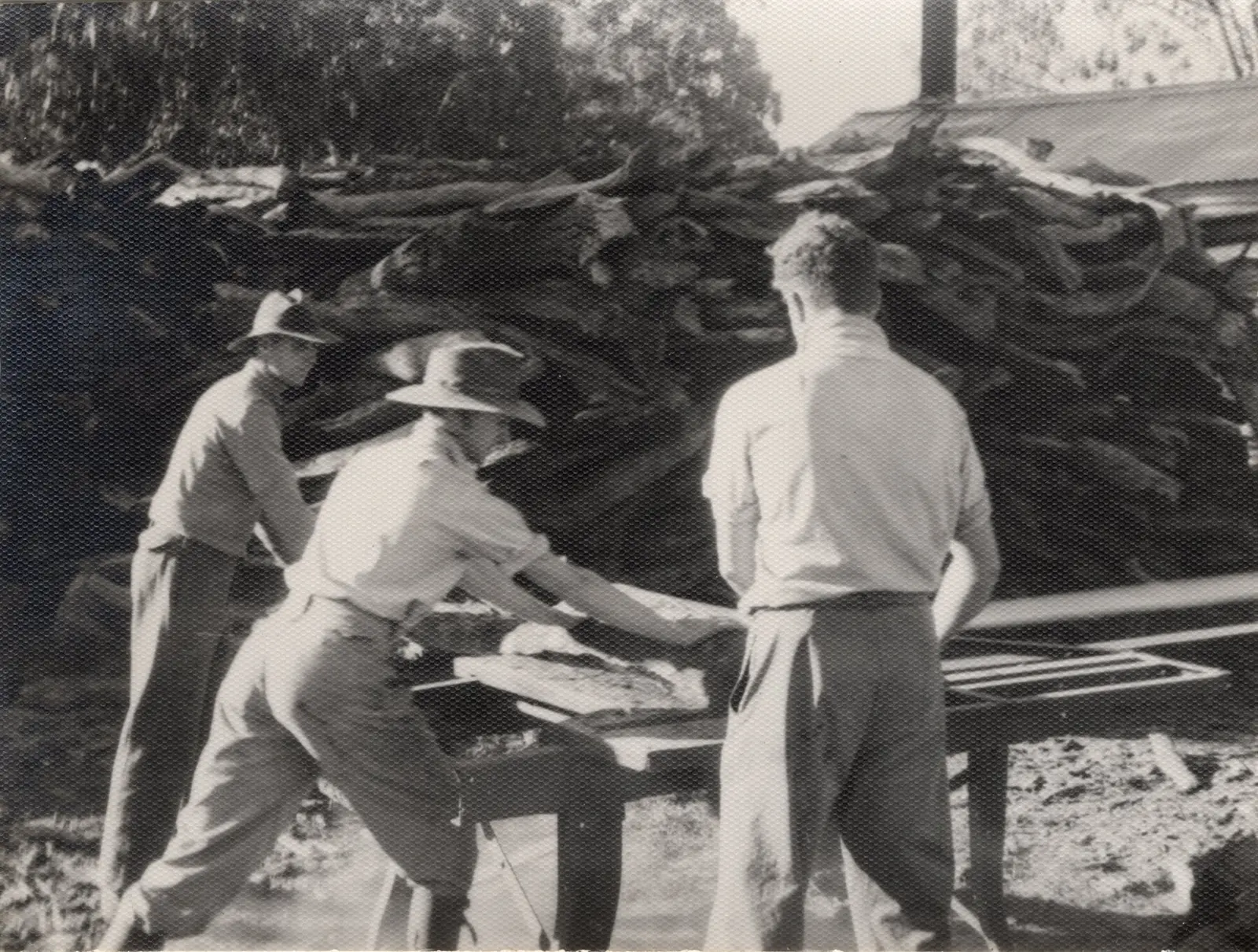
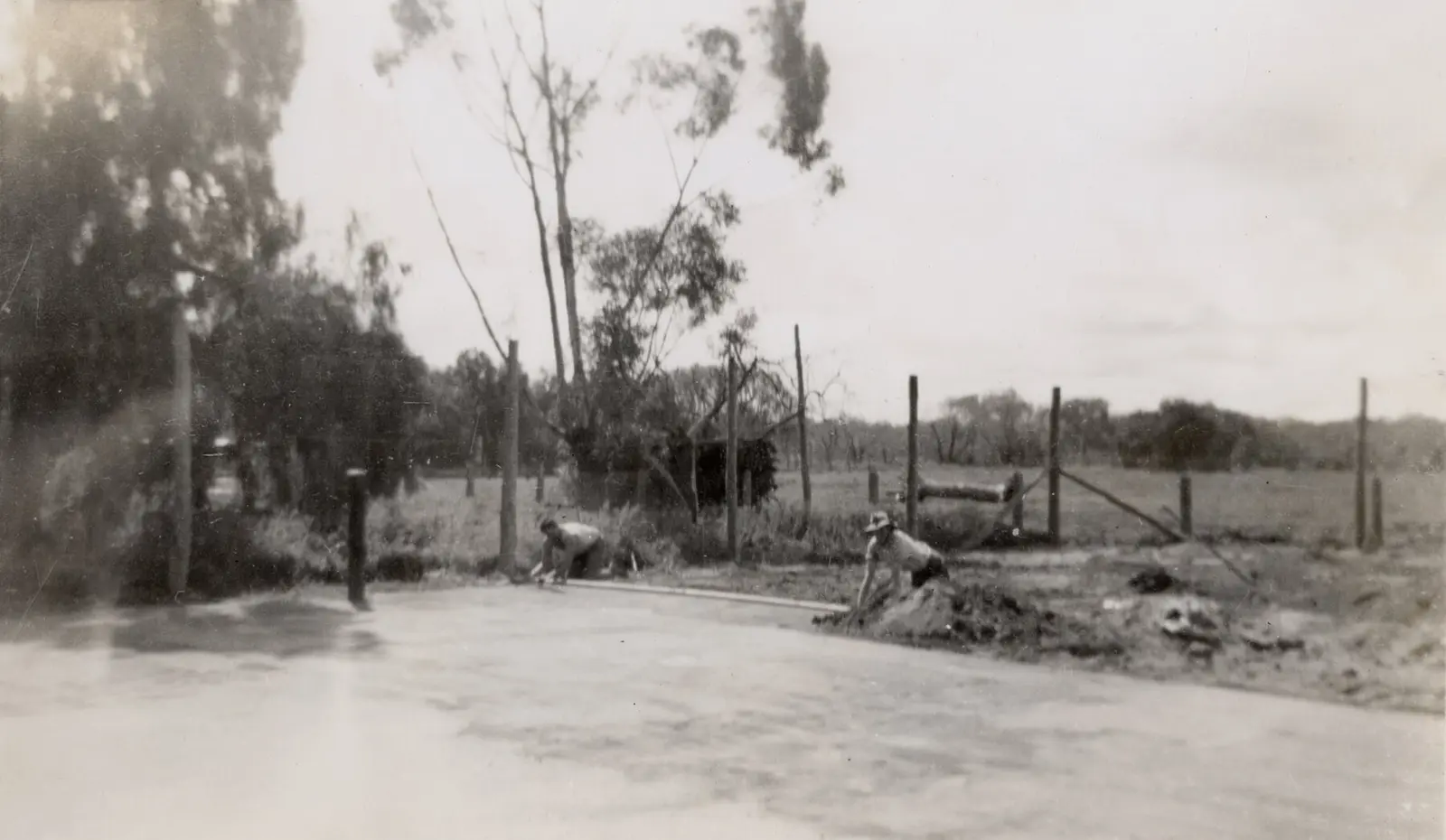
1947–48: Wool Shed, Horses & Timber
14 photos — click any image to browse full gallery