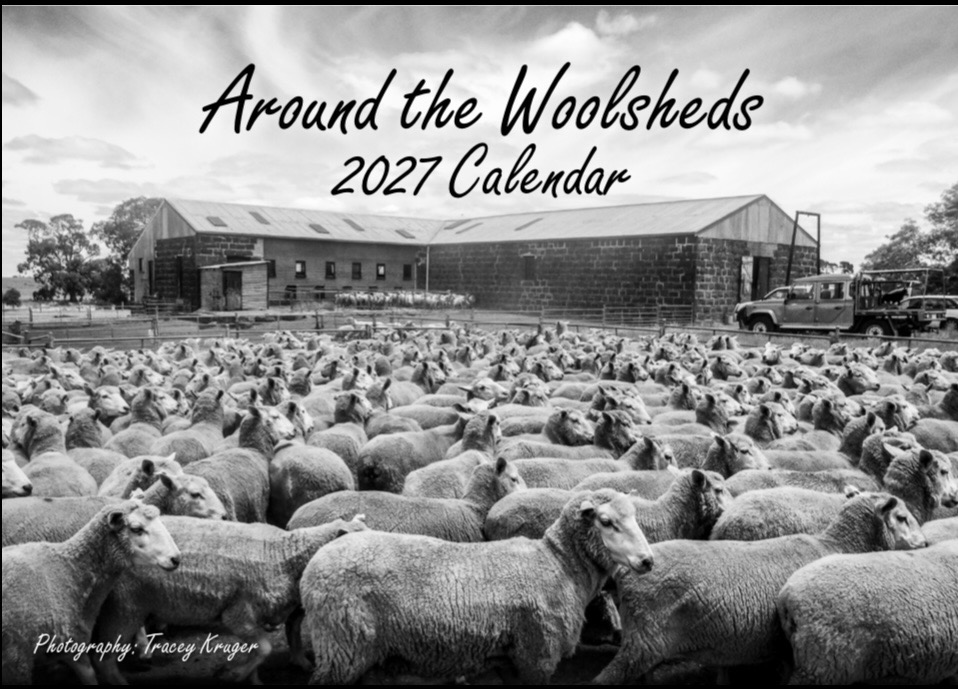
If you have spent any time wandering around the historic precinct or scrolling through old Riverina history, you know that Toganmain Station was an absolute powerhouse in its prime. Covering hundreds of thousands of acres along the Murrumbidgee River, it was a world unto itself.
But have you ever wondered how giant pastoral runs like Toganmain transitioned into the smaller family farms and pastoral blocks that surround us today?
Deep in the local newspaper archives from the late 1890s, historical records reveal that the vibrant farming community around Carrathool, Hay, and Jerilderie owes a huge debt to a fascinating series of events that kicked off right here on the station. Between 1896 and 1899, a high-stakes land swap evolved into one of the wildest “land rushes” the Riverina had ever seen.
1. The Art of the Deal (July 1896)
Before any hopeful selector could claim a piece of land, the property had to be formally freed up by the Crown.
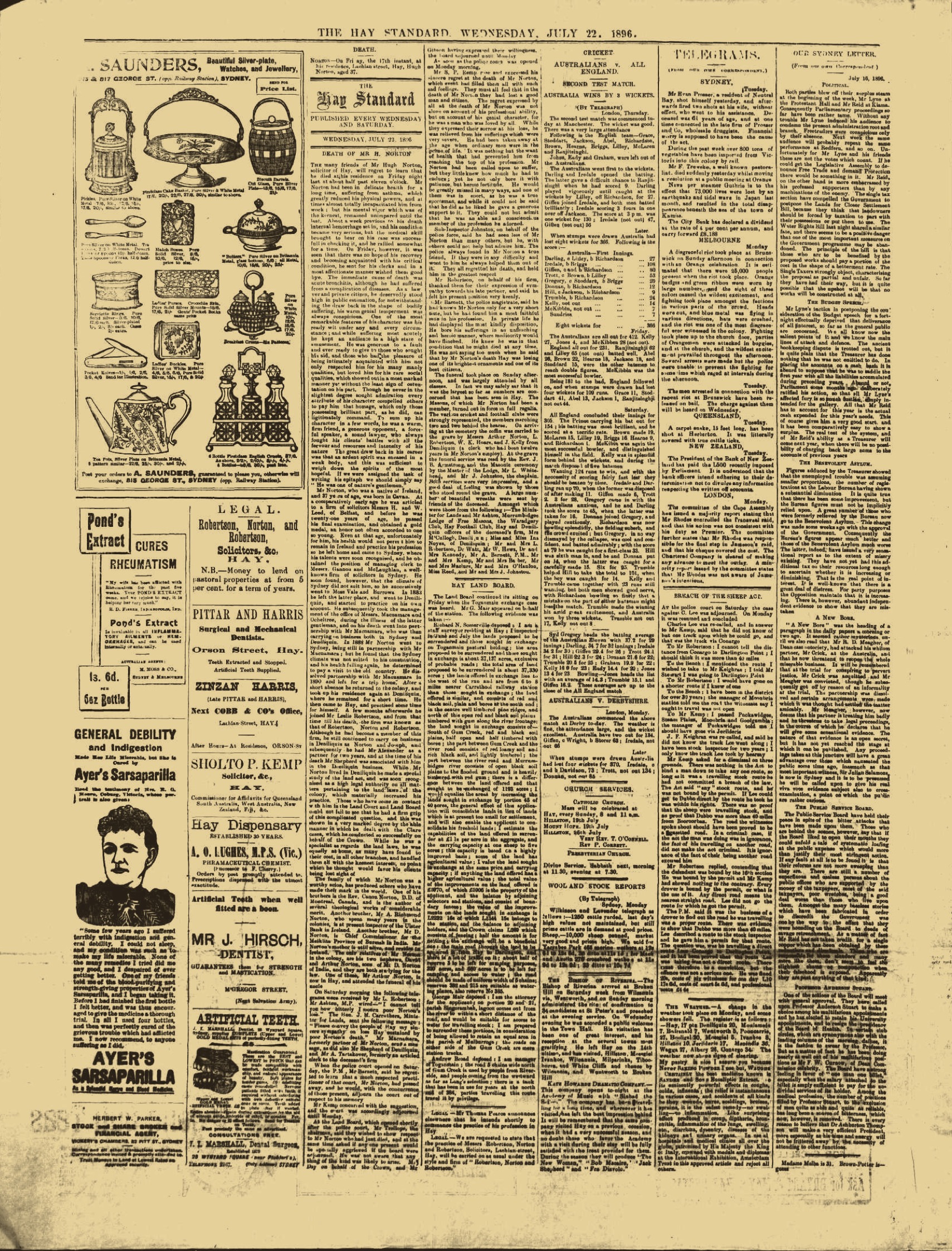
In July 1896, an application by Thomas Robertson was heard by the Hay Land Board, with George Mair appearing on behalf of the station. The evidence stated that the proposed exchange would consolidate land and enable the applicant to consolidate freehold holdings.
To achieve this, the station offered the Crown a trade:
- Land Surrendered: Toganmain would surrender approximately 37,330 acres of station land back to the Crown.
- Land Retained: In exchange, the station would receive about 37,137 acres elsewhere on the holding to consolidate its boundaries.
This was no simple rubber-stamp transaction. Staff Surveyor Richard N. Somerville, station attorney George Mair, and station manager Andrew Broad all provided detailed testimony before the Board.
They mapped out:
- Soil Types: Red loams, rich black soil plains, and boree country.
- Timber Coverage: Dense pine ridges in the centre and majestic river red gums along the riverfront.
- Carrying Capacity: Formally estimated at one sheep to five acres on a highly improved basis.
The Land Board found that the exchange would be in the public interest if specified modifications were made. The Board recommended conditions concerning a five-chain frontage road, camping places and access to water for travelling stock.
With that decision, thousands of acres of Toganmain land were identified for surrender to the Crown — setting the stage for public settlement.
2. Land Rush Fever Hits Hay (November 1898)
Fast forward to November 10, 1898. The surrendered Toganmain lands were officially thrown open for public selection at the Hay Lands Office.
The response was overwhelming. Farmers, selectors, and land-seekers poured into Hay from every corner of the Riverina, with some travelling from as far as Victoria.
By 10:00 AM, an animated crowd had gathered on the portico outside the land office. To maintain order and fairness, the Land Agent executed a strict procedure:
- Punctually at 10:00 AM, the front doors were opened, and applicants were ushered through the building into the rear courtyard. The back doors were then locked to exclude latecomers.
- Applicants walked single-file through the clerks’ office to hand in their paperwork.
- By 10:12 AM, the applications from those admitted at the opening had been lodged. They were then checked and listed for ballot in the board room.
Settlement Leases vs. Homestead Selections
The land was offered under two distinct tenure types, and public interest could not have been more divided:
- Settlement Leases (The Hot Ticket): These were large pastoral blocks ranging from 1,420 to 2,722 acres, averaging over 2,000 acres. Selectors went crazy for them. A total of 61 individual applicants lodged 418 total applications for just 13 available leases, handing over £2,500 in cash deposits.
- Homestead Selections (Underwhelming Interest): The Crown also set aside 12 smaller blocks ranging from 127 to 333 acres. However, local farmers turned their noses up at them, viewing the small acreage as “altogether inadequate” to support a family. Only 9 people applied, leaving 7 of the 12 blocks completely unallotted.
Historical Note — A £900 Typo!
A hilarious incident occurred with a 2,203-acre block named “Riverside.” The official Government Gazette accidentally misprinted the value of the block’s fencing improvements as £945 instead of the actual £94 5s.
It was reported that some prospective applicants abstained from the block because the published fencing value appeared far higher than it should have been. Local newspapers reported that the clerk responsible was being “blessed over and over again” by frustrated selectors!
3. Drama Before the Land Board (Late November 1898)
Winning a land ballot drawing was only the first step. Winners still had to appear before the Land Board later that month to prove their eligibility and defend their claims.
The 16-Year-Old Selector
Ernest R. Eyles, aged sixteen years and nine months, won the ballot for a 333-acre homestead selection. When questioned by the Chairman, Ernest testified that he lived in Carrathool, understood the requirement for continuous residence, and intended to live on the land. He said that his parents would not live with him. The Board confirmed his application.
The Heartbreak of Being Late
James Whiteside drew the winning ballot for a 2,110-acre settlement lease in the Parish of Elginbah. Whiteside’s application had been lodged nine minutes late. Although it was initially included in the ballot, the Board later decided that he should not have been included and disallowed the application.
4. Round Two: Toganmain & Burrabogie (April 1899)
Demand for land in the district remained strong.
On April 27, 1899, the Crown released another allocation of surrendered land, combining blocks from both Toganmain and neighbouring Burrabogie holdings.
There were 15 different applicants for the leases and a similar number for the selections, with some names appearing in both lists. They competed for two settlement leases and three homestead selections.
Settlement Lease Results
- John Arnold won Portions 51, 56, and 92 in the Parish of Elginbah, comprising 2,069½ acres.
- Archibald Stewart won Portion 60 in Elginbah, comprising 2,040 acres.
Homestead Selection Results
- John Cattanach secured Portion 73 in the Parish of Mulburruga, comprising 1,280 acres.
- Thomas Lang secured Portion 72 in Mulburruga, comprising 1,197 acres.
- Sarah Mary Judd was first in the ballot for Portion 74, comprising 267 acres, with Richard Moore second. The portion had river frontage along the Murrumbidgee.
Why This History Matters Today
When visiting or supporting the Toganmain Woolshed, it is easy to picture the shearers, wool classers, and massive wool clips moving through the historic board.
But Toganmain’s heritage is not limited to the timber frame of the woolshed itself — it encompasses the entire surrounding landscape.
The 1896 land exchange and the 1898–1899 land rushes fundamentally reshaped the Riverina, establishing generation after generation of local farming families whose descendants still live, work, and care for this land today.
Preserving Our Heritage
Do you have a family connection to any of the 1898–1899 land selectors, such as the Arnolds, Cattanachs, Pethers, Campbells, or Judds?
We would love to hear your story and add it to our historical archives.